
Stainless Thin Section Bearings for Compact Designs Overview
Compare representative CXE Bearing products by dimensions, material, and seal type. Use the left navigation to switch collections without returning to the catalog home.
Products In This Collection
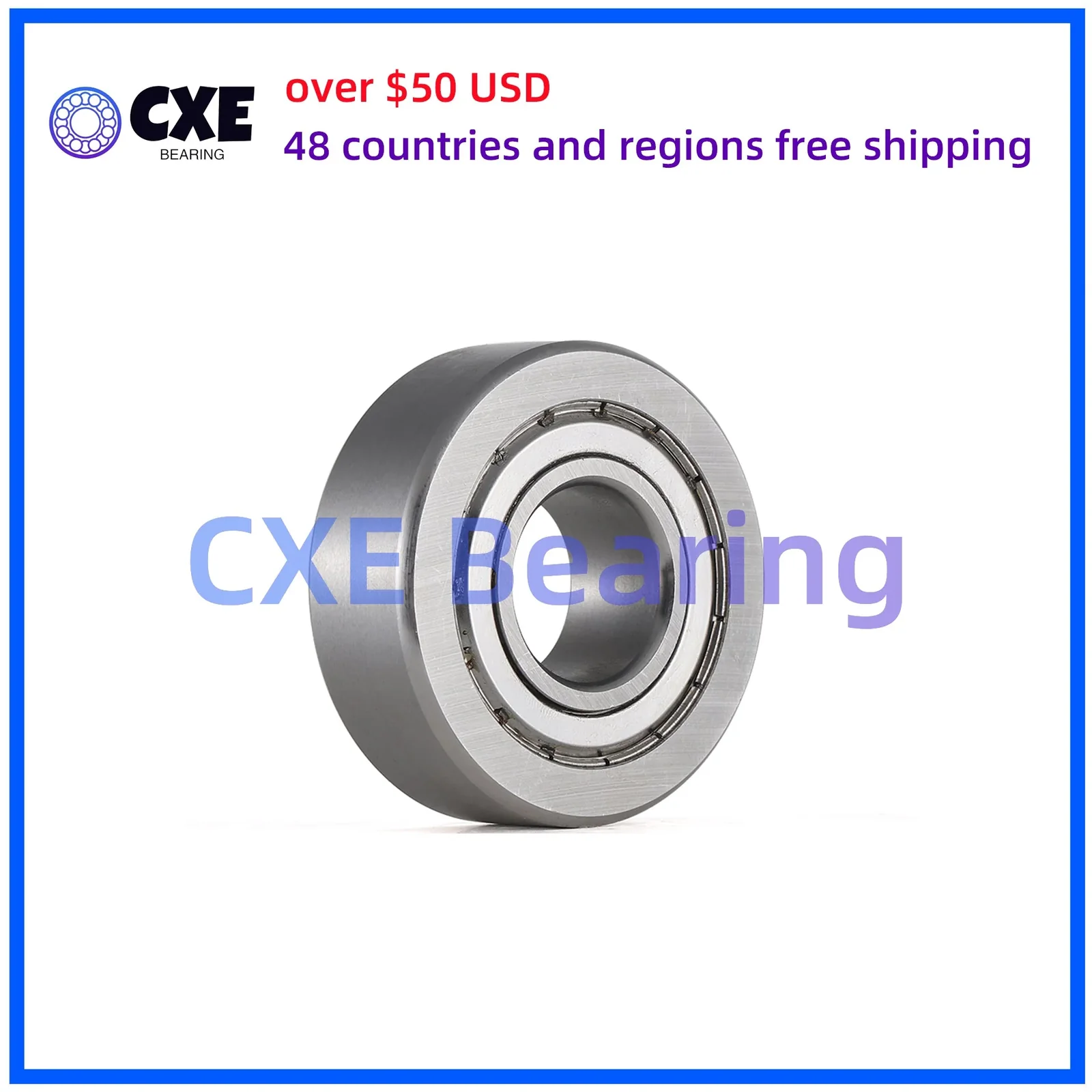
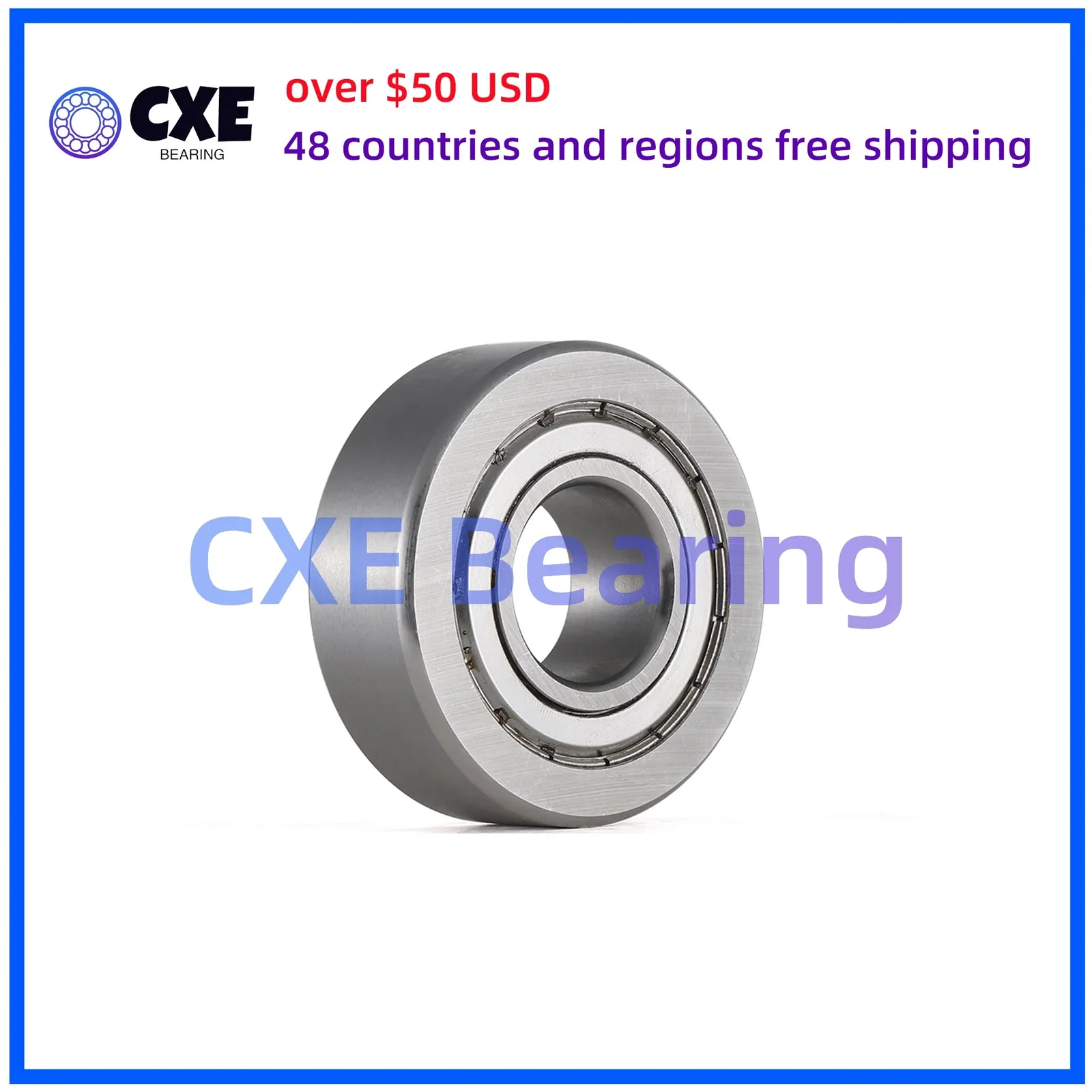
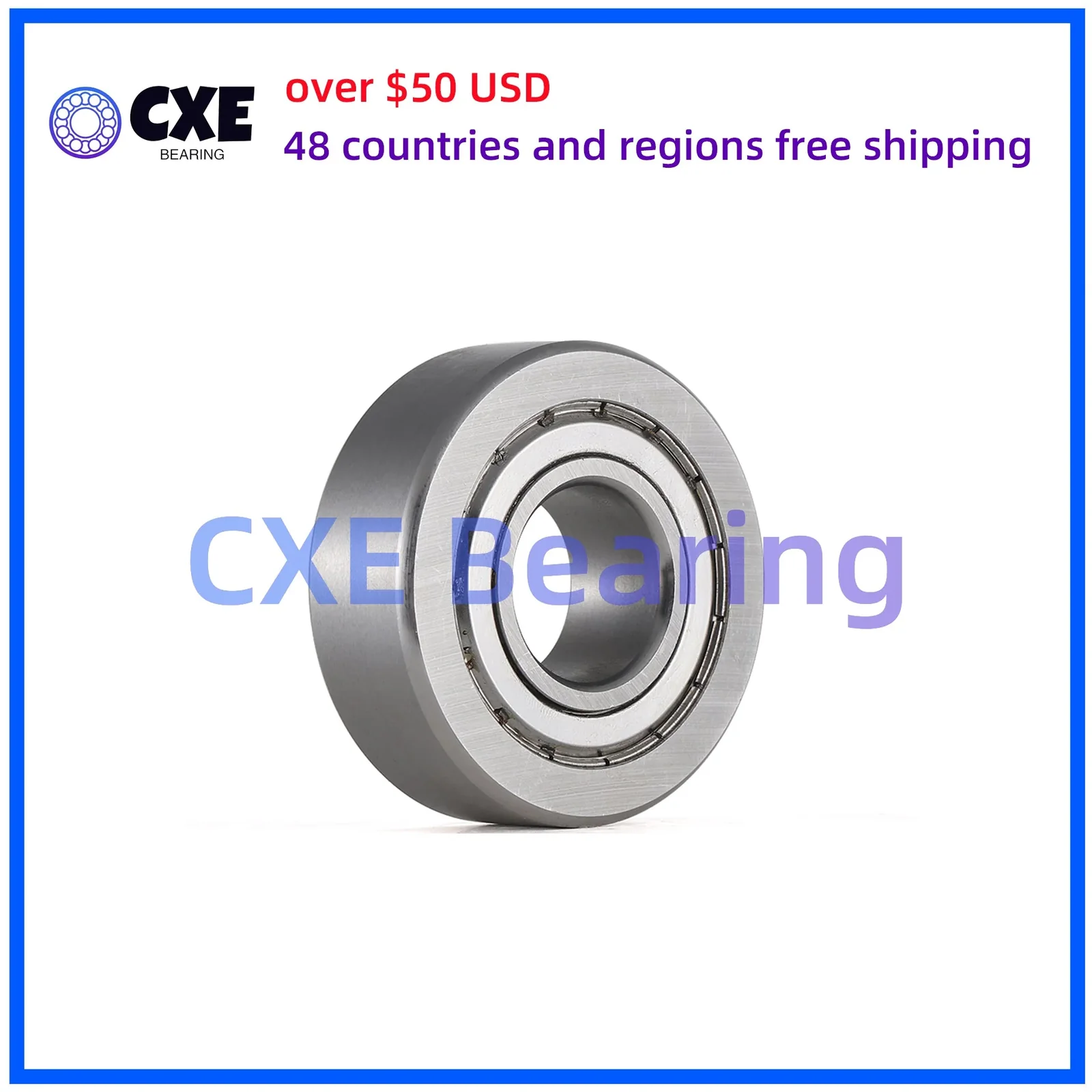
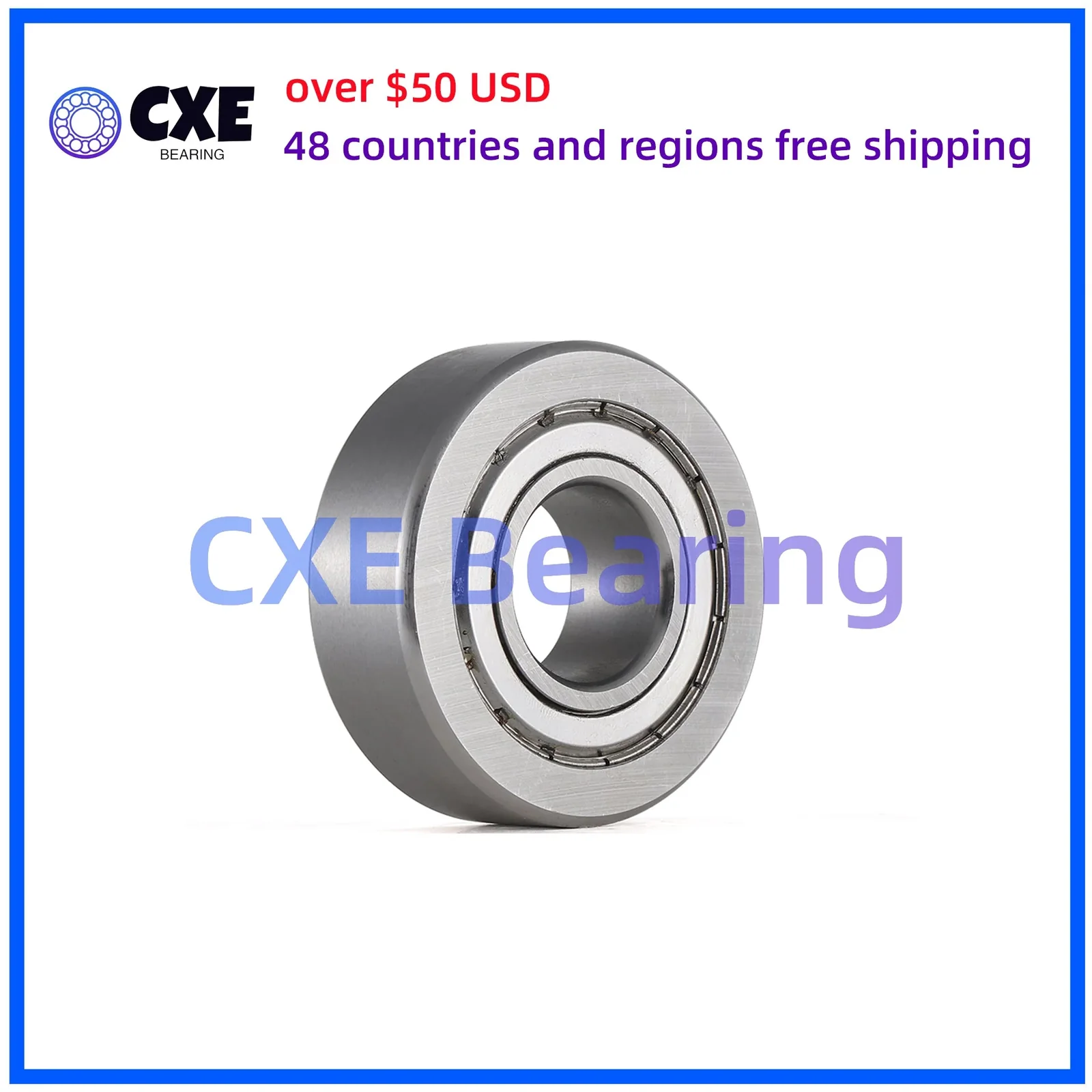
Browse all matching CXE Bearing products in this collection. Each row shows dimensions, material, seal type, public reference price, and the fastest RFQ path.
1-22 / 22 products
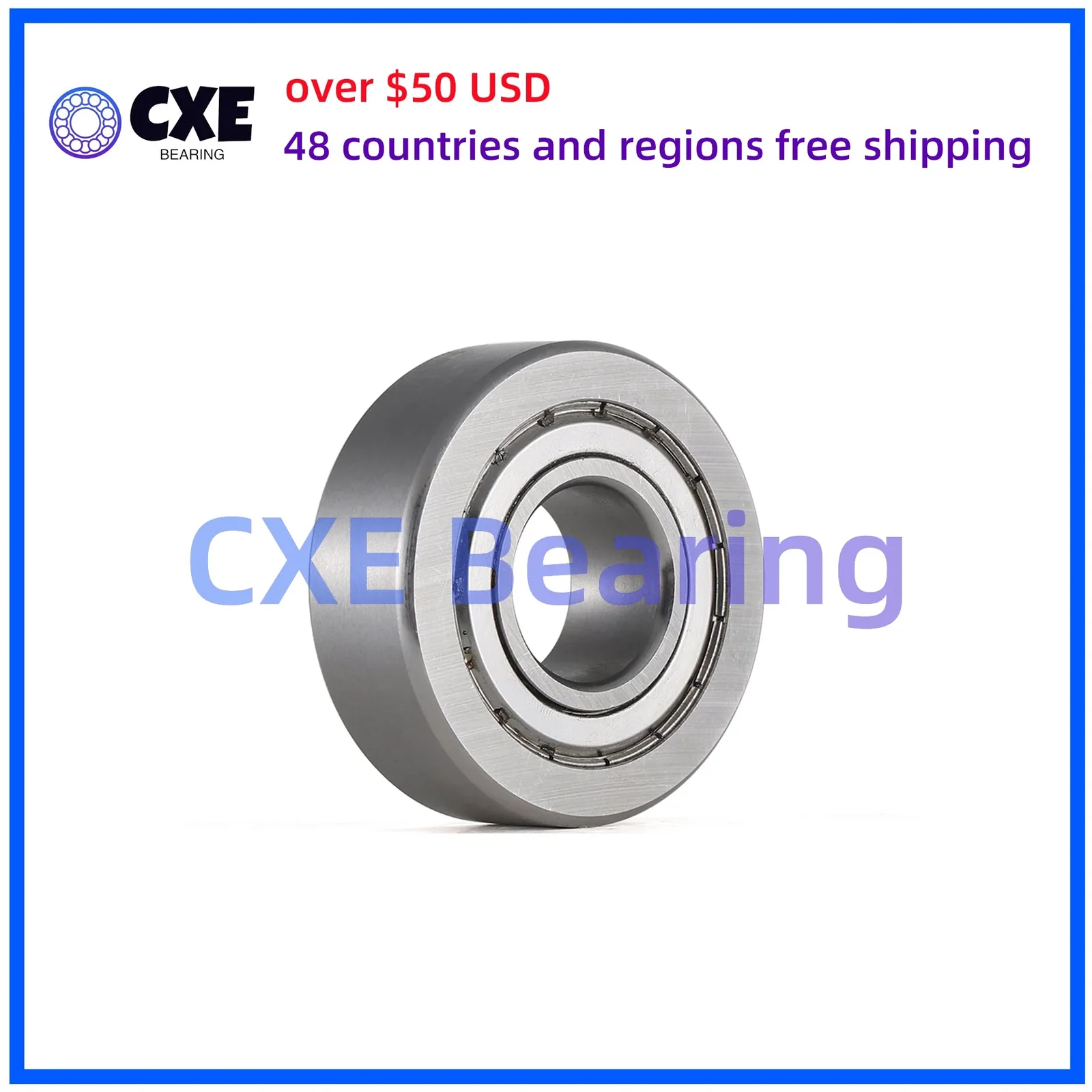
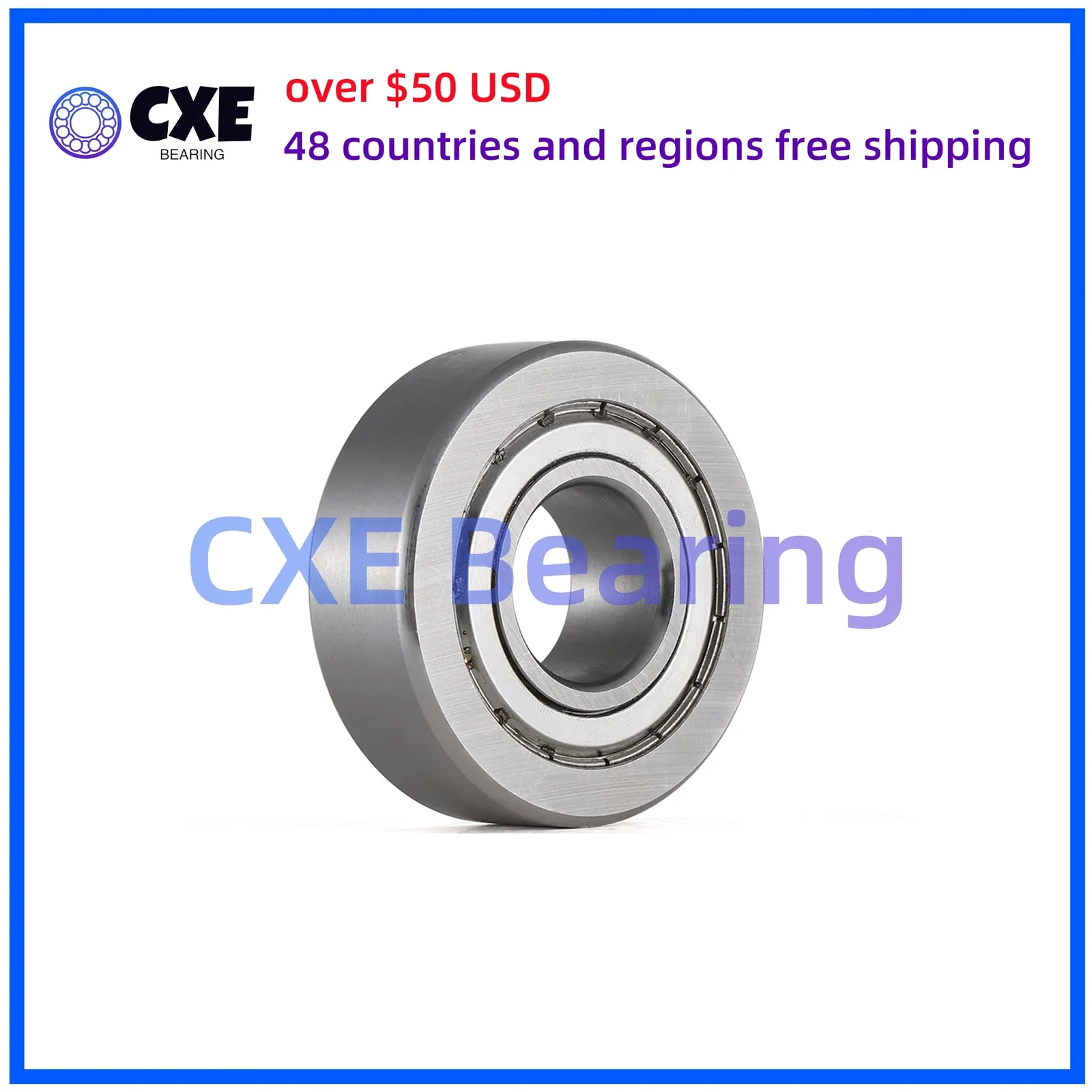
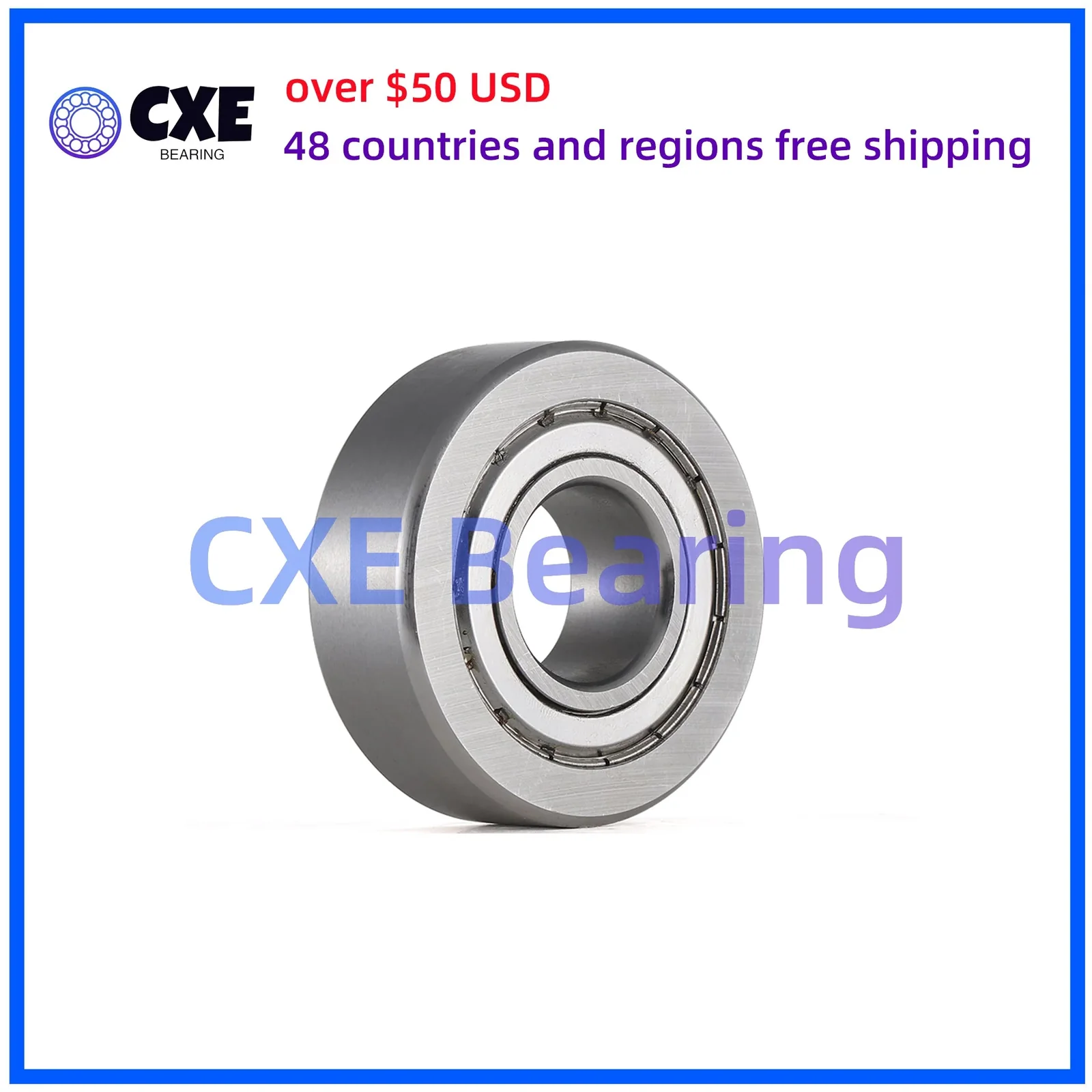
Related Collection Types
Technical Guide Materials, applications, selection notes, and internal reference links for this collection.
Stainless thin section bearings are used when a design needs a large bore, a compact cross section, and better corrosion resistance than standard bearing steel. They are often reviewed for space-limited rotating assemblies where a conventional bearing would add too much radial height or weight.
This collection is for buyers comparing stainless thin wall bearings by bore size, outside diameter, width, contact design, material, closure type, and application environment. If the project is mainly about compact envelope size, compare this page with thin section bearings. If corrosion exposure is the main reason for the search, also review stainless steel bearings and AISI 316 stainless steel bearings.
Stainless thin section bearings can be suitable for robotics, automation systems, instruments, inspection equipment, compact turntables, lightweight positioning mechanisms, and clean industrial machinery. The correct choice still depends on load direction, shaft and housing stiffness, fit, lubrication, speed, and contamination risk.
What Are Stainless Thin Section Bearings?
Stainless thin section bearings are thin wall ball bearings with a constant cross-section design. Unlike standard bearings that increase in width and height as bore size increases, thin section bearings maintain a slim and lightweight profile while supporting larger shaft diameters.
This compact structure helps reduce overall equipment weight and save installation space while still providing smooth rotational accuracy and stable running performance.
Thin section stainless bearings are commonly selected for applications requiring:
- Compact bearing structures
- Lightweight rotating assemblies
- Large bore with small cross section
- High rotational accuracy
- Low friction operation
- Space-saving mechanical designs
- Stable precision motion
Advantages of Stainless Thin Section Bearings
Compact and Lightweight Design
Thin section bearings reduce the weight and size of rotating assemblies. Their slim bearing profile makes them ideal for robotics, semiconductor systems, lightweight automation equipment, and aerospace applications.
Corrosion Resistance
Stainless steel thin section bearings provide improved resistance to moisture, humidity, and mild corrosive environments compared with standard bearing steel. They are suitable for clean industrial systems and precision equipment operating in demanding conditions.
High Rotational Accuracy
Precision thin section bearings are designed for smooth running, low vibration, and stable rotational motion. This makes them suitable for high-accuracy positioning systems and compact precision machinery.
Low Friction Performance
The optimized thin wall design helps reduce rotational resistance and improve efficiency in high-speed and lightweight applications.
Types of Stainless Thin Section Bearings
Radial thin section bearings are designed primarily for radial loads while maintaining compact dimensions and smooth rotational performance.
Angular contact thin section bearings support combined radial and axial loads and are suitable for precision positioning systems and high-speed rotating assemblies.
Four-point contact thin section bearings can support radial, axial, and moment loads simultaneously. These bearings are widely used in robotics, rotary tables, and aerospace systems.
Stainless Steel Material Options
440C Stainless Steel
440C stainless steel thin section bearings offer high hardness, good wear resistance, and reliable precision performance for industrial and automation applications.
316 Stainless Steel
316 stainless steel provides stronger corrosion resistance for humid, marine, and chemical environments where anti-rust performance is important.
Ceramic hybrid thin section bearings combine stainless steel rings with ceramic balls to reduce friction, improve speed capability, and lower vibration levels.
Common Applications
Robotics and Automation
Thin section stainless bearings are widely used in robotic arms, robot joints, compact automation systems, and lightweight positioning mechanisms where reduced weight and compact dimensions are critical.
Medical Equipment
Medical and laboratory equipment often require compact precision bearings with smooth motion, corrosion resistance, and stable running accuracy.
Semiconductor and Optical Equipment
Thin section bearings are commonly used in semiconductor systems, inspection devices, optical instruments, and precision motion platforms requiring stable rotational accuracy.
Aerospace and Precision Machinery
The lightweight structure and compact design of stainless thin section bearings make them suitable for aerospace assemblies, radar systems, and advanced precision equipment.
How to Read the Bearing Dimensions
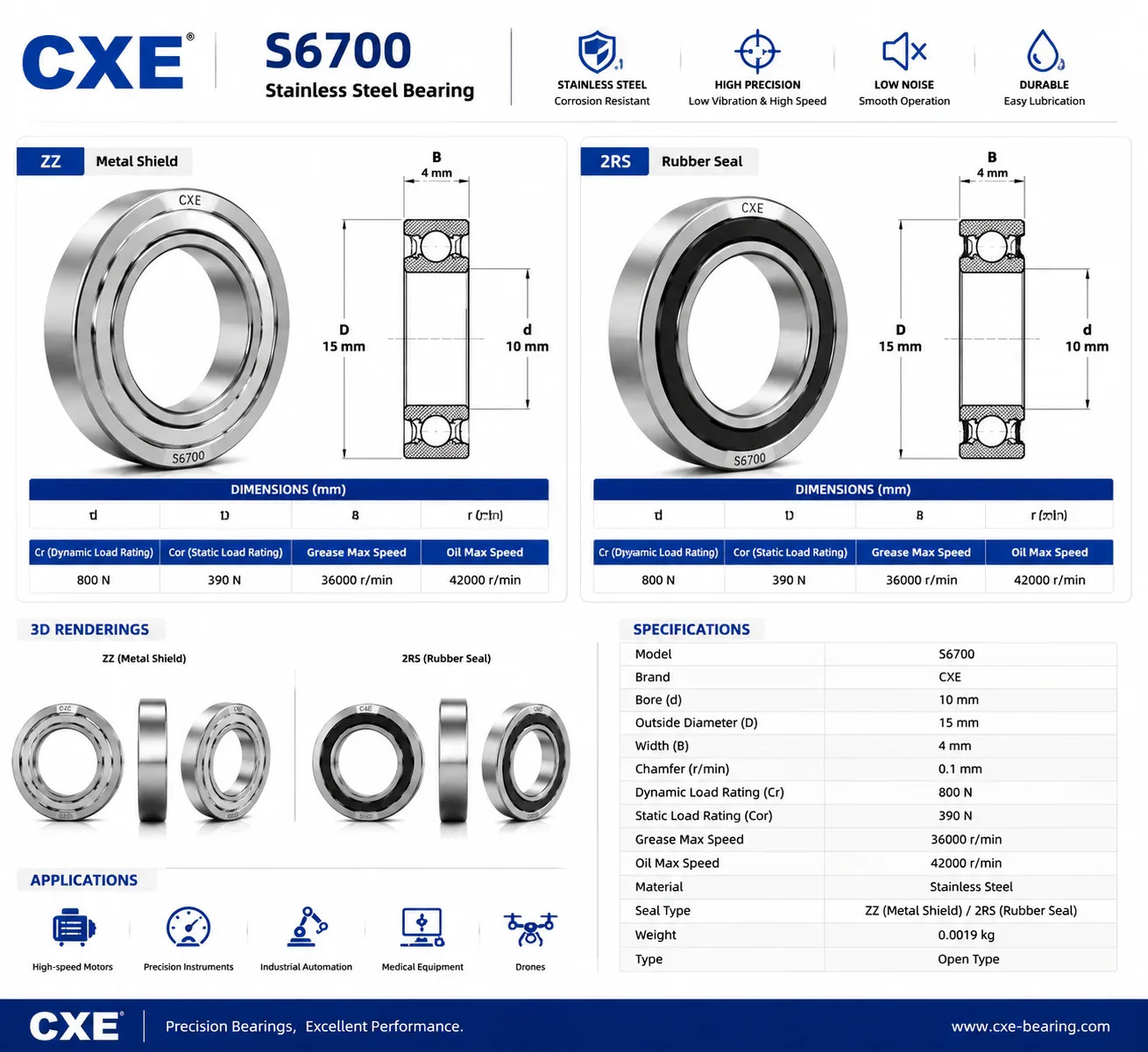
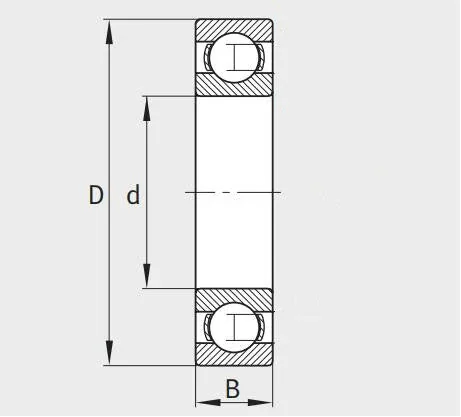
In the size chart above, d refers to the bore diameter, D refers to the outside diameter, and B refers to the bearing width. The ZZ type uses metal shields for lower friction and higher rotational speed, while the 2RS type uses rubber seals for better protection against dust and moisture.
How to Select Stainless Thin Section Bearings
Choose the Correct Bearing Type
Radial thin section bearings are suitable for radial loads, while angular contact and four-point contact bearings are preferred for combined axial and moment load applications.
Select the Proper Material
440C stainless steel is commonly selected for general precision industrial applications. 316 stainless steel is recommended for corrosive or humid environments. Ceramic hybrid designs are suitable for high-speed precision systems.
Consider Installation Space
Thin section bearings are ideal for compact equipment requiring lightweight rotating structures and large shaft diameters within limited installation space.
Confirm Environmental Conditions
For clean environments and higher speed applications, ZZ shielded bearings are commonly used. For dusty or humid environments, 2RS sealed bearings provide improved protection and grease retention.
Related Bearing Types
Related Materials
Frequently Asked Questions
What are stainless thin section bearings used for?
They are commonly used in robotics, medical equipment, semiconductor systems, aerospace assemblies, optical instruments, rotary tables, and compact precision machinery where reduced weight and space-saving designs are important.
What is the difference between thin section bearings and standard ball bearings?
Thin section bearings use a much thinner cross-section while maintaining larger bore sizes. This allows for compact and lightweight mechanical designs without sacrificing rotational accuracy.
Why choose stainless steel thin section bearings?
Stainless steel thin section bearings provide improved corrosion resistance and are suitable for clean, humid, and precision industrial environments.
Can thin section bearings support axial loads?
Yes. Angular contact and four-point contact thin section bearings can support axial loads and moment loads in addition to radial loads.
Are stainless thin section bearings suitable for robotics?
Yes. Their lightweight structure, compact dimensions, and smooth rotational performance make them widely used in robotic arms and precision automation systems.
RFQ Checklist for Stainless Thin Section Bearings
For a practical review, include the bearing number, bore, outside diameter, width, preferred stainless material, contact design, seal or shield requirement, operating environment, speed range, load direction, and available installation space. If the bearing is part of a robot joint, compact turntable, or instrument, photos of the mounted position help confirm whether the limiting issue is cross section, corrosion exposure, or replacement envelope.
Do not reduce bearing section size only to save space without checking shaft support, housing stiffness, moment load, and mounting accuracy. A smaller cross section can be useful, but it should not be treated as a universal replacement for a standard bearing family.