Stainless Miniature Ball Bearings for Small Equipment Overview
Compare representative CXE Bearing products by dimensions, material, and seal type. Use the left navigation to switch collections without returning to the catalog home.
Products In This Collection
Browse all matching CXE Bearing products in this collection. Each row shows dimensions, material, seal type, public reference price, and the fastest RFQ path.
1-11 / 11 products
| Image | Product | Bore | OD | Width | Material | Seal | Reference Price | RFQ |
|---|---|---|---|---|---|---|---|---|
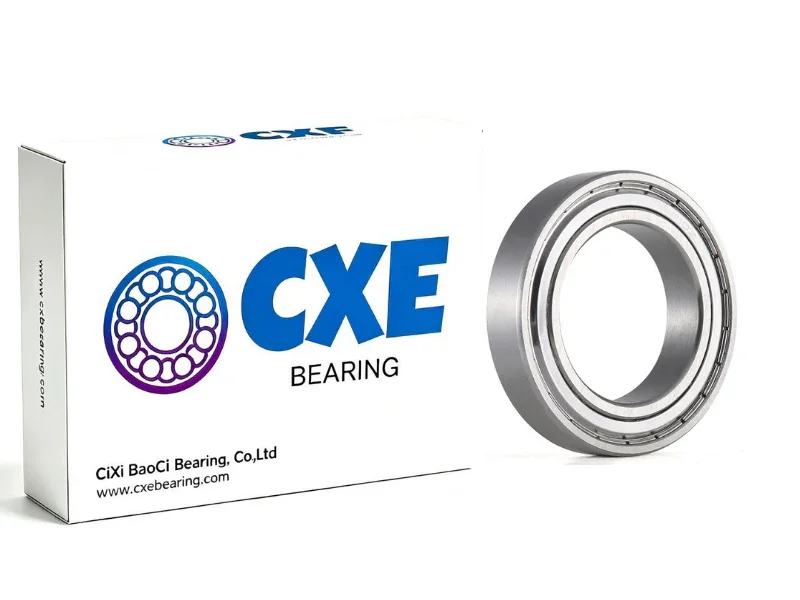 | S695ZZ 5 x 13 x 4 mm Stainless Steel Bearings | 5 mm | 13 mm | 4 mm | Stainless Steel | ZZ | Reference
US$ 0.17
AISI 420 | RFQ |
| S685ZZ 5 x 11 x 5 mm Stainless Steel Bearings | 5 mm | 11 mm | 5 mm | Stainless Steel | ZZ | Reference
US$ 0.20
AISI 420 | RFQ |
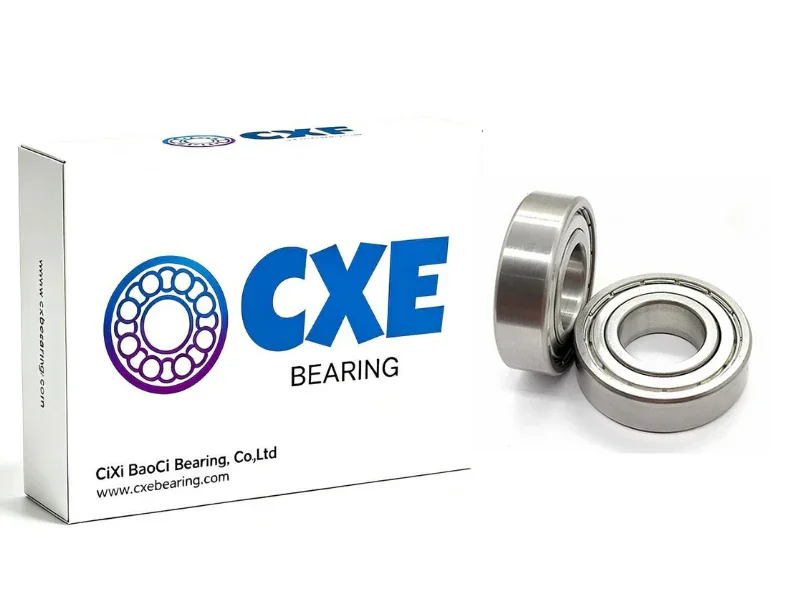 | S686ZZ 6 x 13 x 5 mm Stainless Steel Bearings | 6 mm | 13 mm | 5 mm | Stainless Steel | ZZ | On request | RFQ |
| S606ZZ 6 x 17 x 6 mm Stainless Steel Bearings | 6 mm | 17 mm | 6 mm | Stainless Steel | ZZ | On request | RFQ |
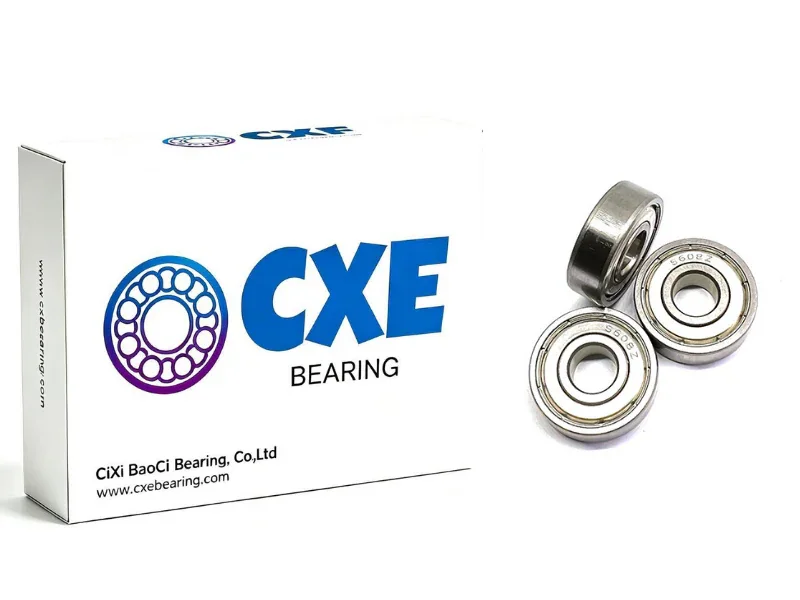 | S687ZZ 7 x 14 x 5 mm Stainless Steel Bearings | 7 mm | 14 mm | 5 mm | Stainless Steel | ZZ | On request | RFQ |
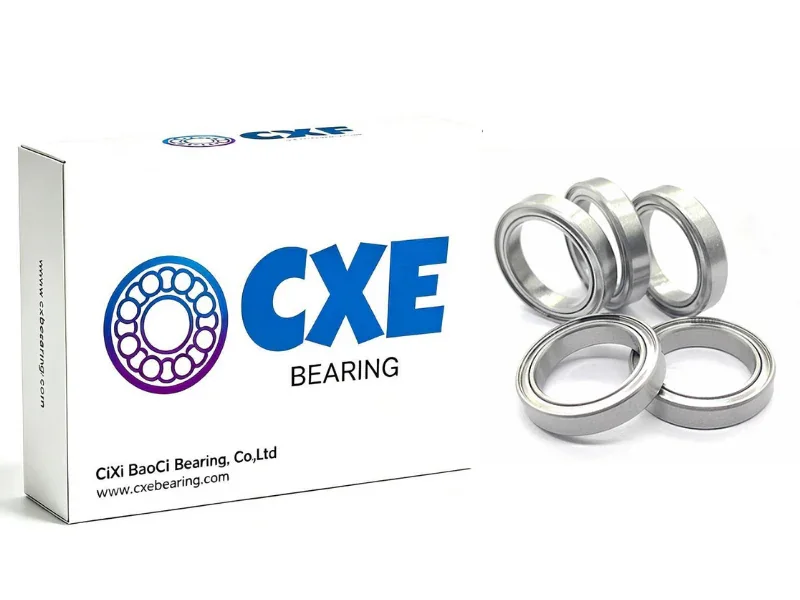 | S688ZZ 8 x 16 x 5 mm Stainless Steel Bearings | 8 mm | 16 mm | 5 mm | Stainless Steel | ZZ | Reference
US$ 0.17
AISI 420 | RFQ |
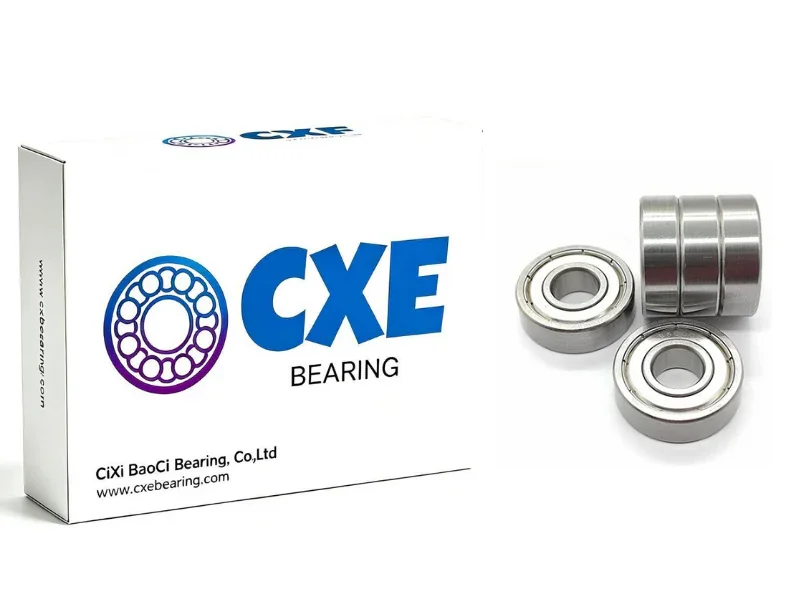 | S605ZZ 5 x 14 x 5 mm Stainless Steel Bearings | 5 mm | 14 mm | 5 mm | Stainless Steel | ZZ | On request | RFQ |
| S608ZZ 8 x 22 x 7 mm Stainless Steel Bearings | 8 mm | 22 mm | 7 mm | Stainless Steel | ZZ | On request | RFQ |
| S684ZZ – 4 x 9 x 4 mm Stainless Steel Bearing | 4 mm | 9 mm | 4 mm | Stainless Steel | ZZ | Reference
US$ 0.17
AISI 420 | RFQ |
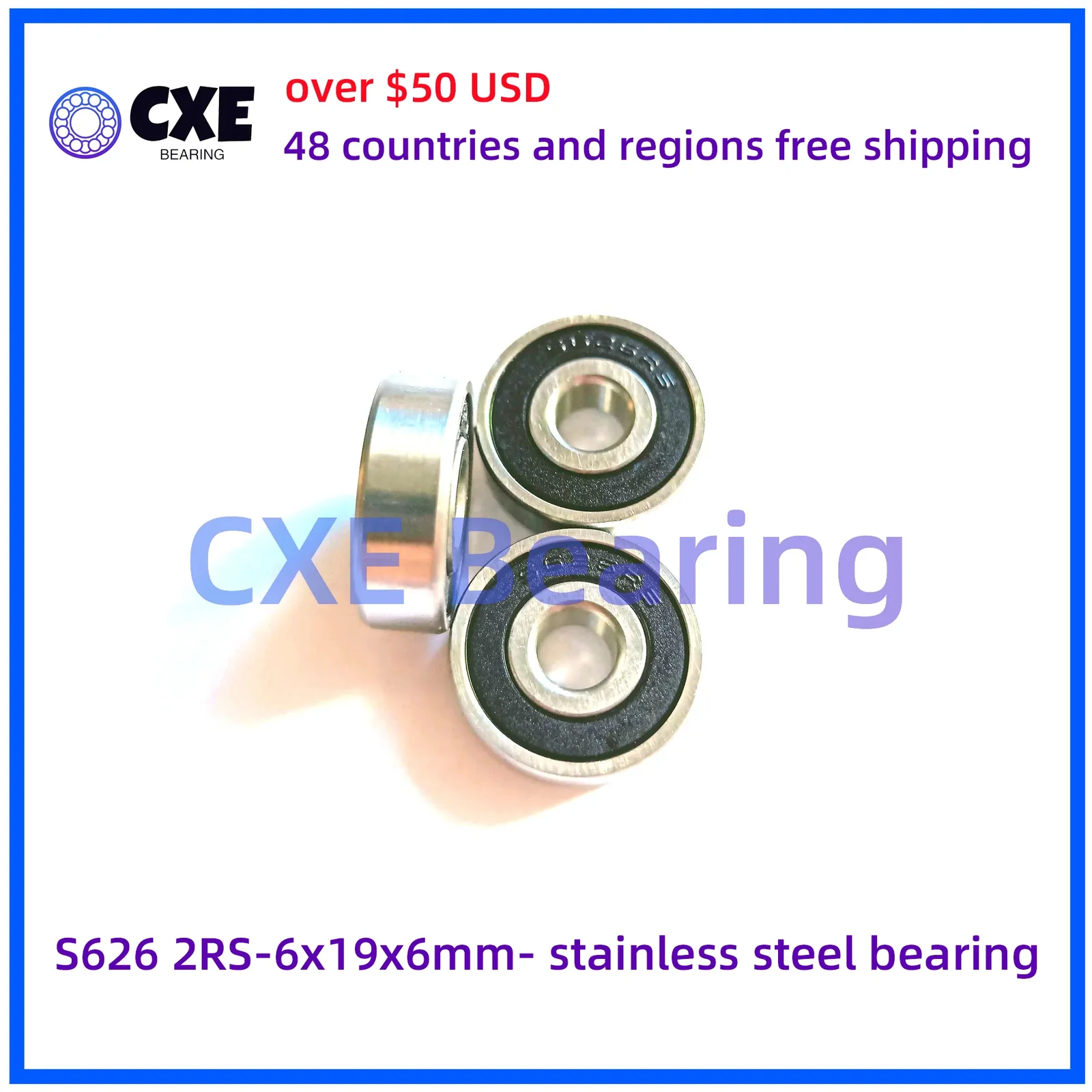 | S626-2RS 6 x 19 x 6 mm Ball Bearing | 6 mm | 19 mm | 6 mm | Stainless Steel | 2RS | On request | RFQ |
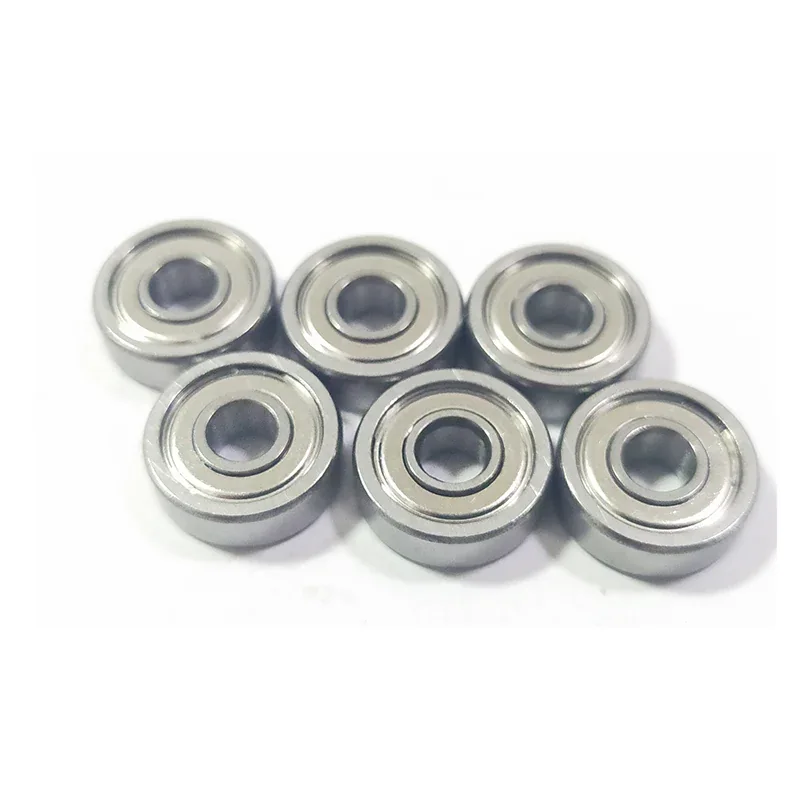 | S604-ZZ 4 x 12 x 4 mm Ball Bearing | 4 mm | 12 mm | 4 mm | Stainless Steel | ZZ | On request | RFQ |
Related Collection Types
Technical Guide Materials, applications, selection notes, and internal reference links for this collection.
Stainless miniature ball bearings are used when a small shaft or compact assembly needs smoother rotation with better rust resistance than ordinary bearing steel. Buyers usually review this category for instruments, small motors, sensors, guide rollers, laboratory devices, compact pumps, medical equipment, and food-related mechanisms where size, corrosion exposure, and running noise all matter.
For small assemblies, the bearing number alone is often not enough. A miniature bearing can be sensitive to bore size, outside diameter, width, seal drag, shaft fit, housing support, lubricant condition, and contamination. CXE Bearing can compare this category with miniature bearings, stainless steel bearings, stainless flange ball bearings, and ceramic bearings when the same project may have several material paths.
Where Stainless Miniature Bearings Fit
Stainless miniature ball bearings are often selected for compact mechanisms exposed to humidity, light washdown, condensation, or clean production environments. They are also useful where bearing appearance, rust prevention, and smoother small-shaft rotation are part of the buyer’s requirement.
Common review scenarios include:
- Small motors, fans, encoders, and miniature gearboxes.
- Measuring instruments, optical devices, laboratory fixtures, and sensors.
- Guide wheels, miniature pulleys, small rollers, and compact automation modules.
- Light-duty food-related or clean equipment where corrosion risk is present.
- Medical or dental devices where the buyer needs small size and controlled material selection.
How to Choose the Right Size and Seal
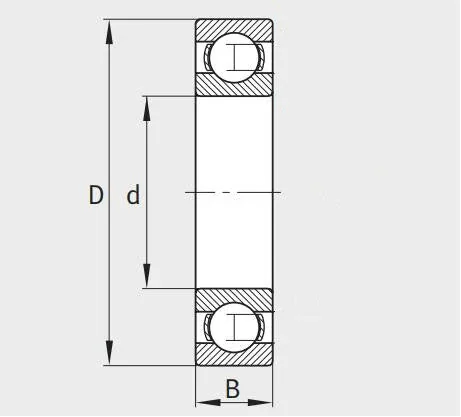
Start with bore size, outside diameter, and width. In miniature bearings, a small measurement error can change fit, noise, friction, or shaft support. If the bearing is flanged, also confirm flange outside diameter and flange thickness. If the old bearing has a suffix such as ZZ or 2RS, include that suffix in the RFQ because it affects friction, sealing, and contamination protection.
ZZ shields are often reviewed when lower drag is more important than contact sealing. 2RS seals are considered when dust, moisture, or light contamination is a bigger concern. In very small motors or instruments, seal drag can matter, so the operating speed and torque sensitivity should be described before switching from shielded to sealed.
Material and Environment Notes
Stainless miniature bearings may use different stainless grades depending on hardness, corrosion exposure, and application duty. If rust was the reason for replacement, describe the exposure: humid storage, water spray, cleaning fluid, food residue, salt mist, or outdoor condensation. That information helps decide whether a standard stainless miniature bearing is enough or whether another material route should be reviewed.
For extremely low load or non-metallic needs, plastic ball bearings may also be considered. For speed, electrical insulation, or special corrosion requirements, a ceramic or hybrid ceramic route may be worth reviewing. The final selection should still be based on the actual bearing size, fit, and operating condition.
Common Buying Mistakes
- Ordering by bore size only and missing width or flange dimensions.
- Replacing ZZ with 2RS without checking seal drag in a small motor.
- Treating every stainless miniature bearing as suitable for aggressive chemicals.
- Ignoring shaft wear, housing looseness, or installation damage from the old assembly.
- Asking for a precision miniature bearing without describing noise, speed, or inspection requirements.
RFQ Checklist
For a stainless miniature bearing RFQ, send the model number, bore x outside diameter x width, flange dimensions if present, seal or shield type, material preference, quantity, operating environment, speed range, and photos of the bearing marking. If the bearing is used in an instrument, motor, pulley, or guide roller, include a photo of the full assembly so the mounting condition is clear.