
Single Row Angular Contact Ball Bearings in GCR15 Overview
Compare representative CXE Bearing products by dimensions, material, and seal type. Use the left navigation to switch collections without returning to the catalog home.
Products In This Collection
Browse all matching CXE Bearing products in this collection. Each row shows dimensions, material, seal type, public reference price, and the fastest RFQ path.
1-37 / 37 products
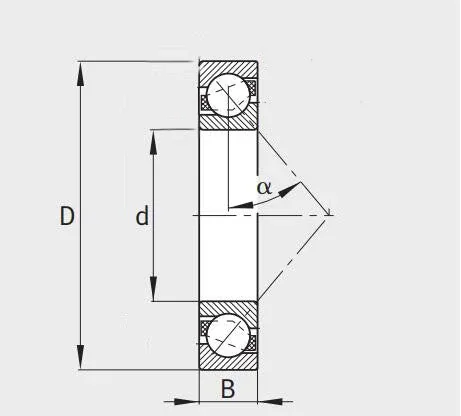
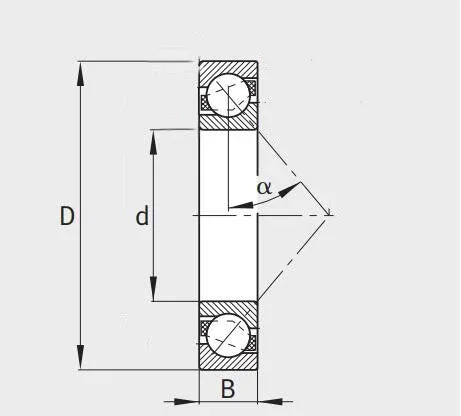
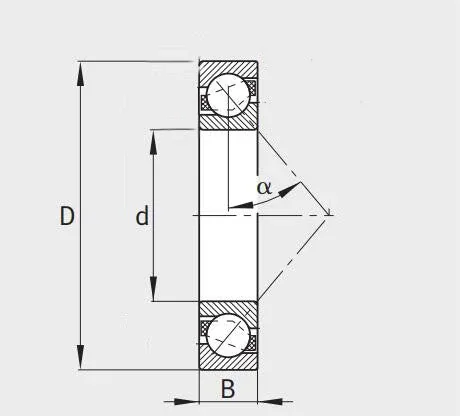
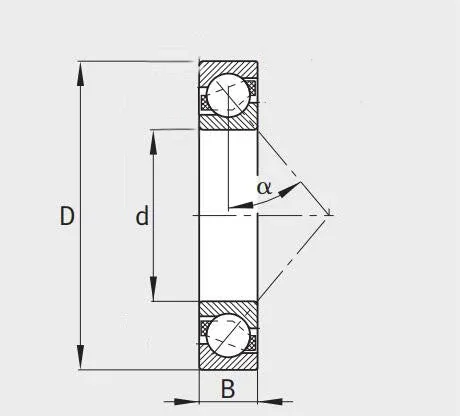
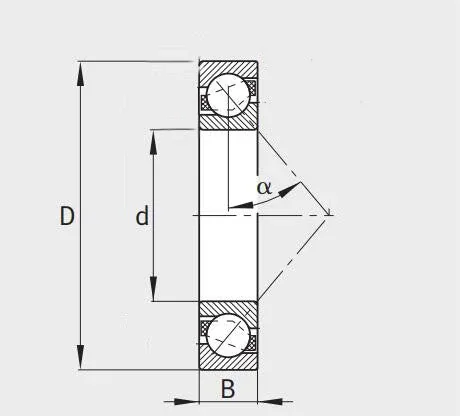
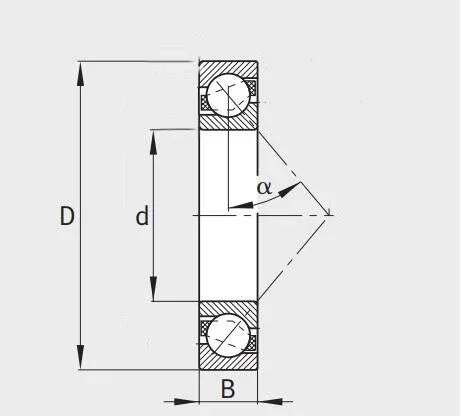
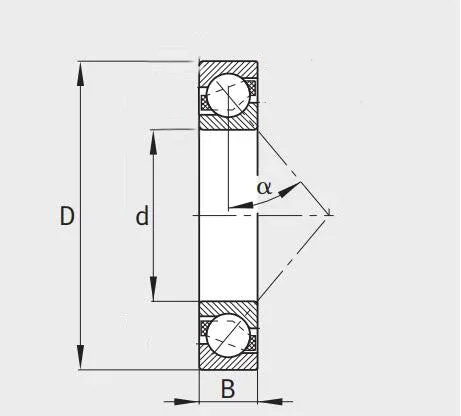
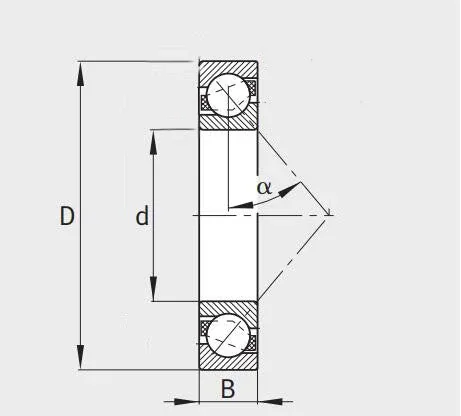
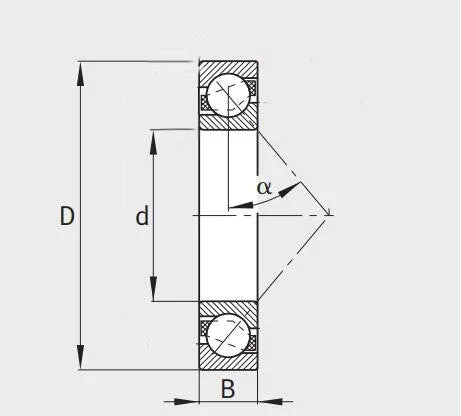
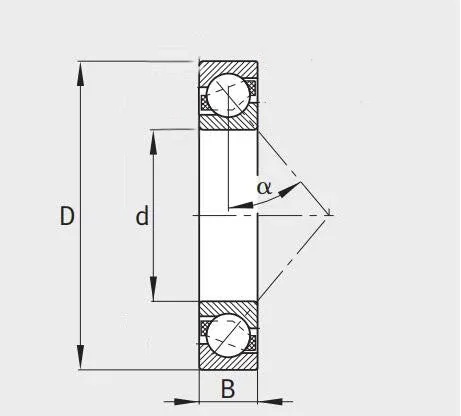
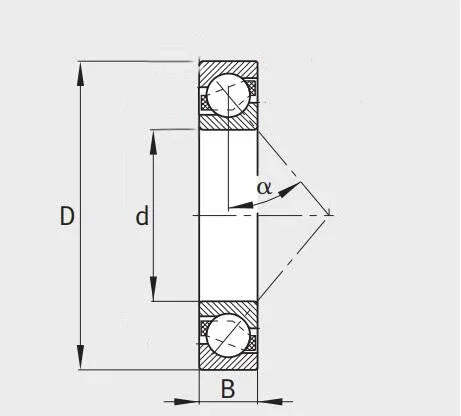
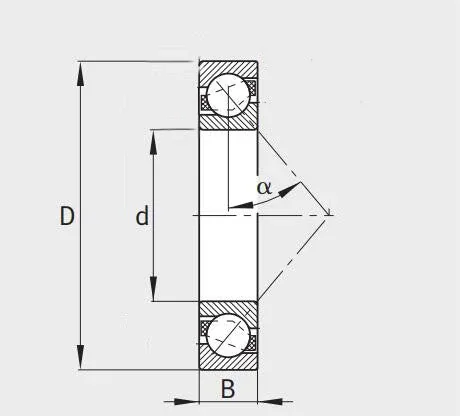
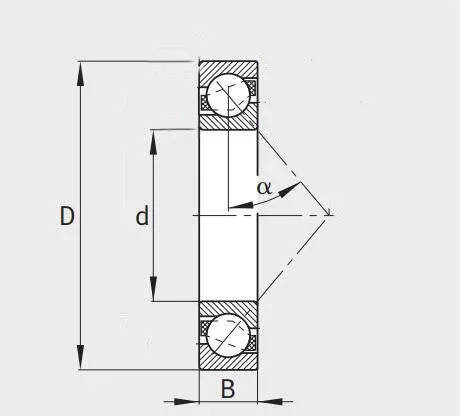
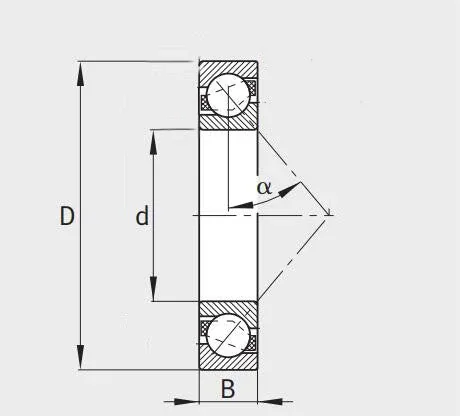
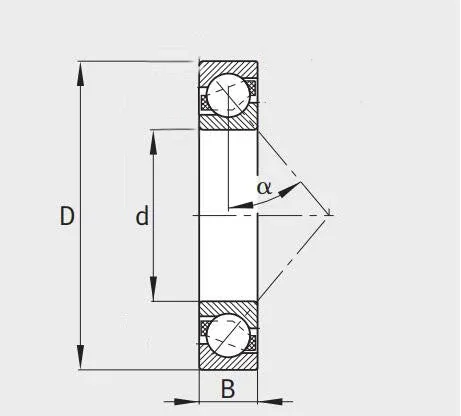
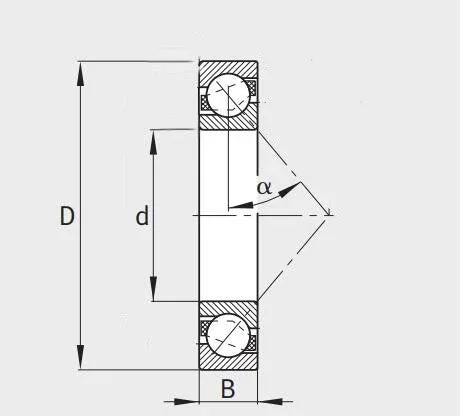
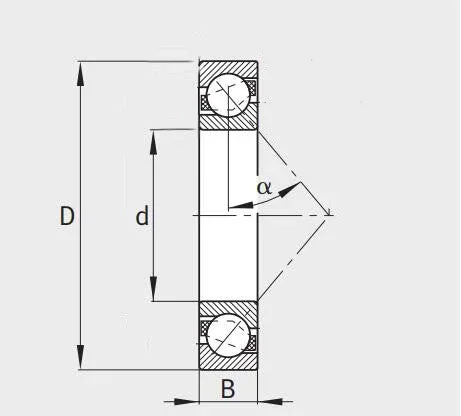
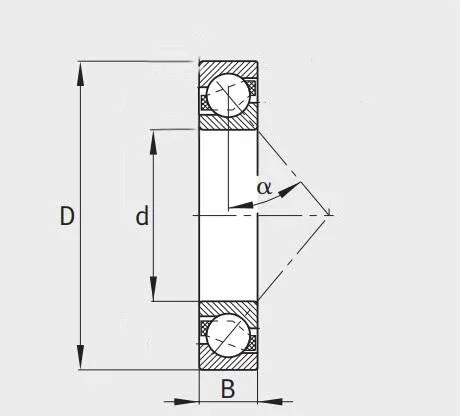
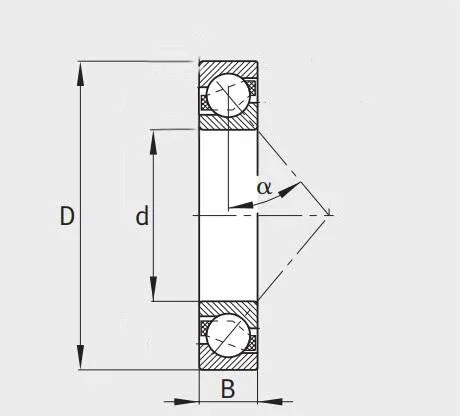
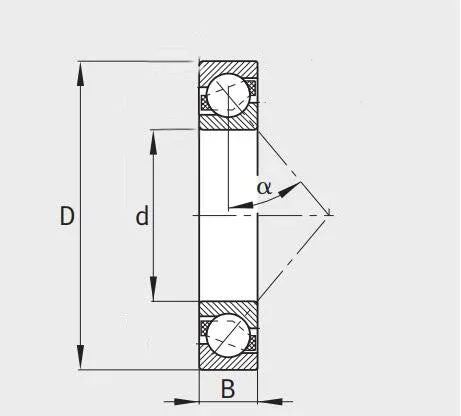
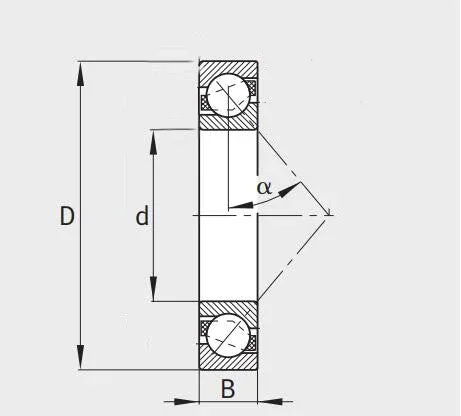
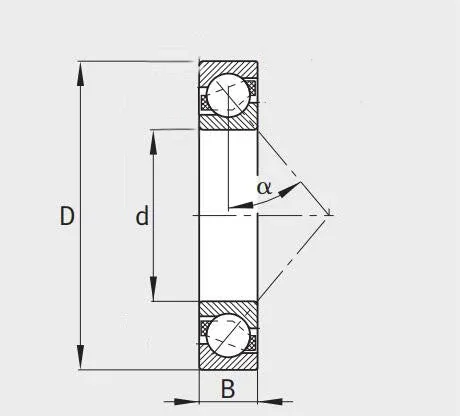
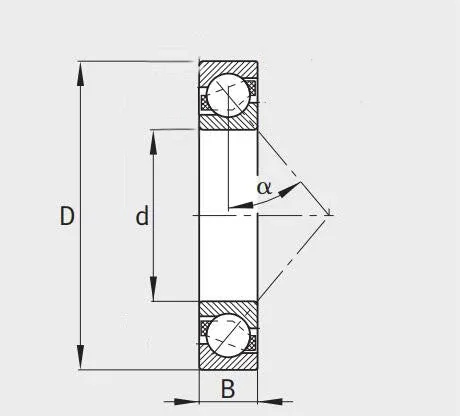
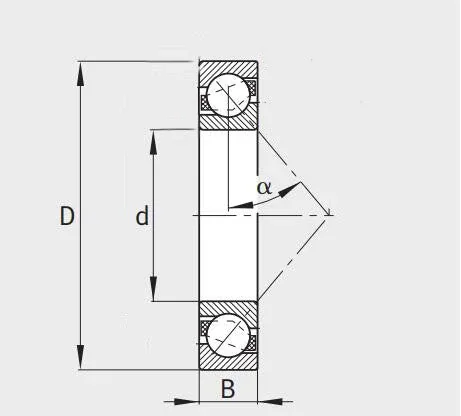
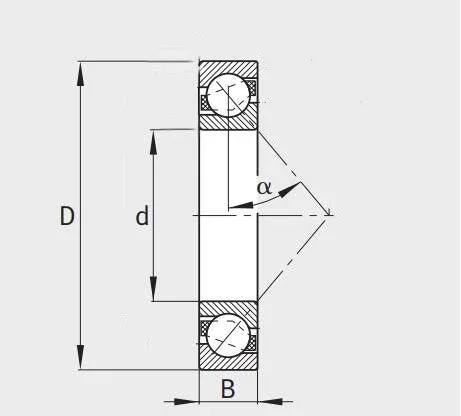
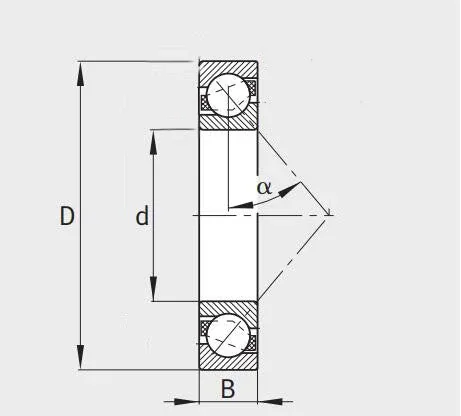
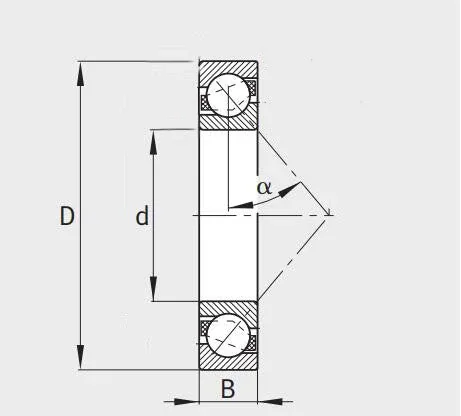
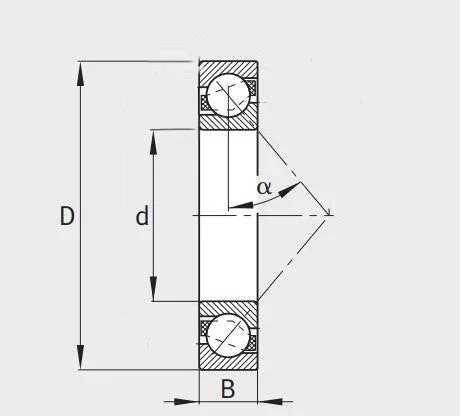
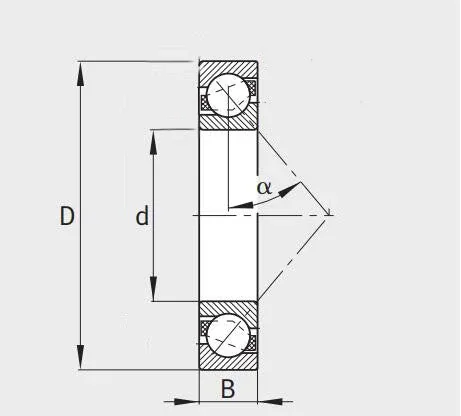
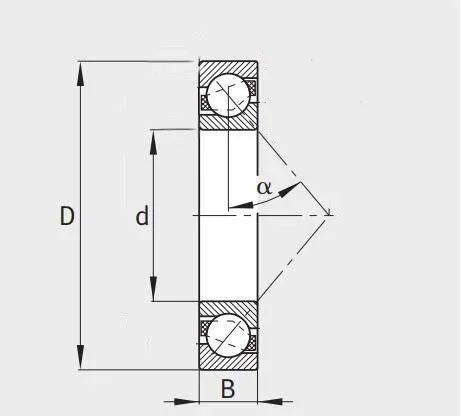
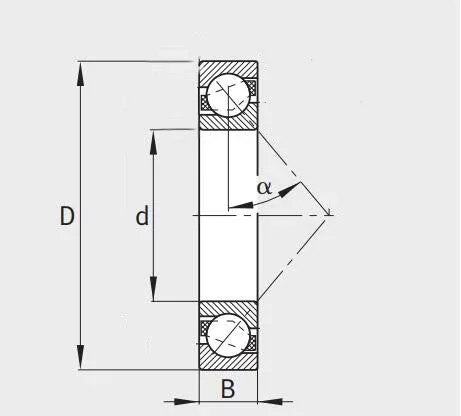
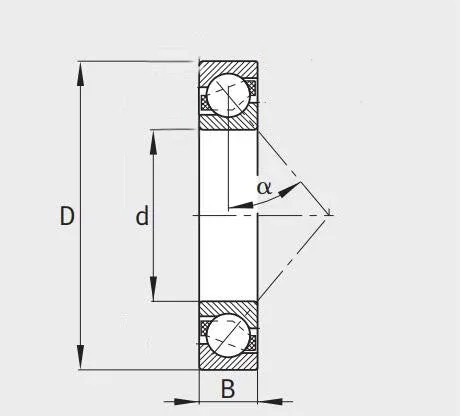
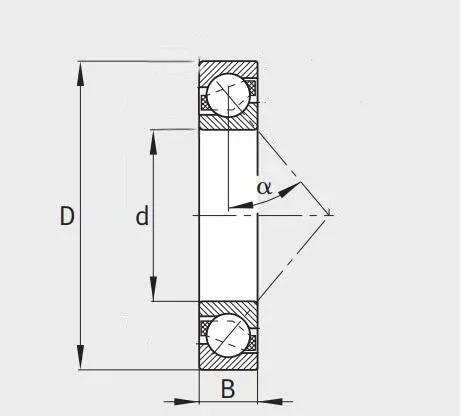
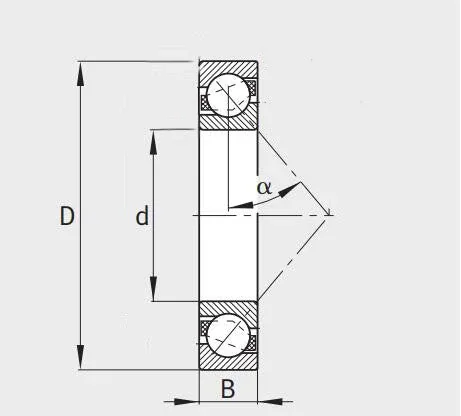
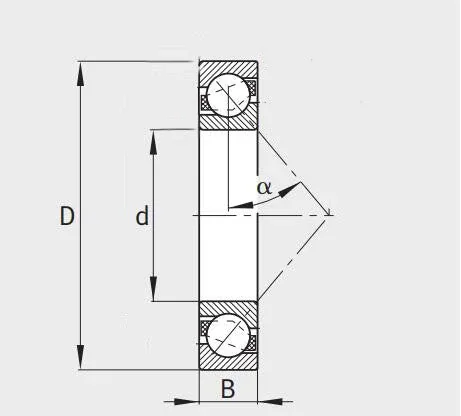
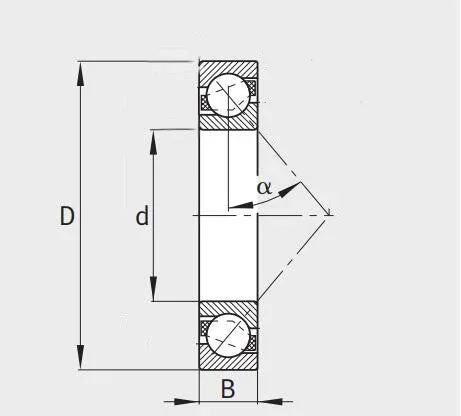
Related Collection Types
Technical Guide Materials, applications, selection notes, and internal reference links for this collection.
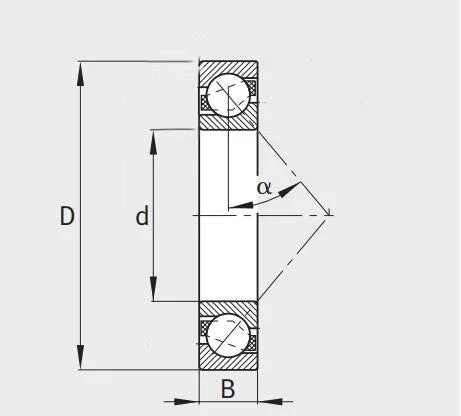
Single row angular contact ball bearings are used when a bearing position must support radial load together with axial load in one direction. Compared with a standard radial deep groove bearing, the raceway geometry is designed around a contact angle, so the bearing can handle combined loading when the shaft, housing, and mounting arrangement are correct. Chrome steel versions are commonly reviewed for general industrial machinery where hardened bearing steel, accurate mounting, and stable lubrication are part of the design.
This page is a selection guide for chrome steel single row angular contact ball bearing requests. If the project may need a different arrangement, compare related CXE Bearing collections for single row angular contact ball bearings, angular contact ball bearings in chrome steel, double row angular contact ball bearings, deep groove ball bearings in chrome steel, and broader GCR15 chrome steel bearings.
What Makes Angular Contact Bearings Different
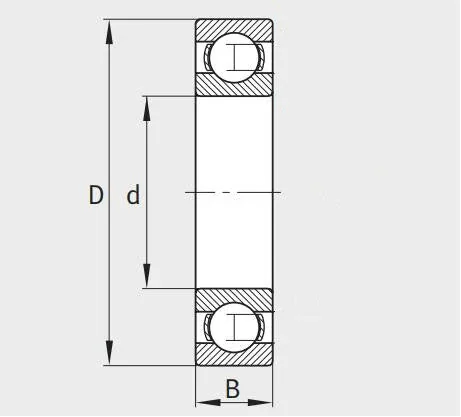
In a deep groove ball bearing, the bearing is usually selected first as a radial bearing with some ability to accept axial load depending on size and design. In an angular contact ball bearing, the contact angle is a central part of the selection. It affects axial load direction, stiffness, speed behavior, and whether the bearing should be mounted alone, in pairs, or as part of a matched arrangement.
A single row angular contact bearing normally carries axial load in one direction. If axial load acts in both directions, buyers often need a paired set, a double row bearing, or another bearing arrangement. This is why a replacement RFQ should state the mounting position and load direction instead of only sending the bearing bore size.
Common Applications
Chrome steel single row angular contact ball bearings are reviewed for pumps, compressors, machine tool support positions, gearboxes, electric motors with axial control requirements, high-speed shafts, and equipment where shaft location matters. They are also common in assemblies where one bearing supports axial load while another bearing handles floating or radial support.
The application should always be checked as a complete arrangement. If the old bearing failed from heat, cage damage, raceway marks, or repeated noise, the issue may involve preload, misalignment, lubrication, or the way the bearing pair was installed.
Paired Mounting and Preload Review
Many angular contact bearing applications depend on the arrangement. Back-to-back, face-to-face, and tandem mounting do different jobs. The arrangement affects stiffness, thermal behavior, axial load direction, and how the shaft responds to deflection. If a buyer changes only one bearing in a pair, the old preload condition may not be restored.
Preload also needs caution. Too little preload can reduce stiffness and allow vibration. Too much preload can increase heat and shorten service life. CXE Bearing should be given the old bearing markings, mounting order, spacer details if present, and whether the bearing is supplied as a matched pair or replaced individually.
Selection Notes
Start with the exact bearing number and suffix. Confirm contact angle if it is known, cage type, clearance or preload marking, seal or shield configuration, precision requirement, and whether the bearing is open, shielded, or sealed. The keyword “sealed angular contact bearing” should not be treated as a complete specification by itself. Seal drag, lubrication, speed, and heat must be reviewed together.
If the application originally used a standard deep groove ball bearing, do not upgrade to angular contact only because axial load is present. The surrounding shaft shoulder, housing shoulder, locknut, spacer, and assembly method must be suitable for an angular contact bearing.
RFQ Checklist
Send the bearing model, dimensions, quantity, old suffixes, contact angle if known, load direction, speed range, lubrication method, mounting arrangement, whether it is single or paired, and photos of the old bearing markings. If the bearing is used in a paired arrangement, include photos before disassembly when possible, because orientation is part of the specification.
RFQ Guidance
Use this collection to review chrome steel angular contact requests even when the table has limited product rows. CXE Bearing can compare model, size, material, seal type, cage, contact angle, mounting arrangement, and operating environment before confirming the most suitable replacement path.