
Plastic Ball Bearings for Corrosion-Resistant Light Loads Overview
Compare representative CXE Bearing products by dimensions, material, and seal type. Use the left navigation to switch collections without returning to the catalog home.
Products In This Collection
Browse all matching CXE Bearing products in this collection. Each row shows dimensions, material, seal type, public reference price, and the fastest RFQ path.
1-4 / 4 products
| Image | Product | Bore | OD | Width | Material | Seal | Reference Price | RFQ |
|---|---|---|---|---|---|---|---|---|
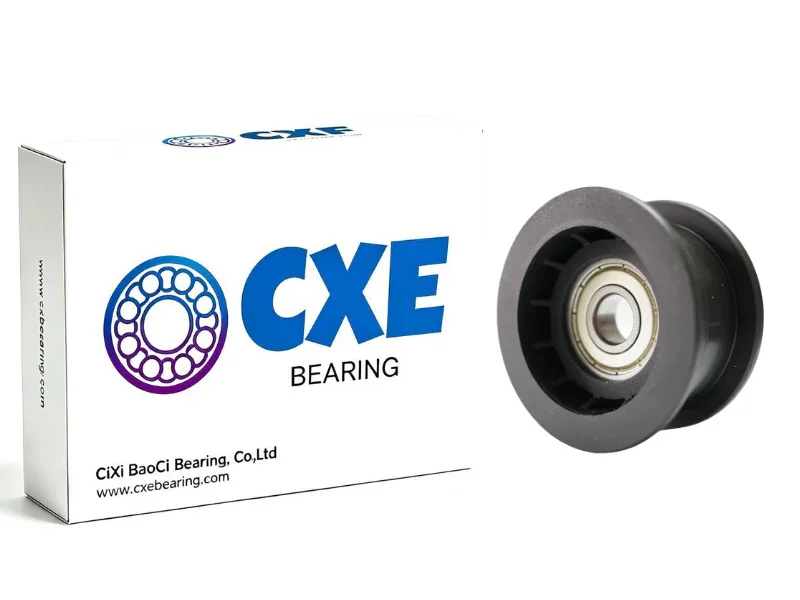 | U-Groove Plastic-Coated Pulley Bearing 608-30-9 | 8mm ID, 30mm Diameter | Coated / Plastic | On request | RFQ | ||||
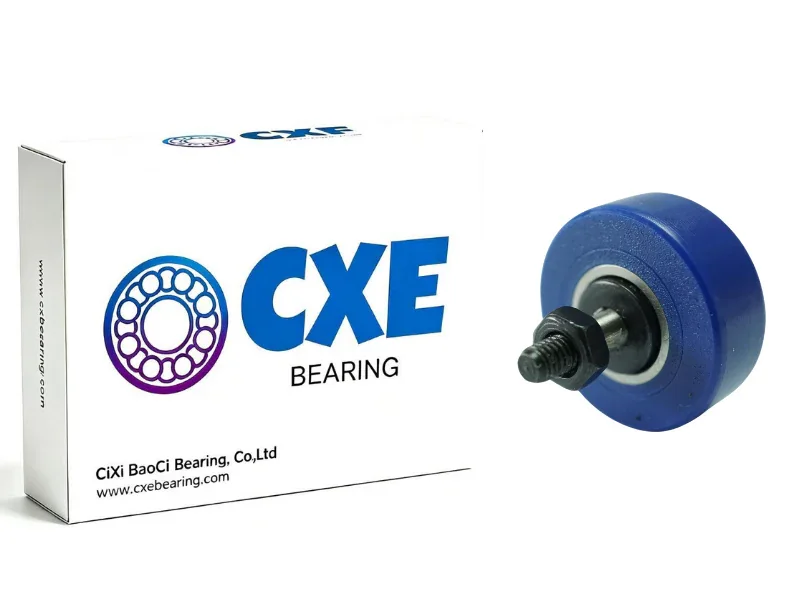 | Resin-Coated Cylindrical Cam Follower Bearing CF8-19-27 | 27mm Finished Diameter, M8 Thread | Coated / Plastic | On request | RFQ | ||||
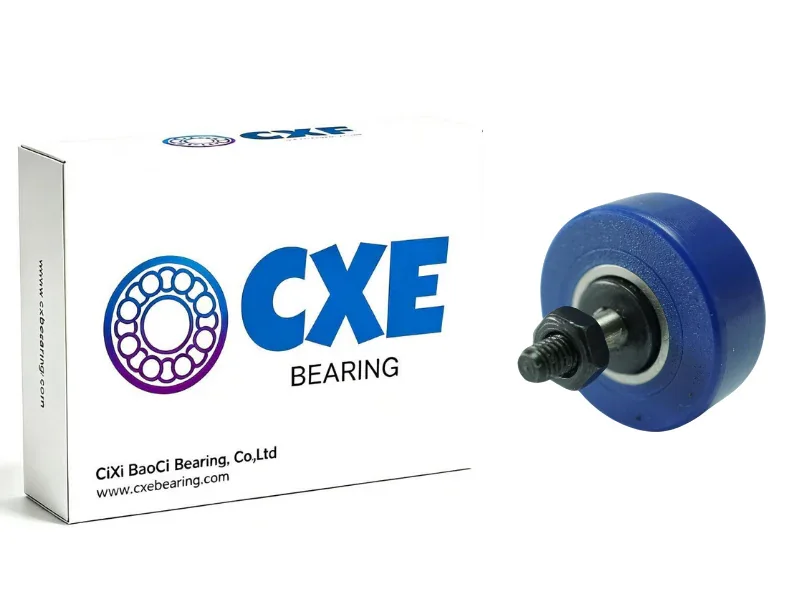 | Resin-Coated Cylindrical Cam Follower Bearing CF3-10-18 | 18mm ID, M3 Thread | Coated / Plastic | On request | RFQ | ||||
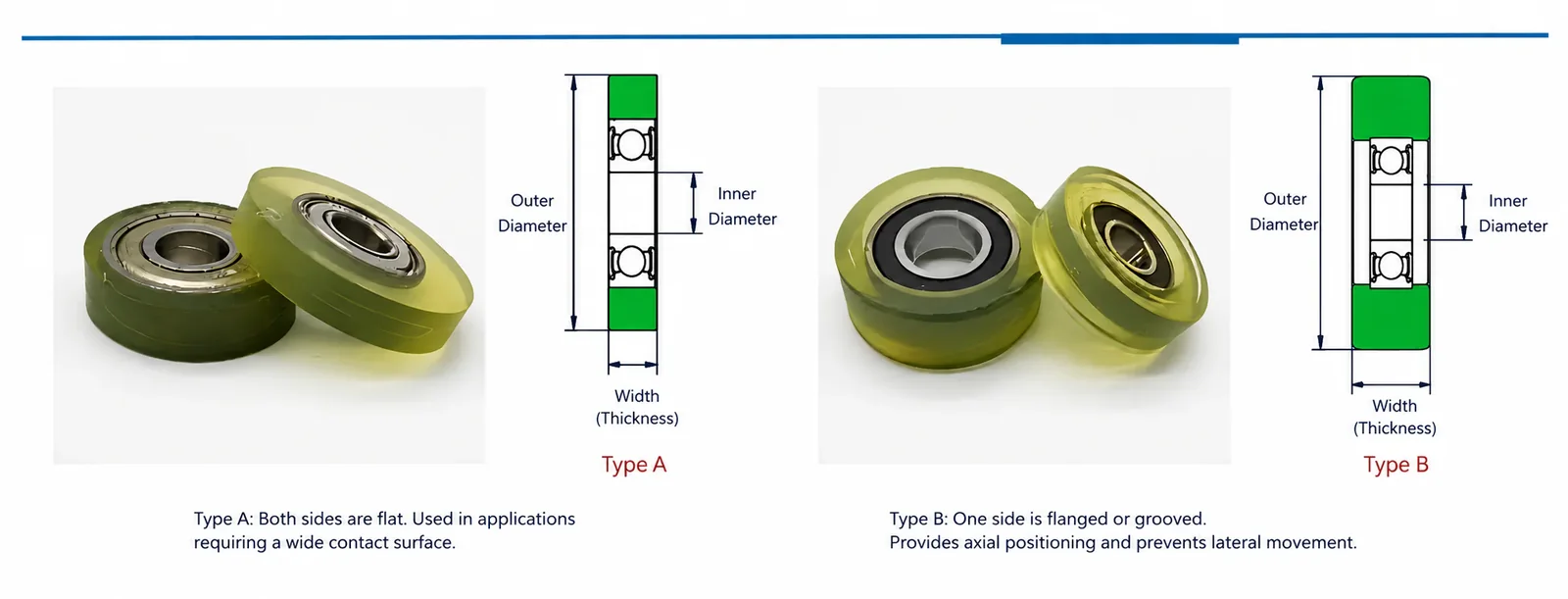 | polyurethane coated bearings 3mm*10mm*3mm 683 2rs Bearing | Coated / Plastic | 2RS | On request | RFQ |
Related Collection Types
Technical Guide Materials, applications, selection notes, and internal reference links for this collection.
Plastic ball bearings are used when a buyer needs a light-duty bearing option that can reduce corrosion risk, noise, or metal contact in a wet or chemically exposed environment. They are not a direct replacement for every steel bearing. The right choice depends on load, speed, shaft support, chemical exposure, temperature trend, lubricant policy, and whether the surrounding parts can support a plastic race or cage without distortion.
For many sourcing projects, the first question is not simply “plastic or steel?” It is whether the application is light enough, clean enough, and dimensionally stable enough for a plastic bearing to solve the problem. CXE Bearing can review plastic bearing requests alongside related categories such as plastic bearings, coated plastic bearings, stainless steel bearings, and washdown bearings when the environment is the main selection driver.
Where Plastic Ball Bearings Make Sense
Plastic ball bearings are often considered in equipment where moisture, low noise, low weight, or non-metallic contact matters more than heavy load capacity. Typical review scenarios include light conveyors, guide rollers, packaging equipment, simple washdown zones, display mechanisms, medical or laboratory fixtures, small handling systems, and equipment where metal corrosion has been a recurring maintenance issue.
They may also be useful when the bearing should run without a conventional grease program or when the application needs a cleaner material combination. In these cases, the material of the rings, balls, cage, and shaft should be reviewed together. A plastic bearing with stainless or ceramic balls behaves differently from an all-plastic bearing, and the final selection should match the real contact surfaces and operating environment.
When Not to Replace a Metal Bearing With Plastic
Plastic ball bearings should be reviewed carefully before they replace a metal bearing in high-load, high-speed, high-temperature, shock-load, or high-precision positions. If a failed steel bearing shows raceway fatigue, heavy brinelling, overheating, misalignment, or shaft movement, changing to plastic may not solve the root cause. It may simply move the failure to another part of the assembly.
Avoid choosing plastic only because the original bearing rusted. Rust is evidence of an environment issue, but the replacement may still need load capacity, fit stability, sealing, and running accuracy. In many wet applications, a stainless steel bearing or a washdown bearing arrangement may be a better starting point than a plastic ball bearing.
How to Choose a Plastic Ball Bearing
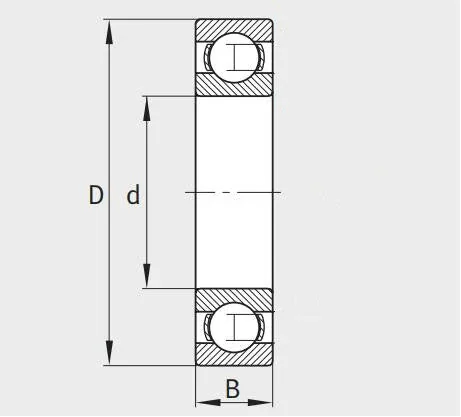
Start with the existing bearing number or dimensions. Confirm bore, outside diameter, width, shaft material, housing material, and whether the bearing is mounted by press fit, slip fit, screw retention, or a molded pocket. Plastic parts can respond differently to interference and heat than steel parts, so the fit should be reviewed before repeating the old installation method.
Then define the application environment. Note whether the bearing sees water, cleaning fluids, salt, food residue, dust, mild chemicals, or abrasive particles. Also confirm whether the bearing must be dry-running, lubricated, sealed, open, or easy to rinse. If the application is exposed to cleaning or moisture, compare plastic options with washdown bearings instead of treating all corrosion-resistant bearings as the same.
Common Buying Mistakes
- Replacing a loaded steel bearing with plastic without checking the load path.
- Ignoring shaft and housing material, especially when the bearing sits in a plastic or soft metal part.
- Assuming all plastic materials resist the same chemicals.
- Choosing a bearing only by bore size and missing outside diameter, width, or ball material.
- Asking for a low-noise bearing without describing speed, mounting support, or lubrication condition.
RFQ Information to Send
For a plastic ball bearing RFQ, include the old bearing number if available, bore x outside diameter x width, shaft material, housing material, expected load direction, running speed range, exposure to water or chemicals, lubrication preference, and photos of the mounted position. If the bearing is used in a guide roller, conveyor, door mechanism, or small machine, include a photo of the full assembly as well as the bearing itself.
RFQ Guidance
Use the product table below to compare available CXE Bearing items, then send model, quantity, material preference, ball material, seal or open style, destination country, and operating environment. If plastic is only one possible solution, note whether stainless steel, ceramic, or coated bearing options can also be reviewed.