Metric Ball Bearings Overview
Compare representative CXE Bearing products by dimensions, material, and seal type. Use the left navigation to switch collections without returning to the catalog home.
Products In This Collection
Browse all matching CXE Bearing products in this collection. Each row shows dimensions, material, seal type, public reference price, and the fastest RFQ path.
481-526 / 526 products
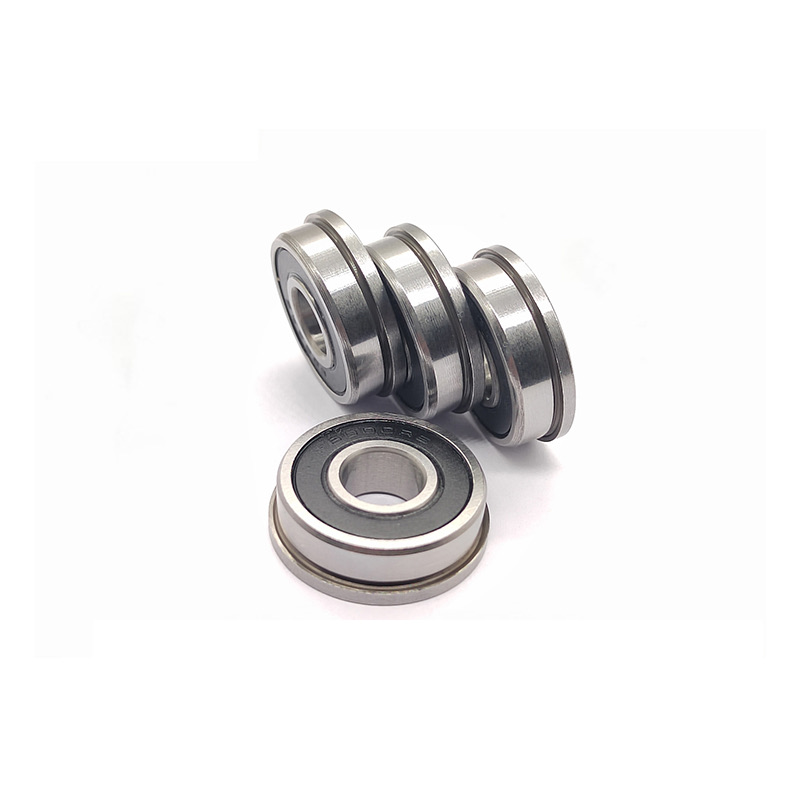
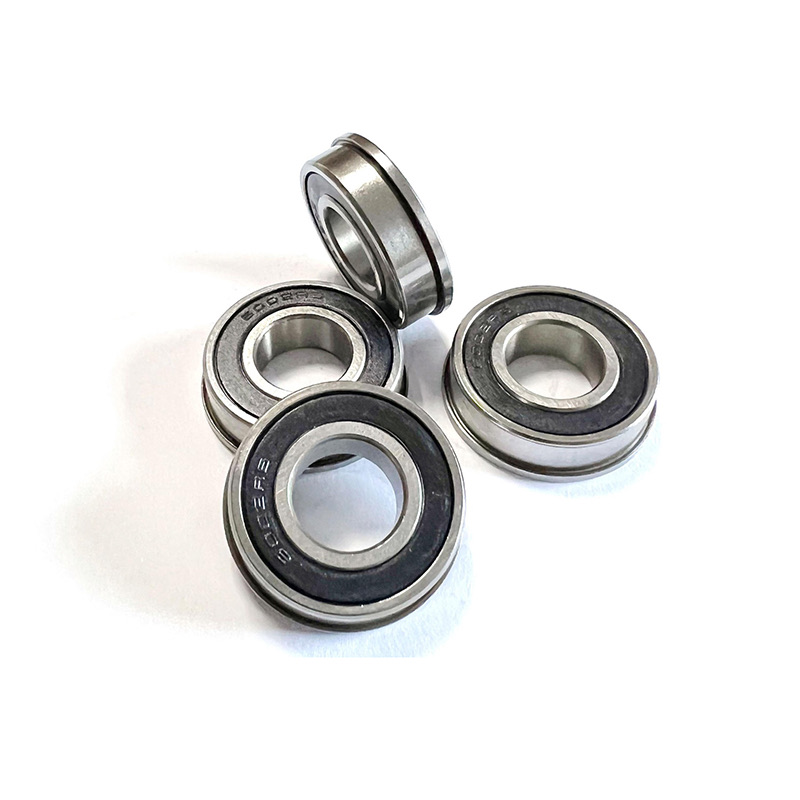
Related Collection Types
Technical Guide Materials, applications, selection notes, and internal reference links for this collection.
Metric ball bearings are the standard starting point for many industrial replacement and sourcing projects. Buyers use this collection when the shaft and housing dimensions are in millimeters and the main task is to match bore, outside diameter, width, bearing series, seal type, material, clearance, and application conditions.
This page is useful when the bearing number is known, but it is also helpful when the old marking is worn away and the buyer must identify the part by measurement. A metric bearing may be a standard deep groove ball bearing, miniature bearing, stainless bearing, chrome steel bearing, flanged bearing, or another related design. The safest path is to confirm dimensions first, then narrow by bearing family and operating environment.
Common Applications
Metric ball bearings are found in electric motors, fans, pumps, conveyors, rollers, appliances, instruments, automation systems, gearboxes, packaging machinery, small vehicles, and general rotating equipment. Many machines use metric series because the dimensions are standardized and widely available across industrial supply chains.
They are often selected for radial support with moderate load and smooth rotation. Some ball bearing designs can carry limited axial load, but a standard metric ball bearing should not be selected as a thrust solution without checking the actual load direction and catalog limits.
How To Choose
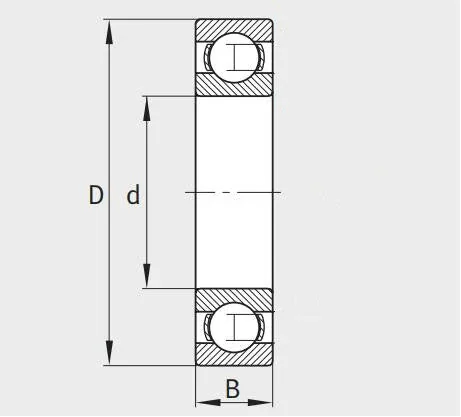
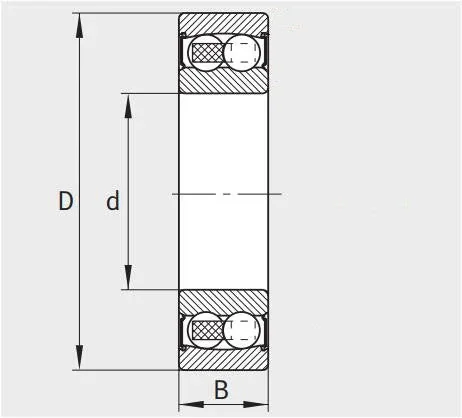
Start with the basic dimensions: bore, outside diameter, and width. Then confirm the bearing series. A 6000, 6200, 6300, 6800, and 6900 series bearing can all be metric, but they do not offer the same load capacity, width, or space profile.
| Selection point | What to confirm |
|---|---|
| Size | Bore, OD, width, chamfer, and any snap-ring detail |
| Series | 60, 62, 63, 68, 69, miniature, flanged, or special series |
| Closure | Open, ZZ, 2RS, non-contact seal, contact seal, or special closure |
| Material | Chrome steel, stainless steel, hybrid ceramic, plastic, or other option |
| Clearance | CN/C0, C3, or another clearance class based on fit and heat |
| Application | Motor, conveyor, fan, roller, instrument, food equipment, or outdoor use |
| Environment | Clean, dusty, wet, washdown, chemical, high temperature, or low-noise |
If the target part is a standard radial ball bearing, compare the deep groove ball bearing family for broader selection guidance. If the buyer already knows the material should be chrome steel, the chrome steel material hub can narrow the material path.
Material, Seal, Load, And Speed Notes
The same metric bearing size can be supplied in different materials and closures. Chrome steel is often used for protected industrial equipment. Stainless steel is preferred where corrosion, humidity, washdown, or clean-equipment requirements are important. Hybrid ceramic or ceramic options may be considered for special speed, insulation, or corrosion needs, but they should be reviewed against load, shock, mounting, and cost.
Seal choice affects more than protection. ZZ shields can help retain grease with lower drag in many clean applications. 2RS seals can improve contamination resistance, but may increase friction and heat. Open bearings can work well when the machine provides lubrication or external sealing. Do not choose the most protected closure automatically if the equipment is high speed or low torque.
Speed should be reviewed with grease, cage, seal drag, clearance, and fit. A bearing that looks correct by dimension can still run hot if the fit is too tight, grease is excessive, a contact seal is unsuitable, or the application has unexpected axial load.
Related Collection Paths
Useful related pages include deep groove ball bearings, deep groove ball bearings chrome steel, miniature bearings, stainless steel bearings, and ceramic hybrid bearings when material or speed behavior needs further review.
RFQ Guidance
For a metric ball bearing request, send the bearing number if available, measured bore, outside diameter, width, seal or shield type, material preference, quantity, speed, load direction, equipment type, and operating environment. If the old bearing has unclear markings, send photos of both sides and a measurement photo with calipers. CXE Bearing can then review whether the part should stay in a standard metric ball bearing path or move to a more specific material, seal, or precision option.