
Flange Bearings for Mounted and Locating Applications Overview
Compare representative CXE Bearing products by dimensions, material, and seal type. Use the left navigation to switch collections without returning to the catalog home.
Products In This Collection
Browse all matching CXE Bearing products in this collection. Each row shows dimensions, material, seal type, public reference price, and the fastest RFQ path.
1-24 / 24 products
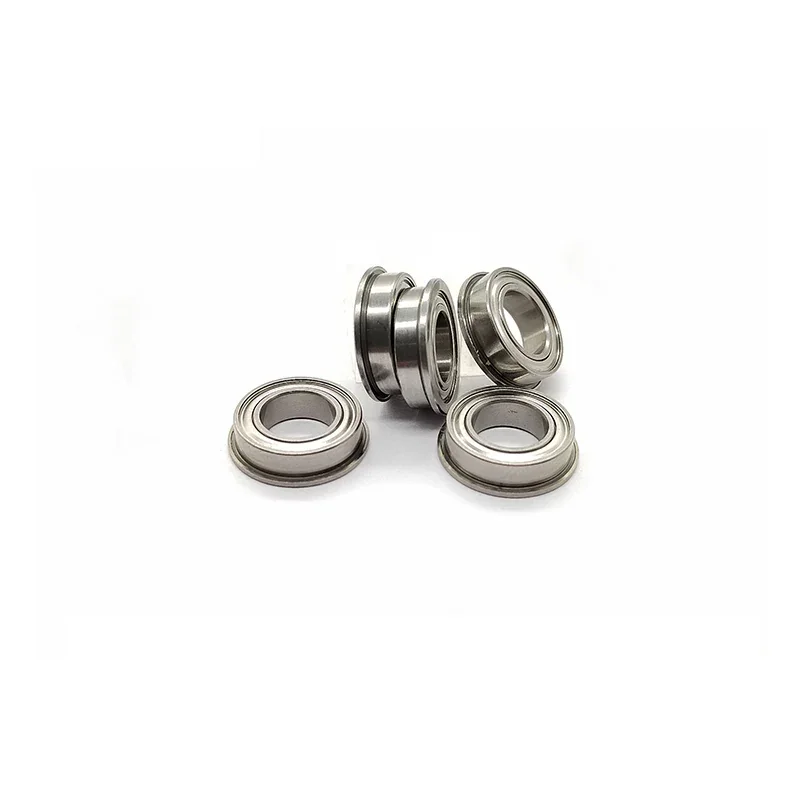
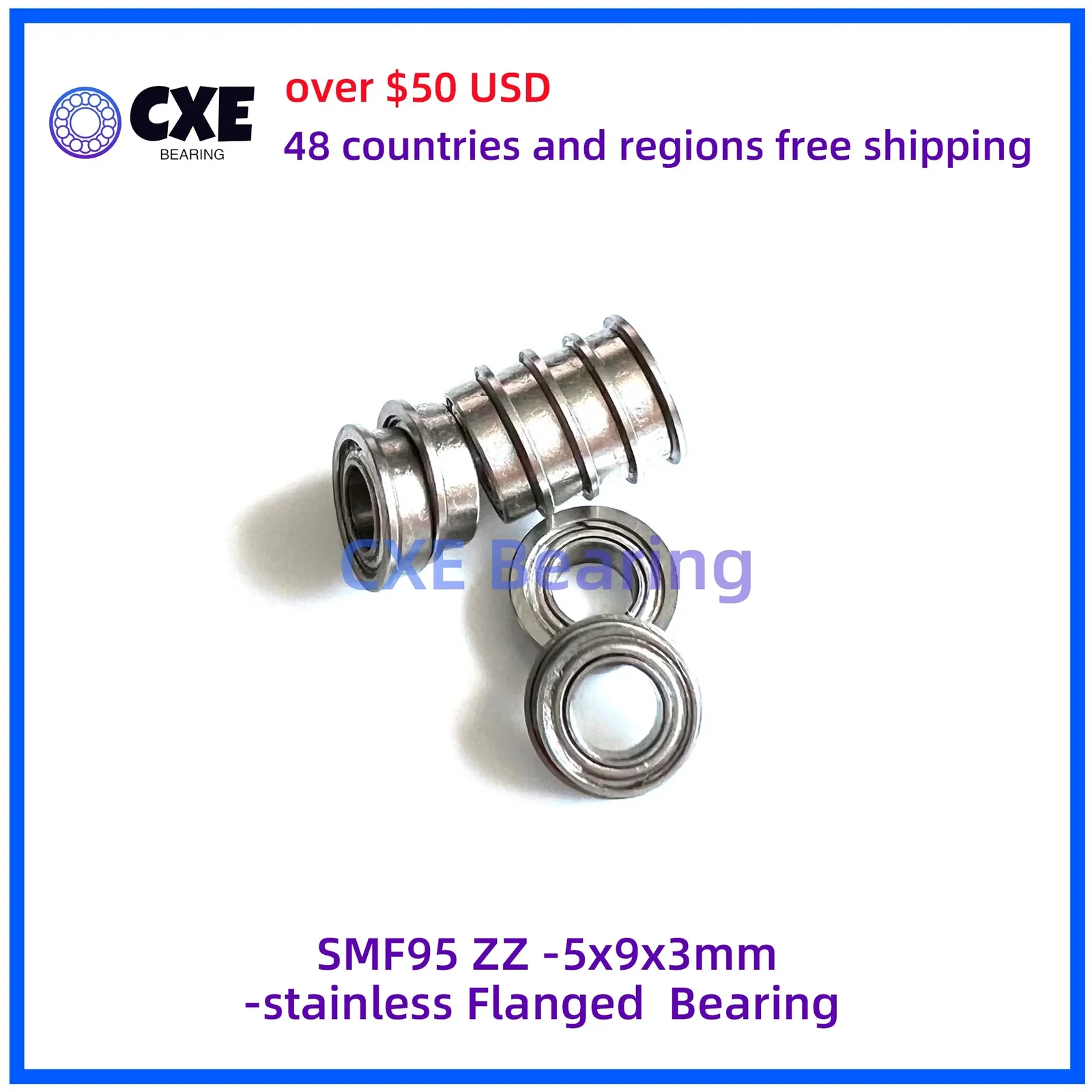
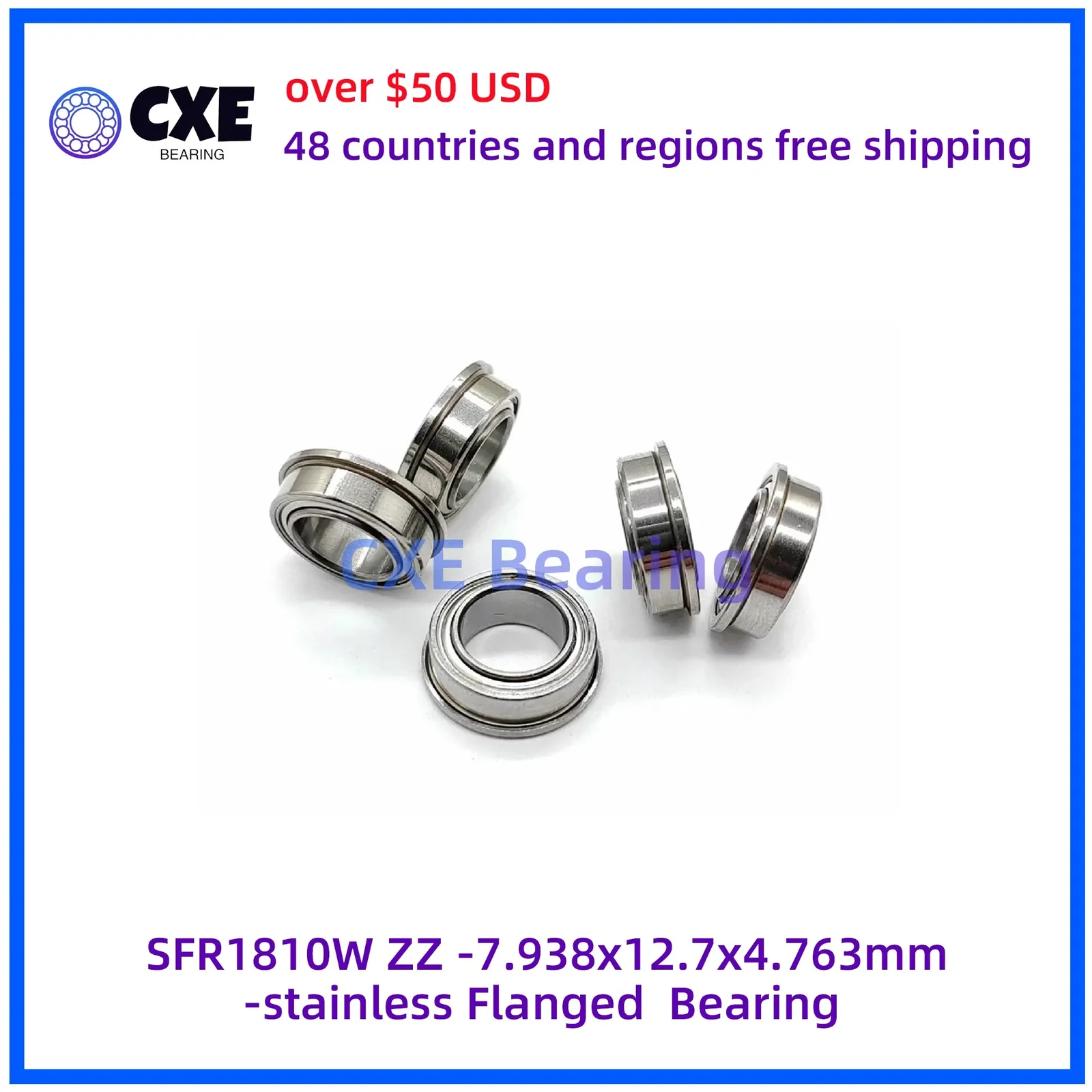
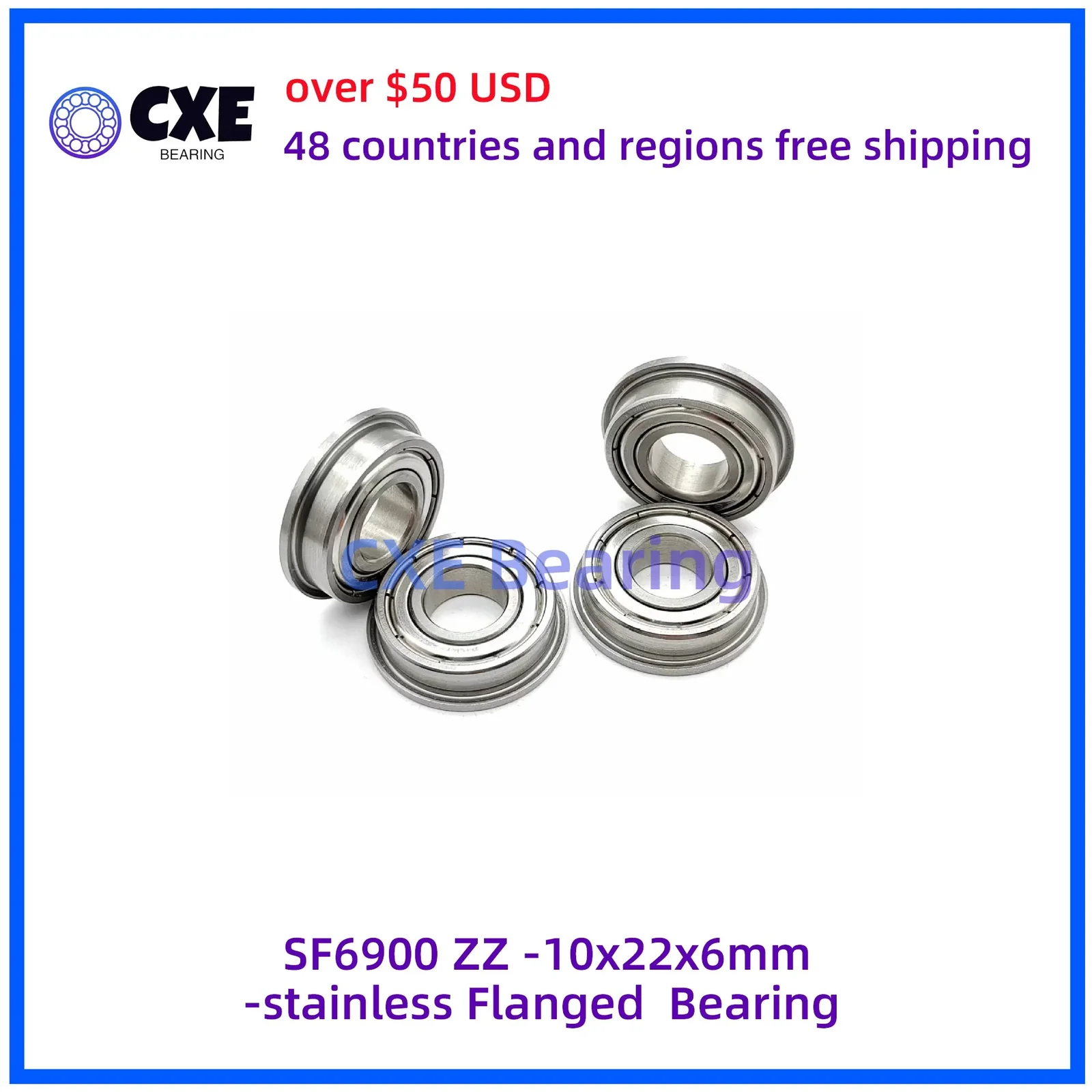
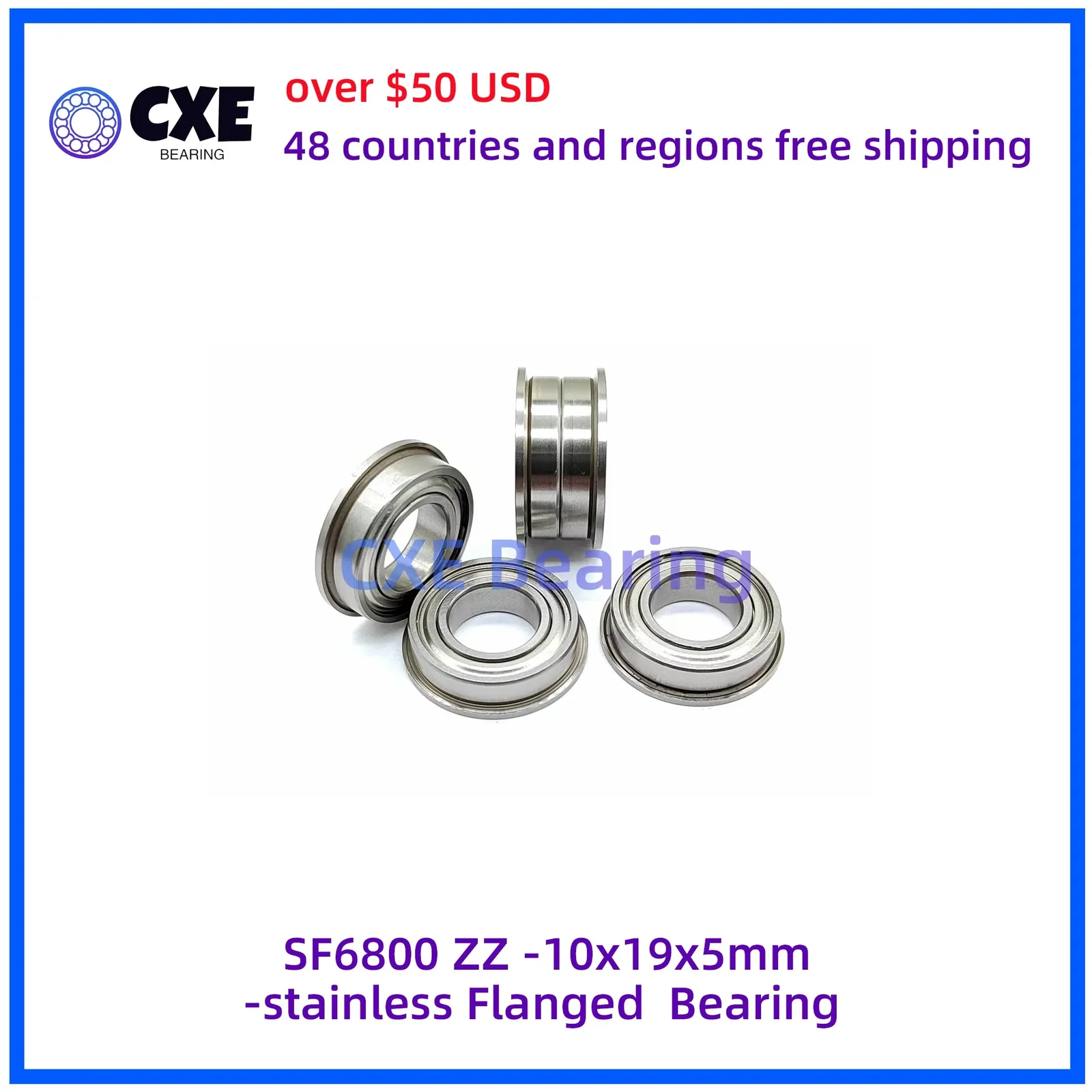
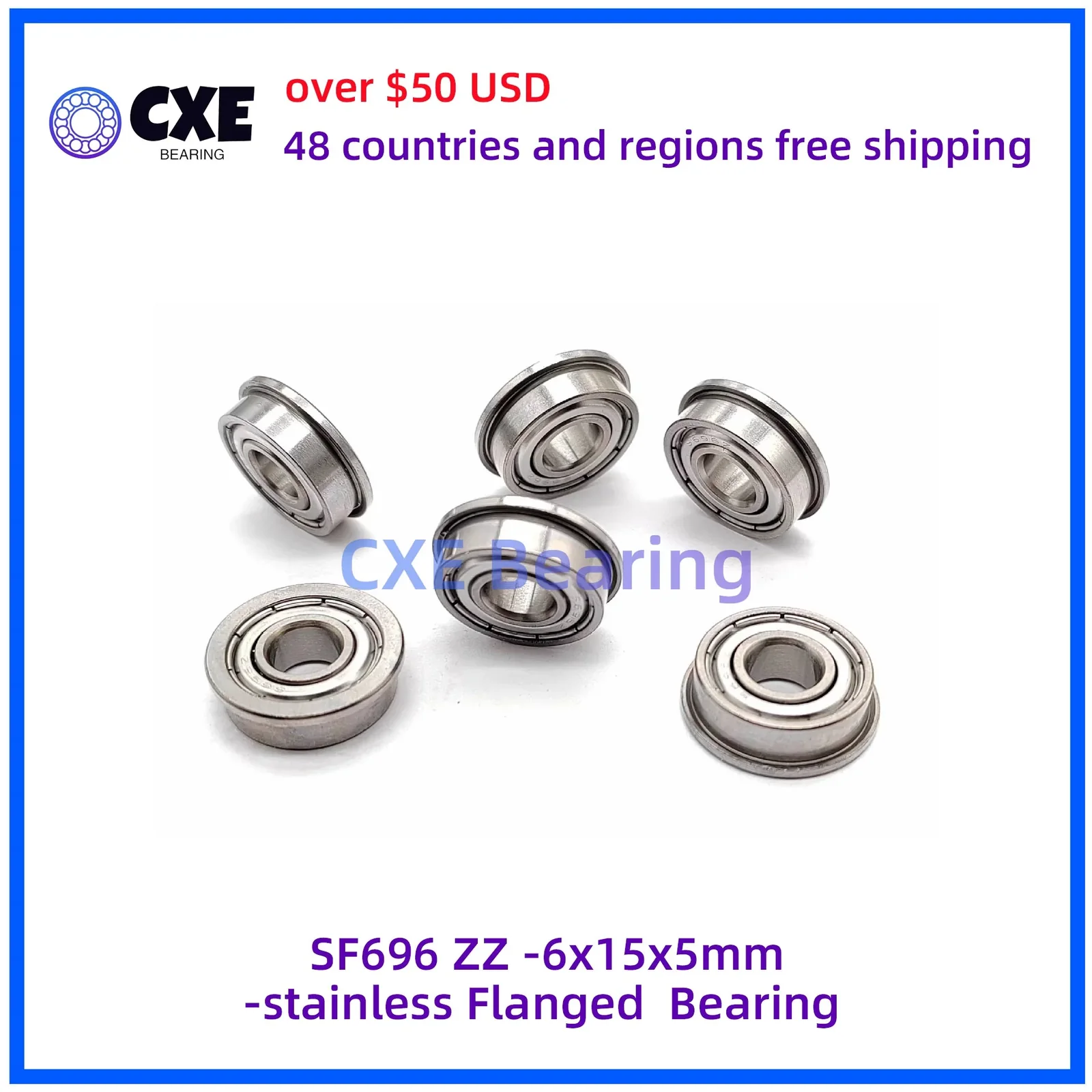
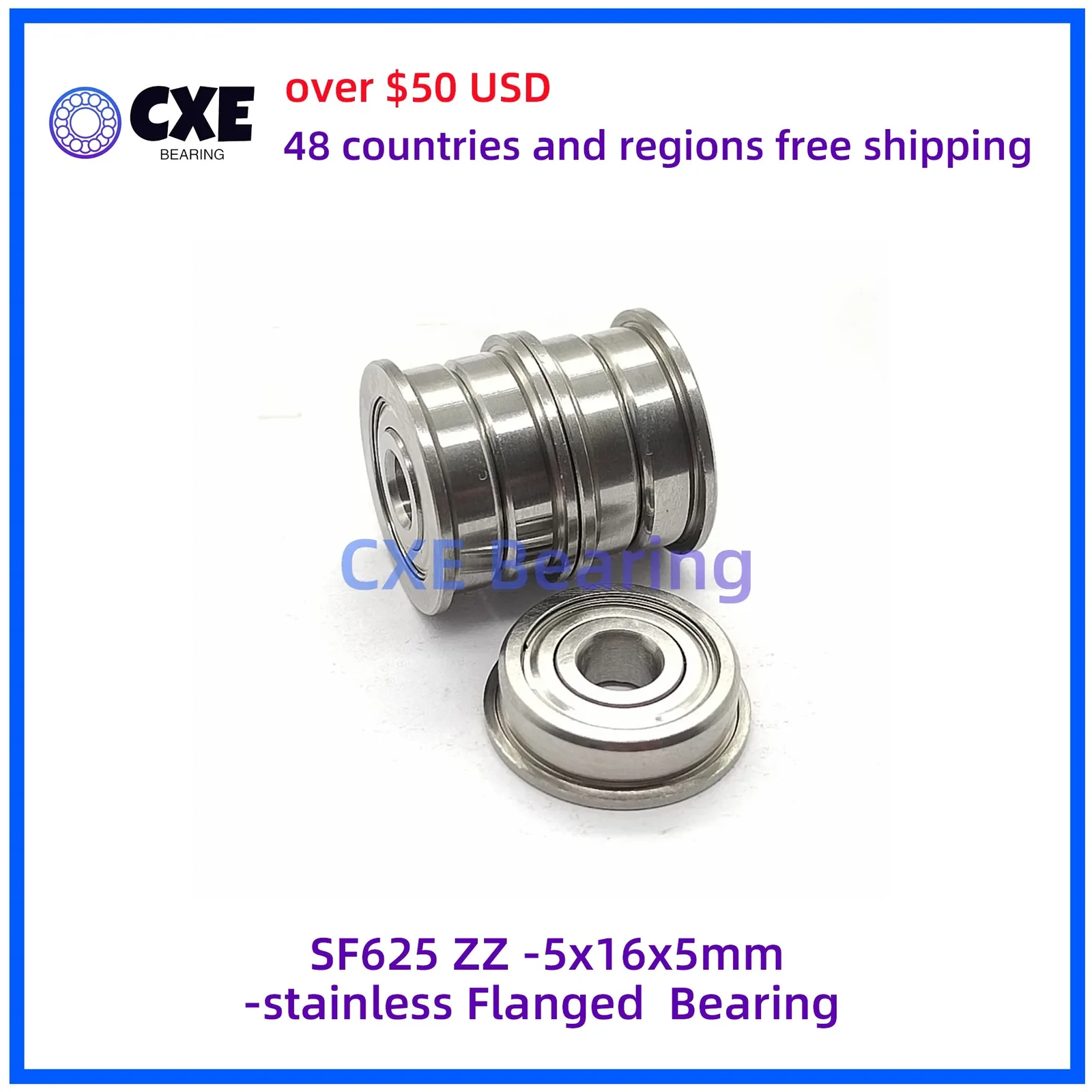
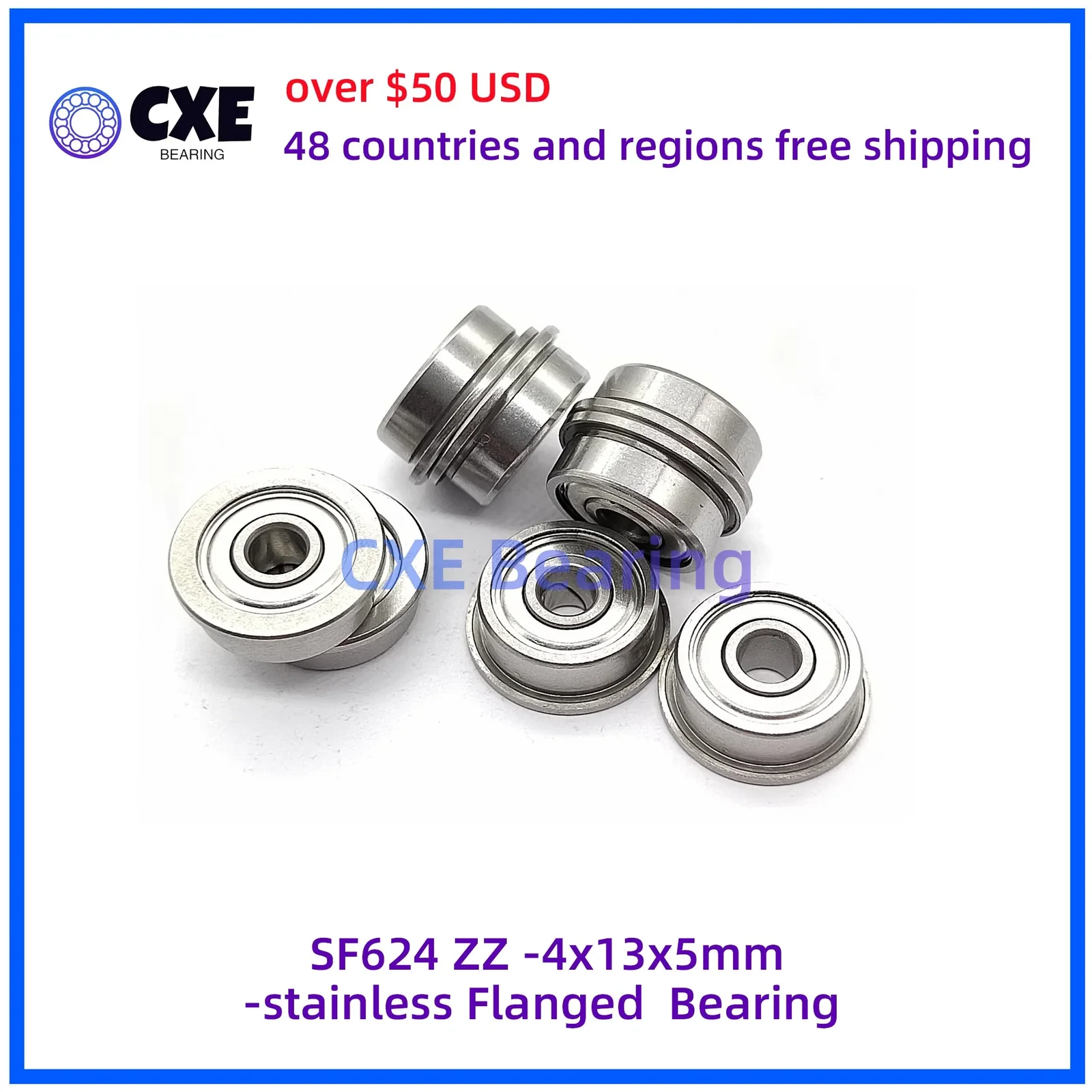
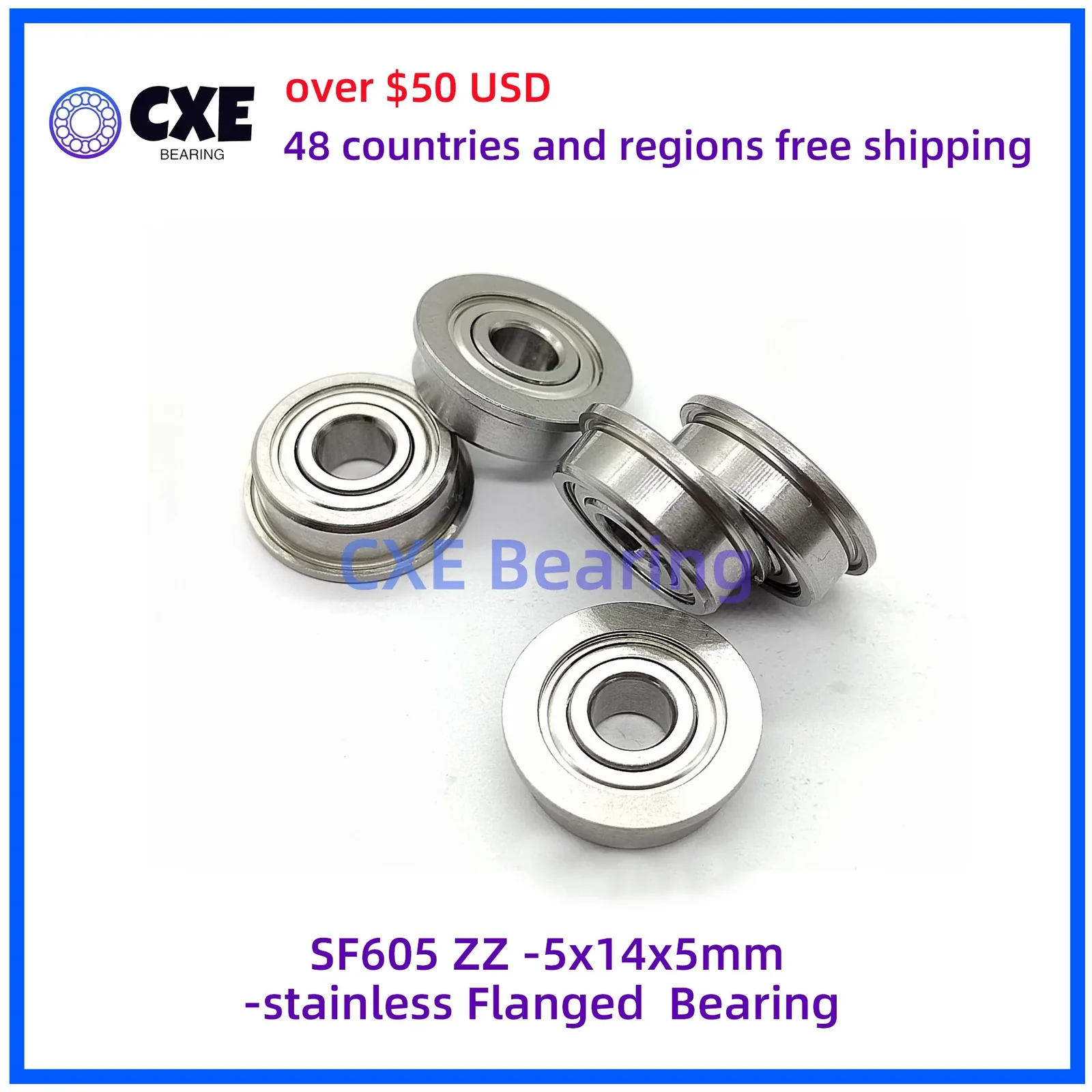
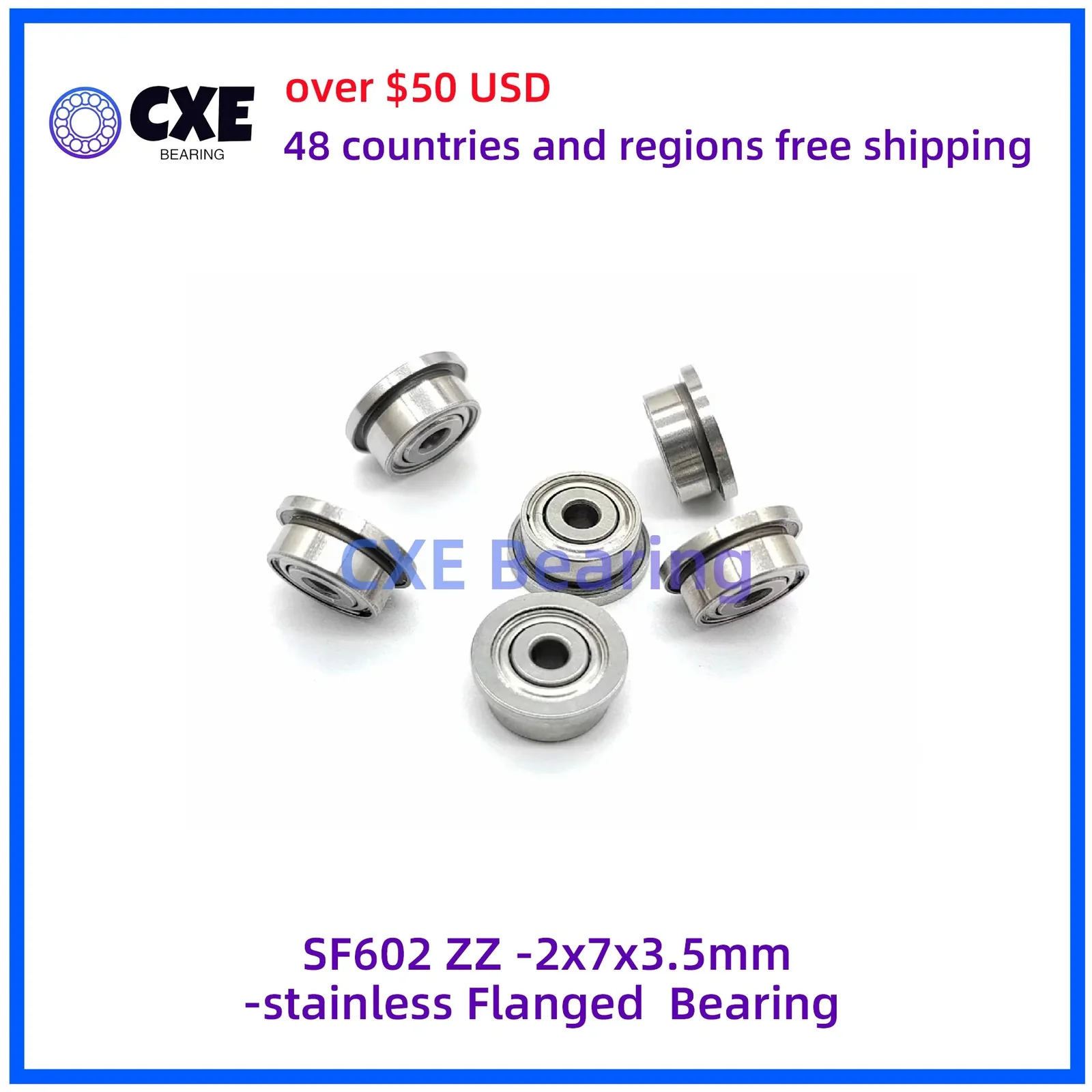
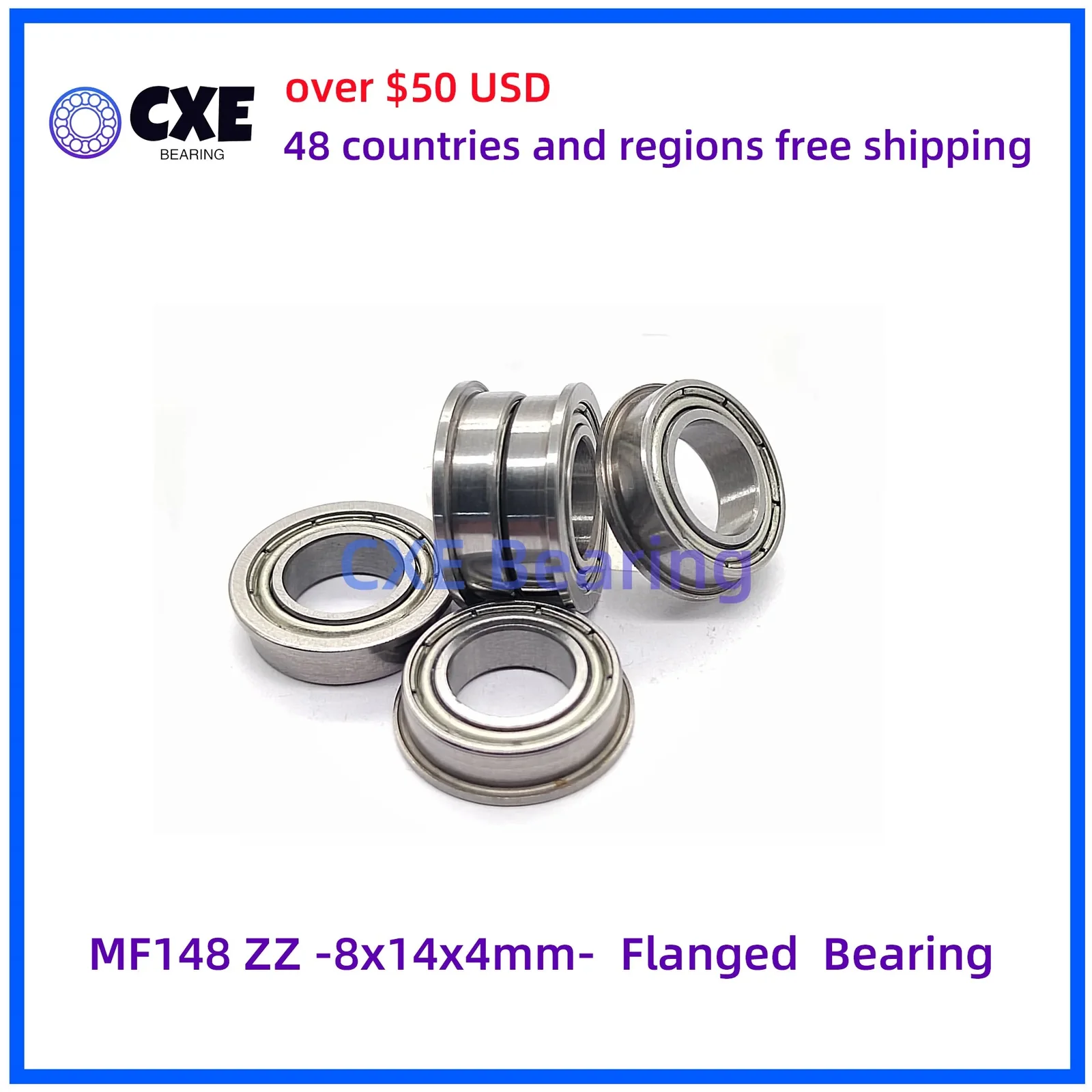
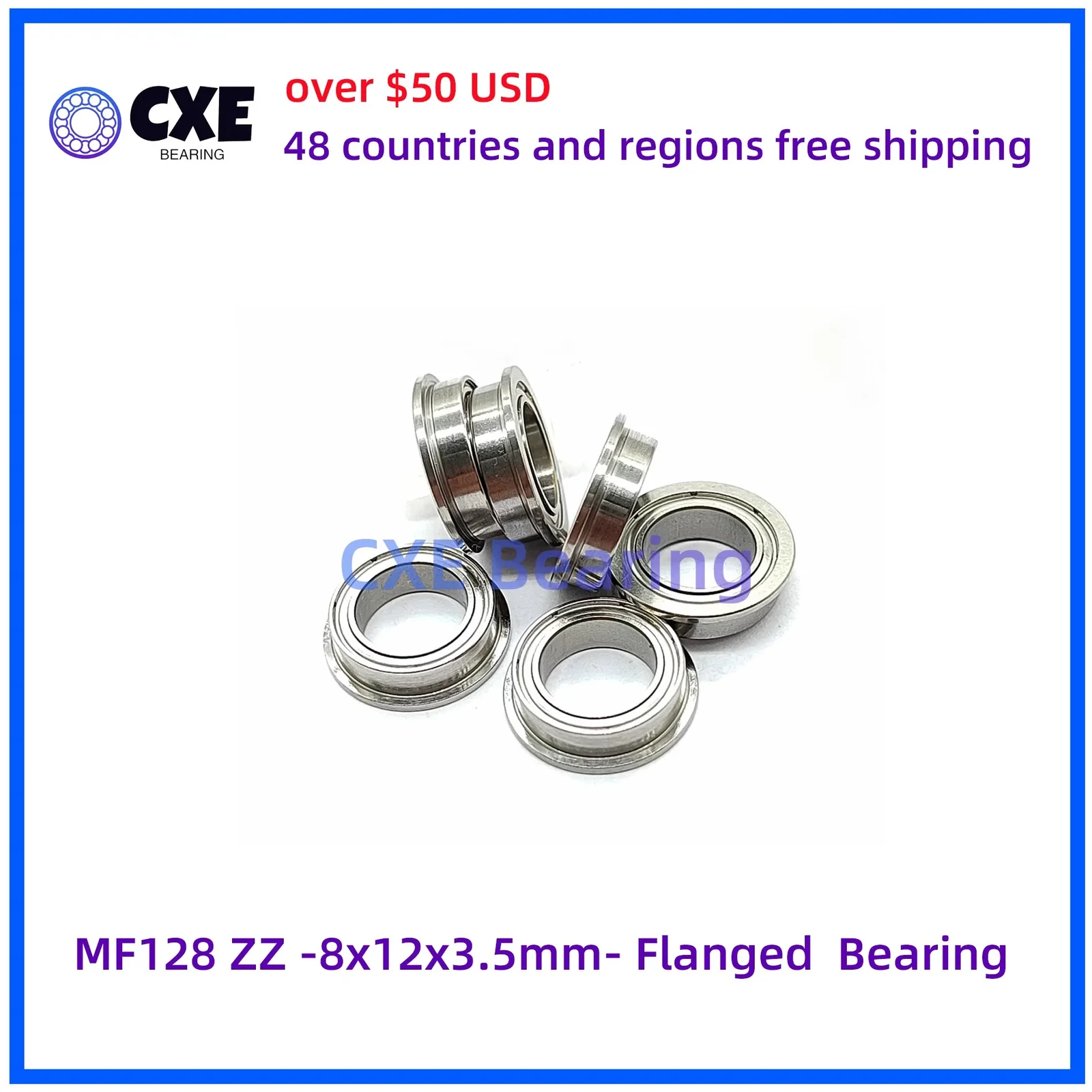
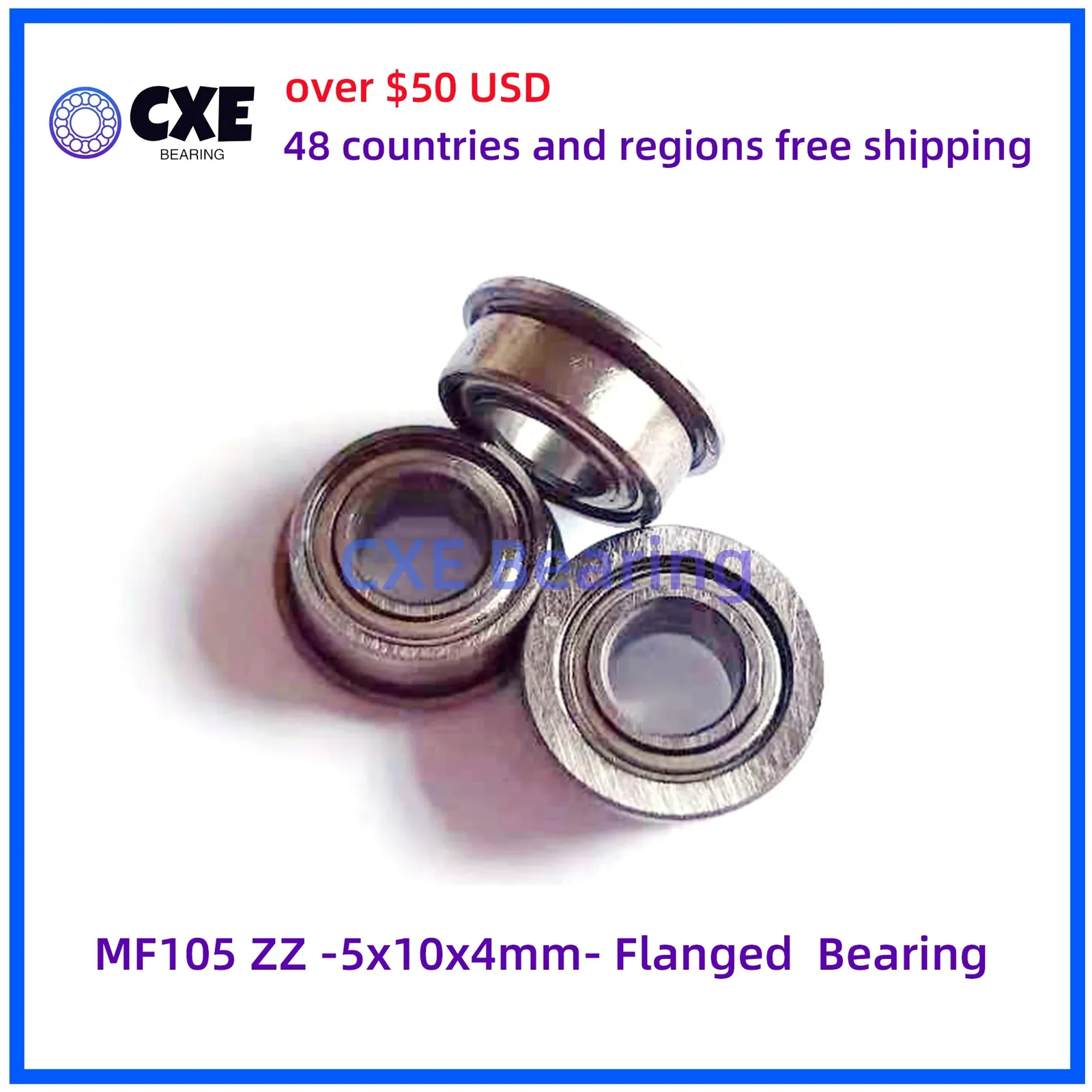
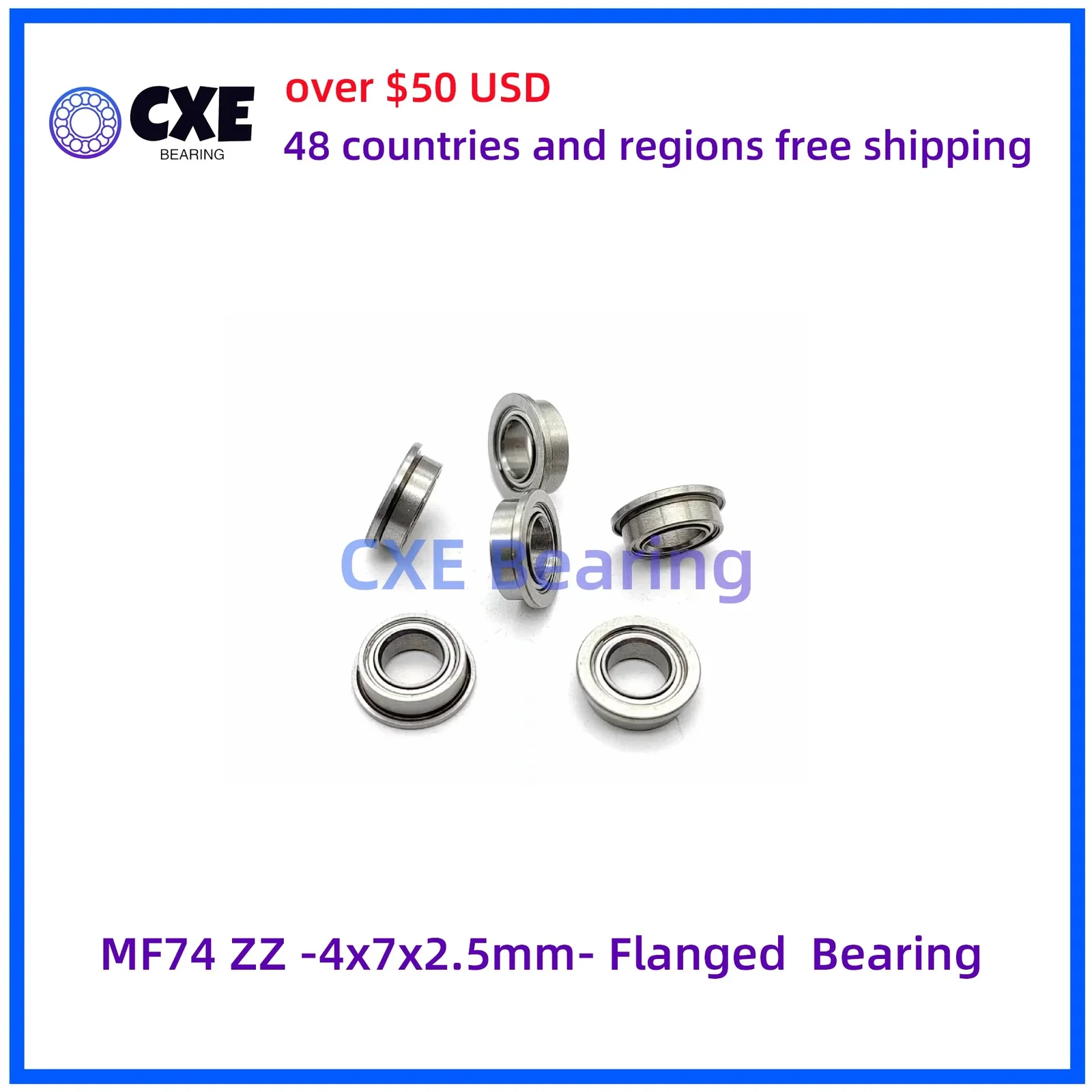
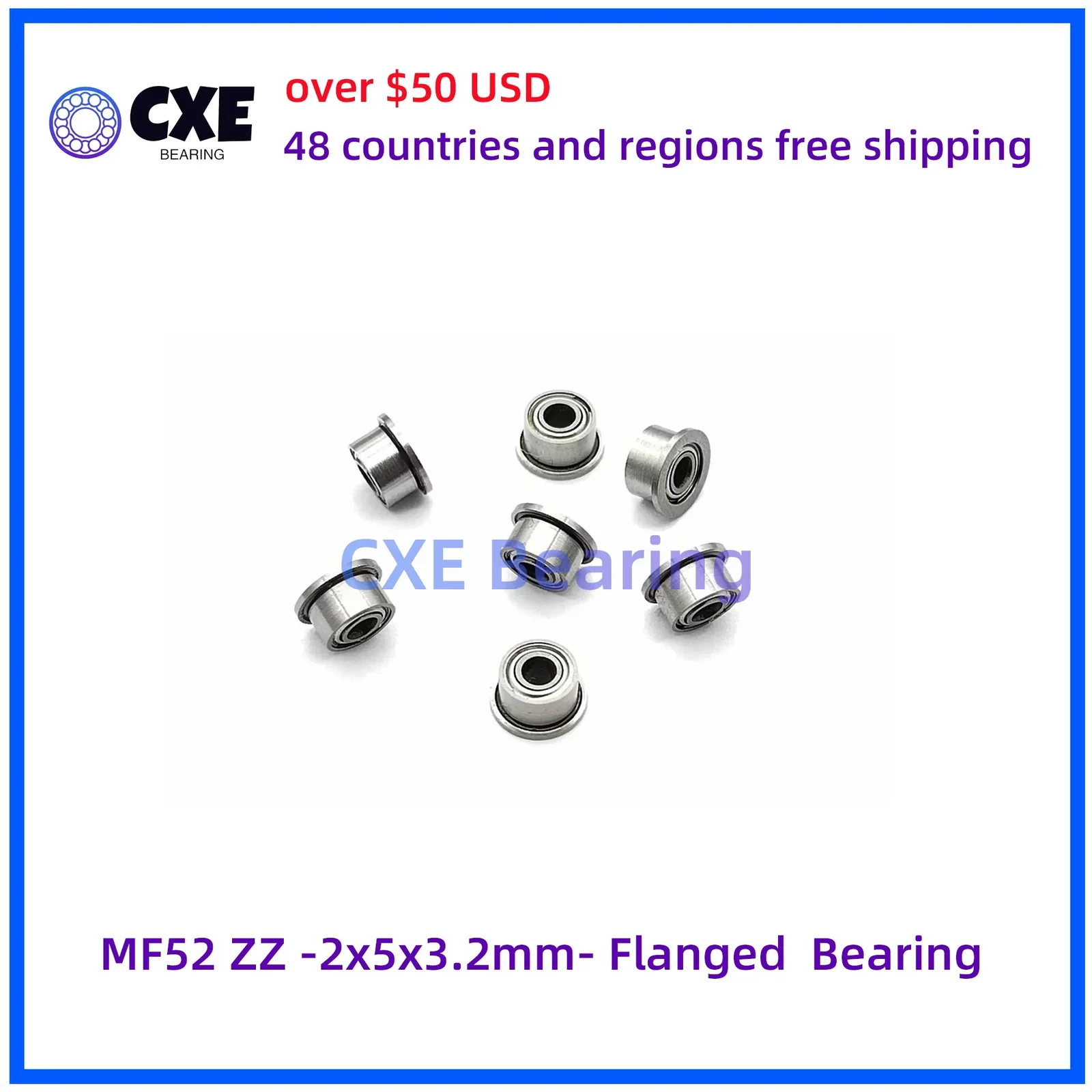
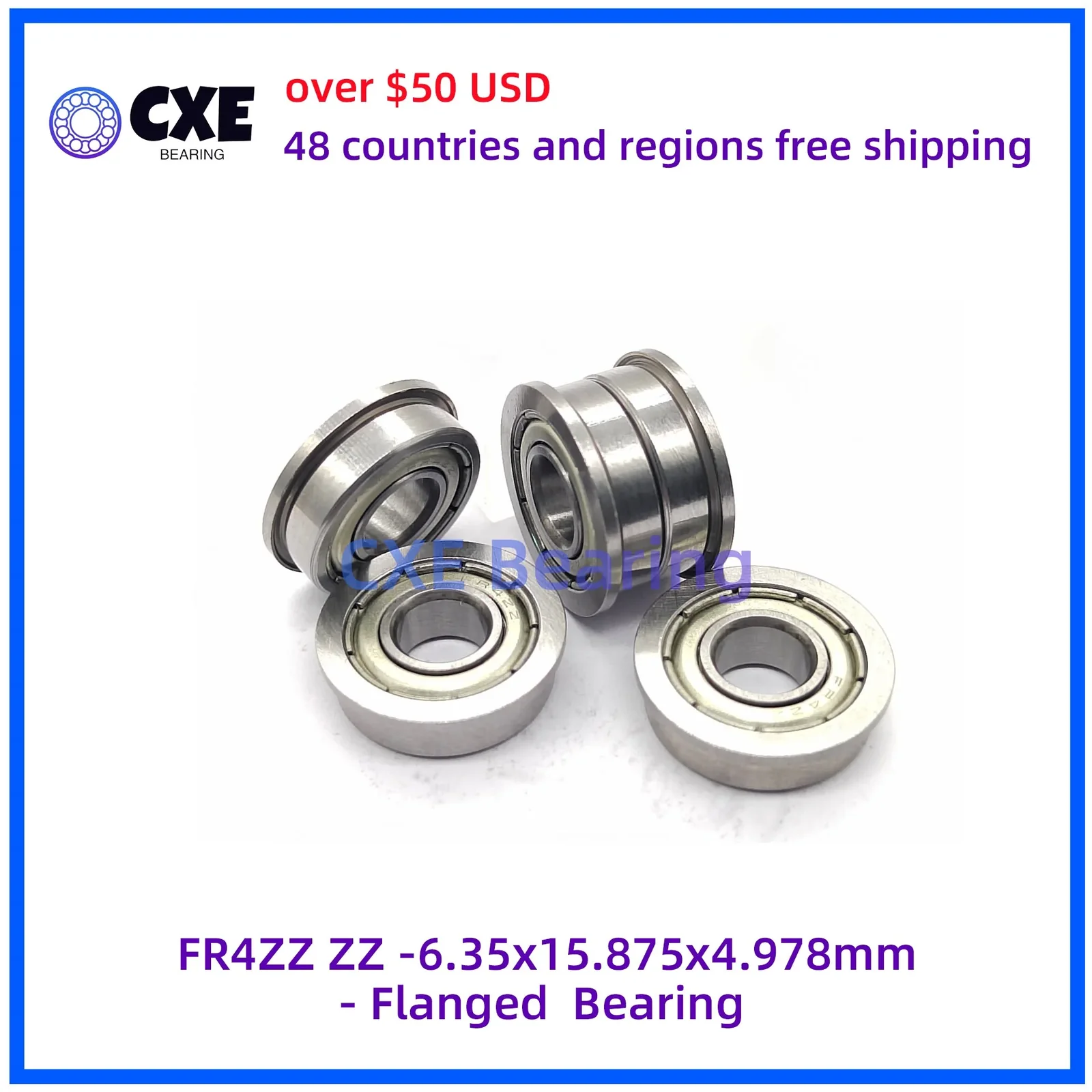
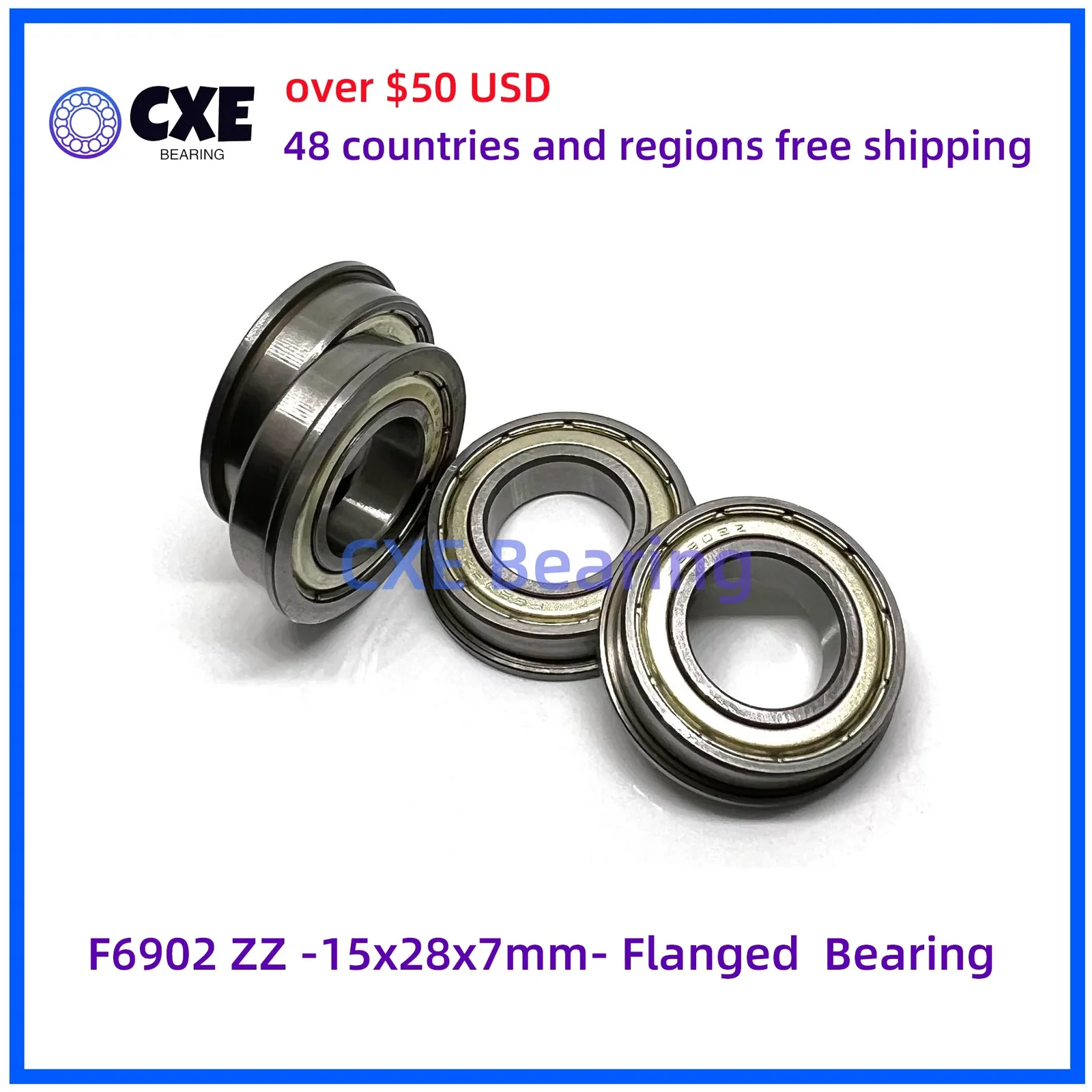
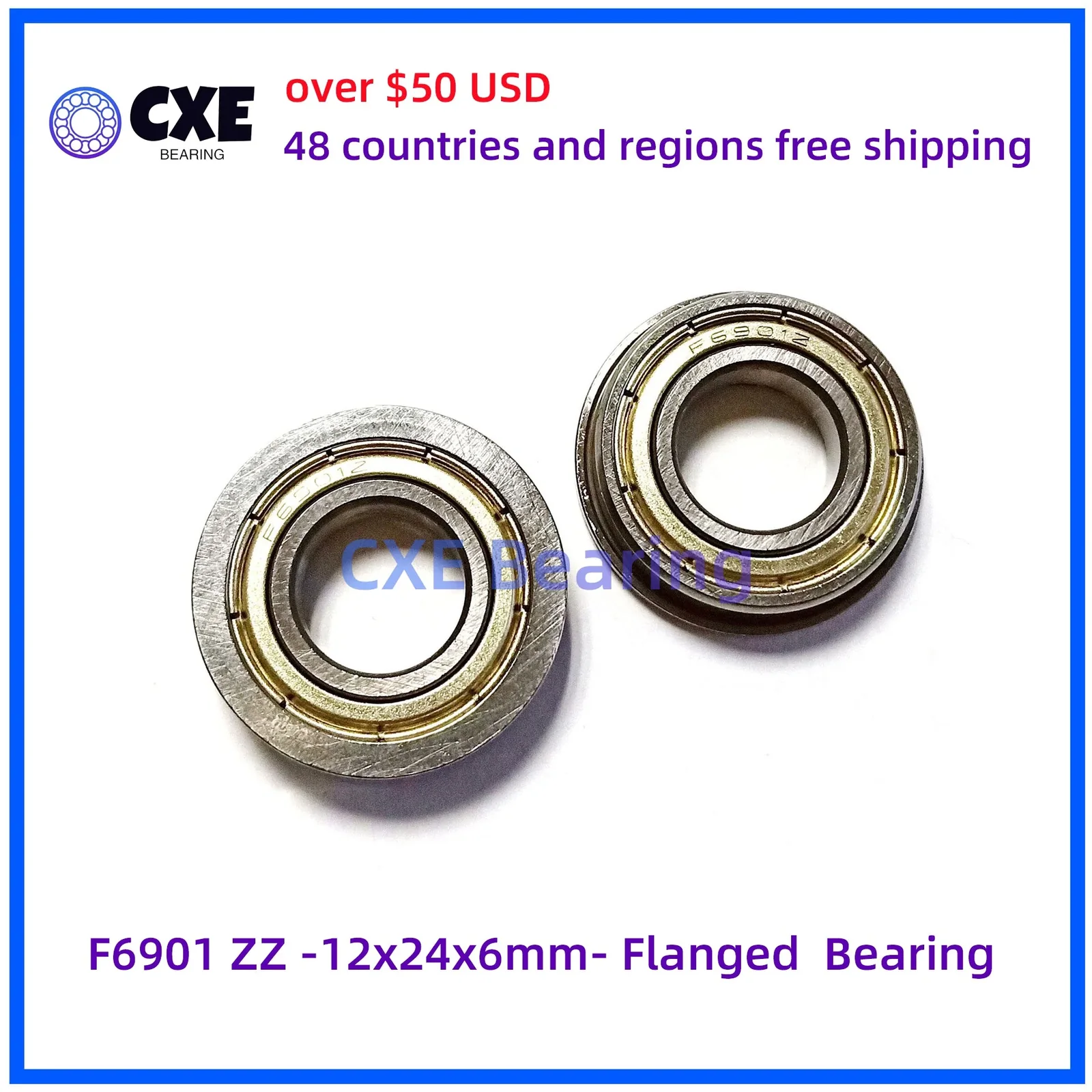
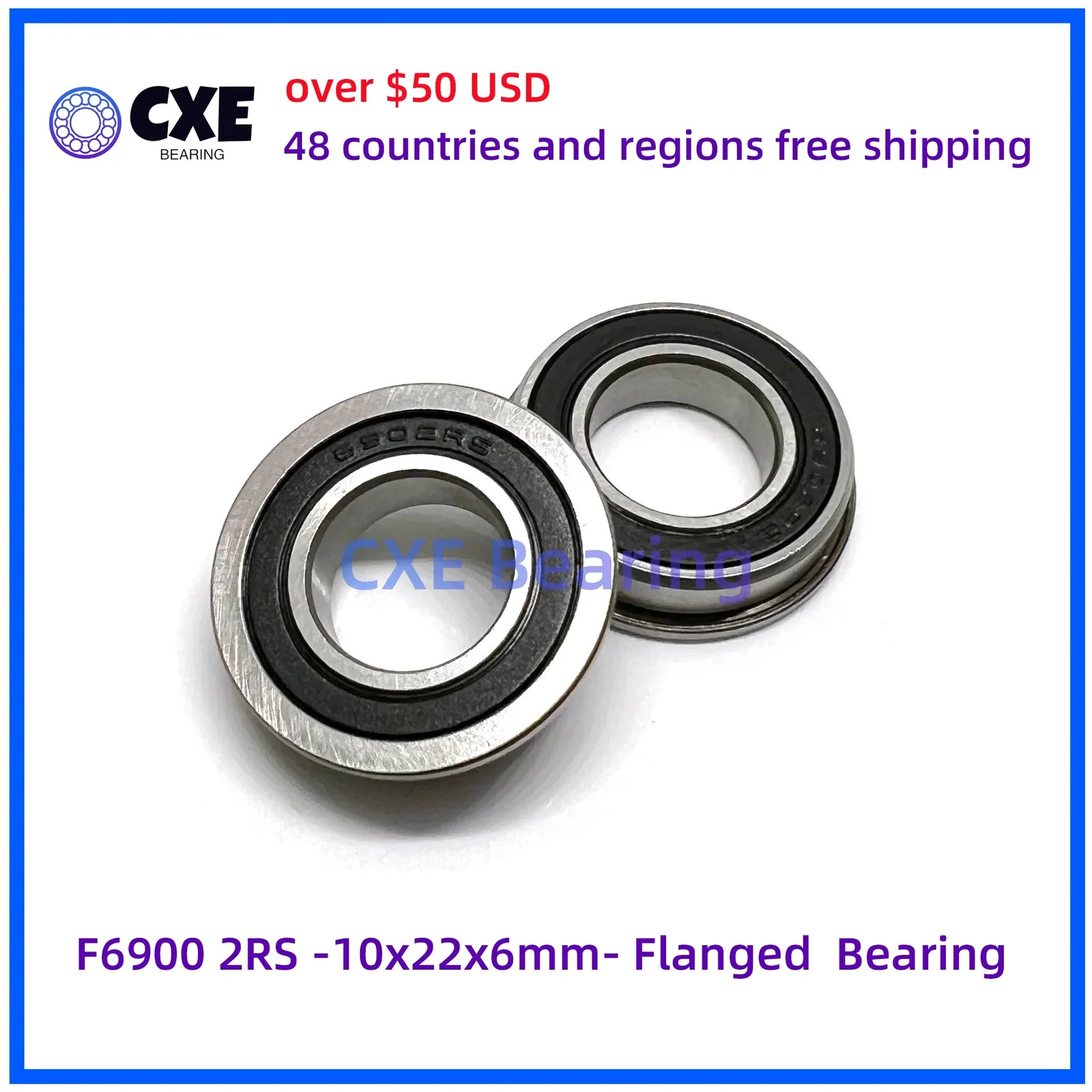
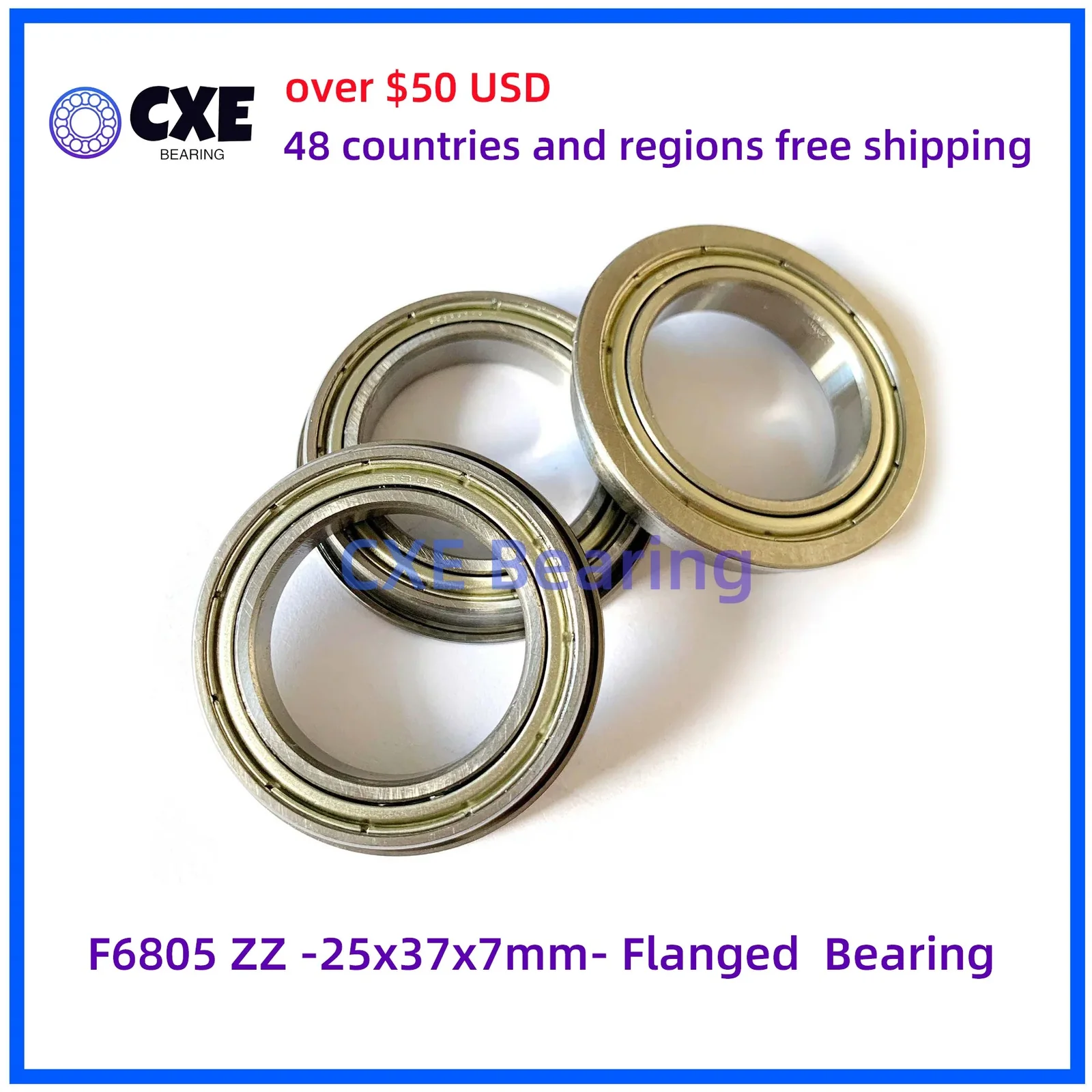
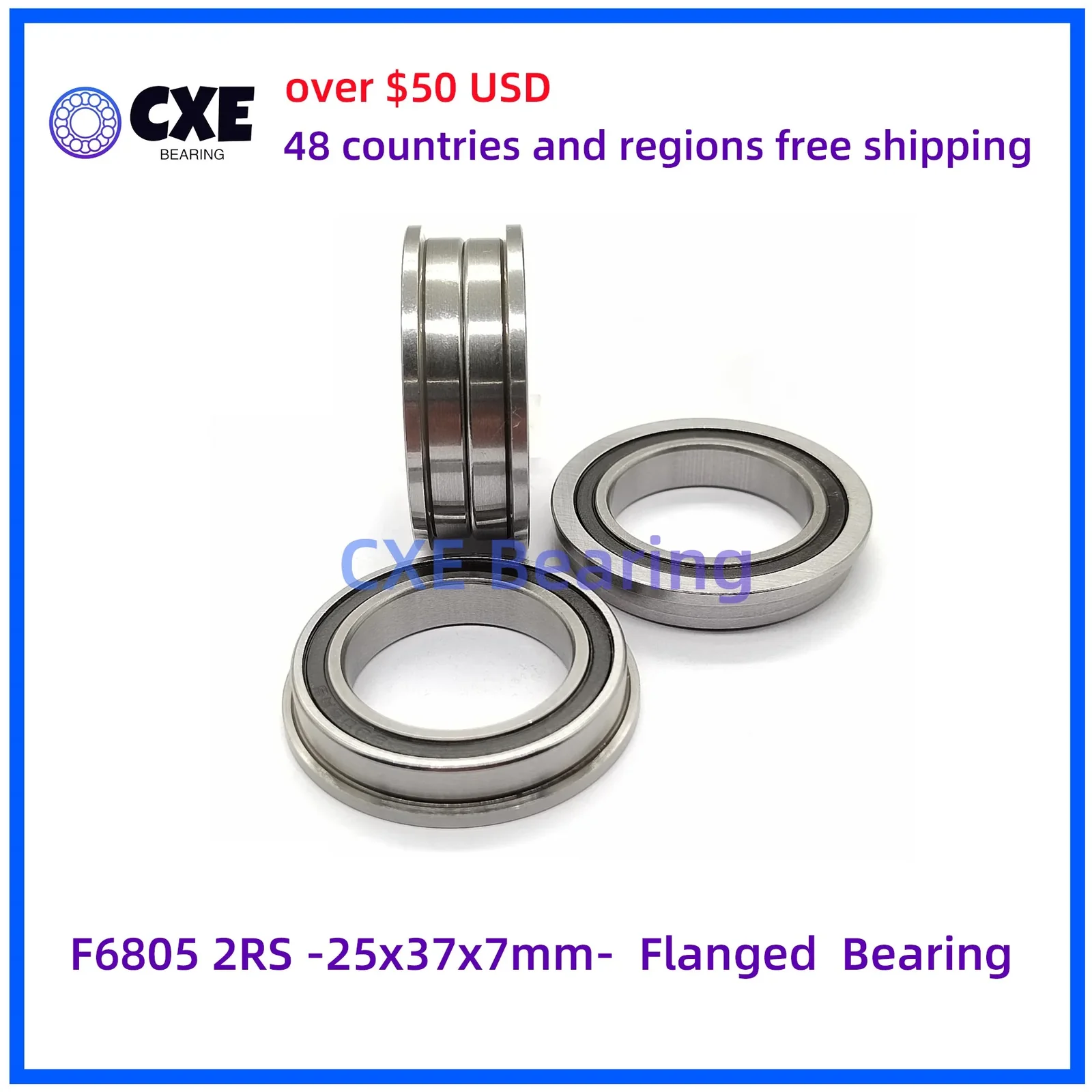
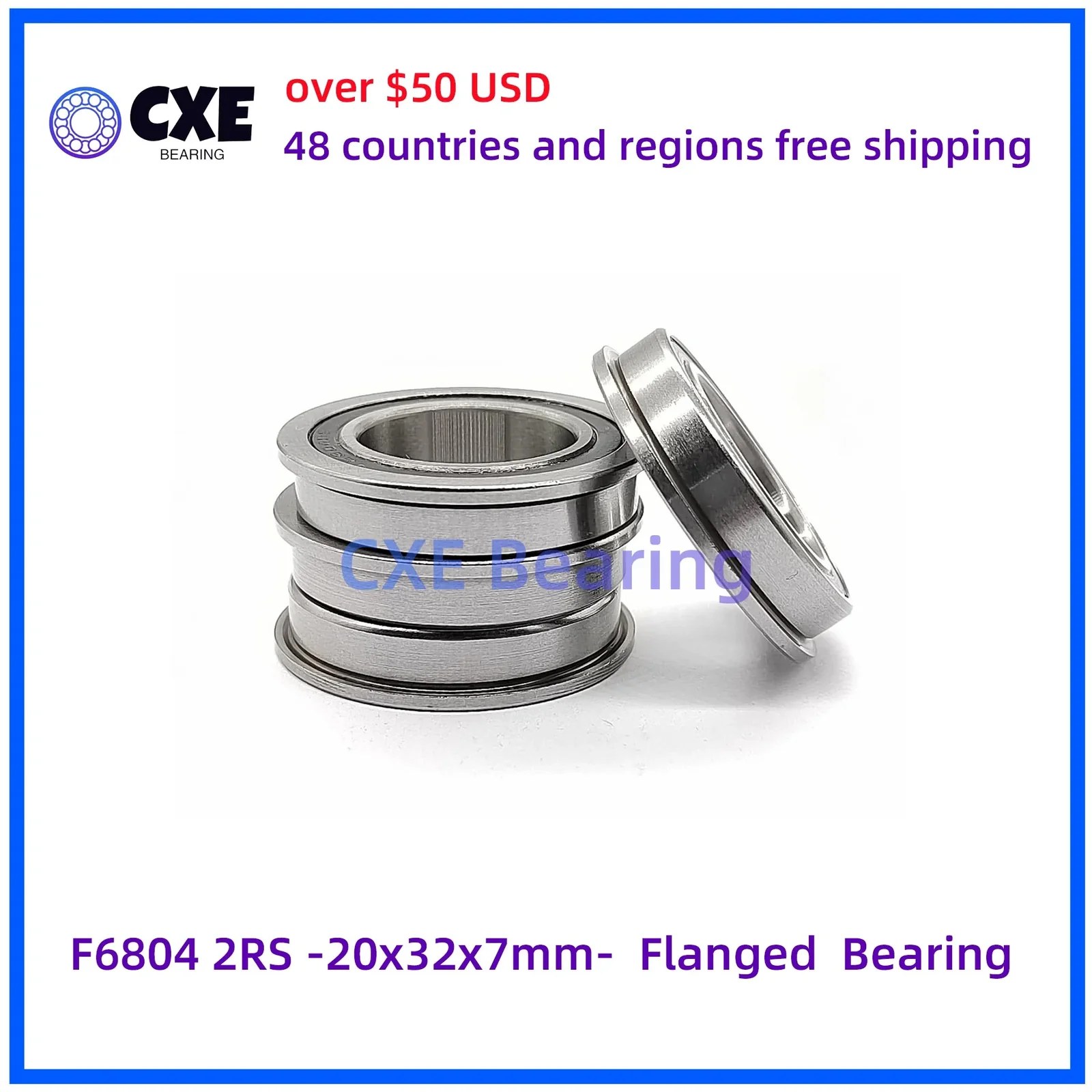
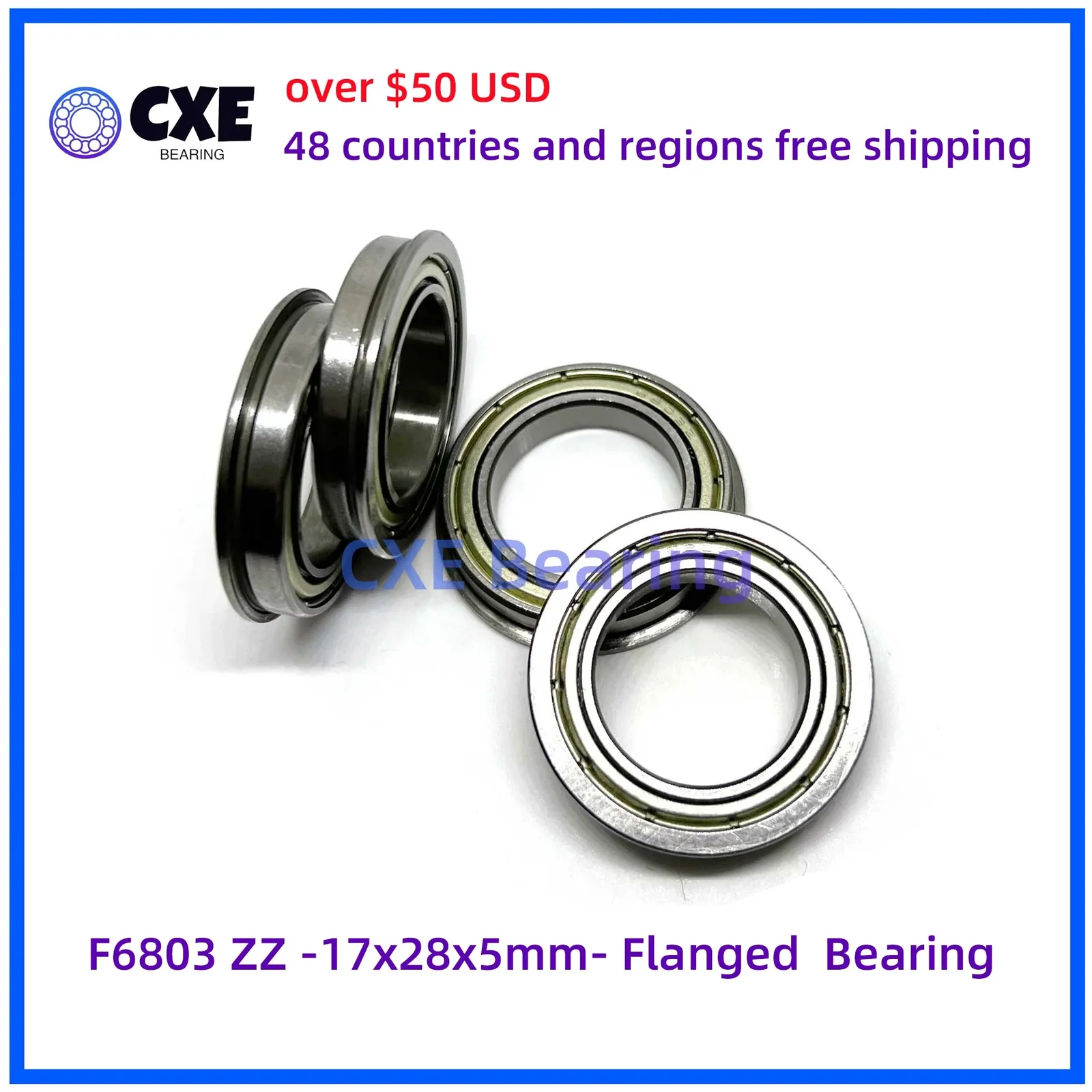
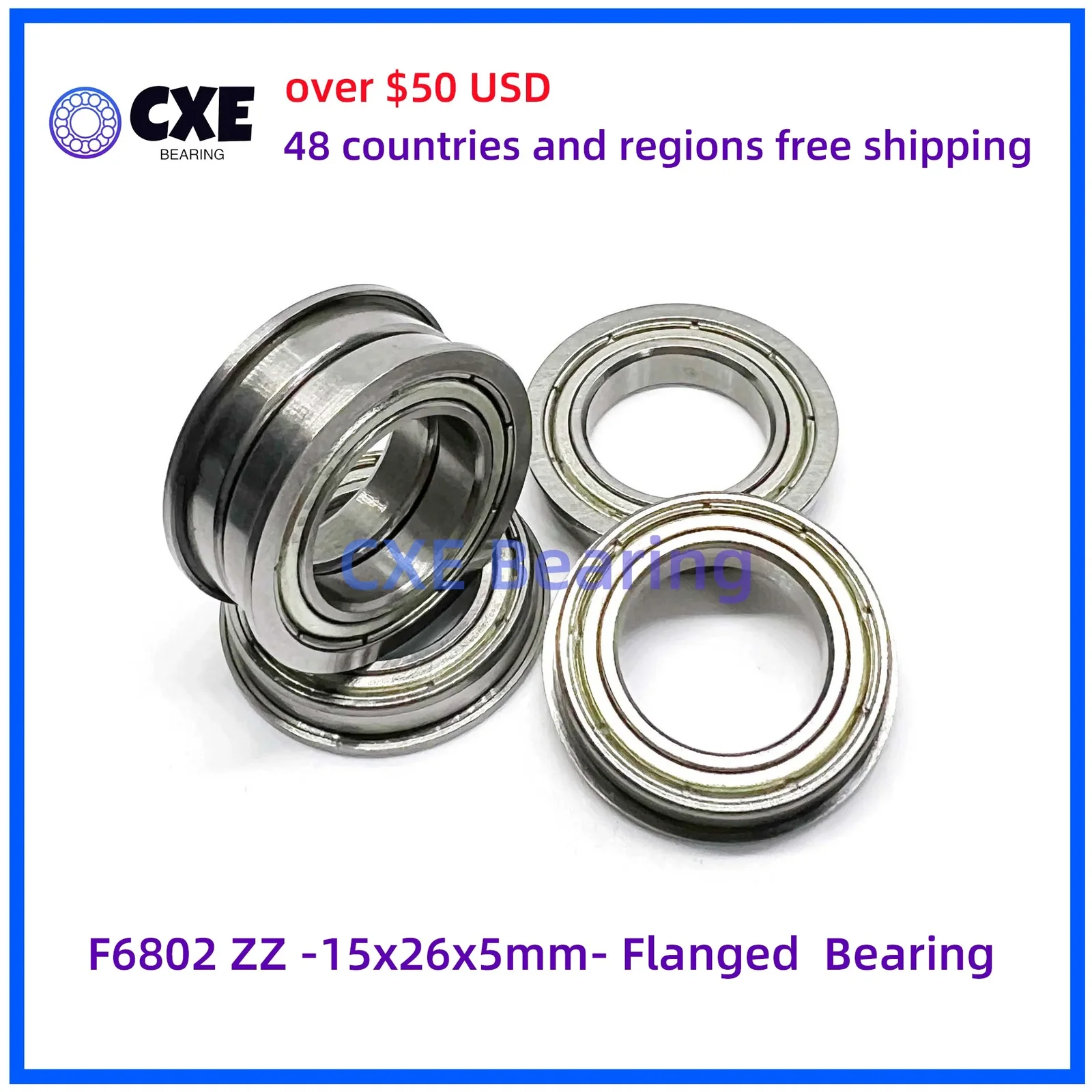
Related Collection Types
Technical Guide Materials, applications, selection notes, and internal reference links for this collection.
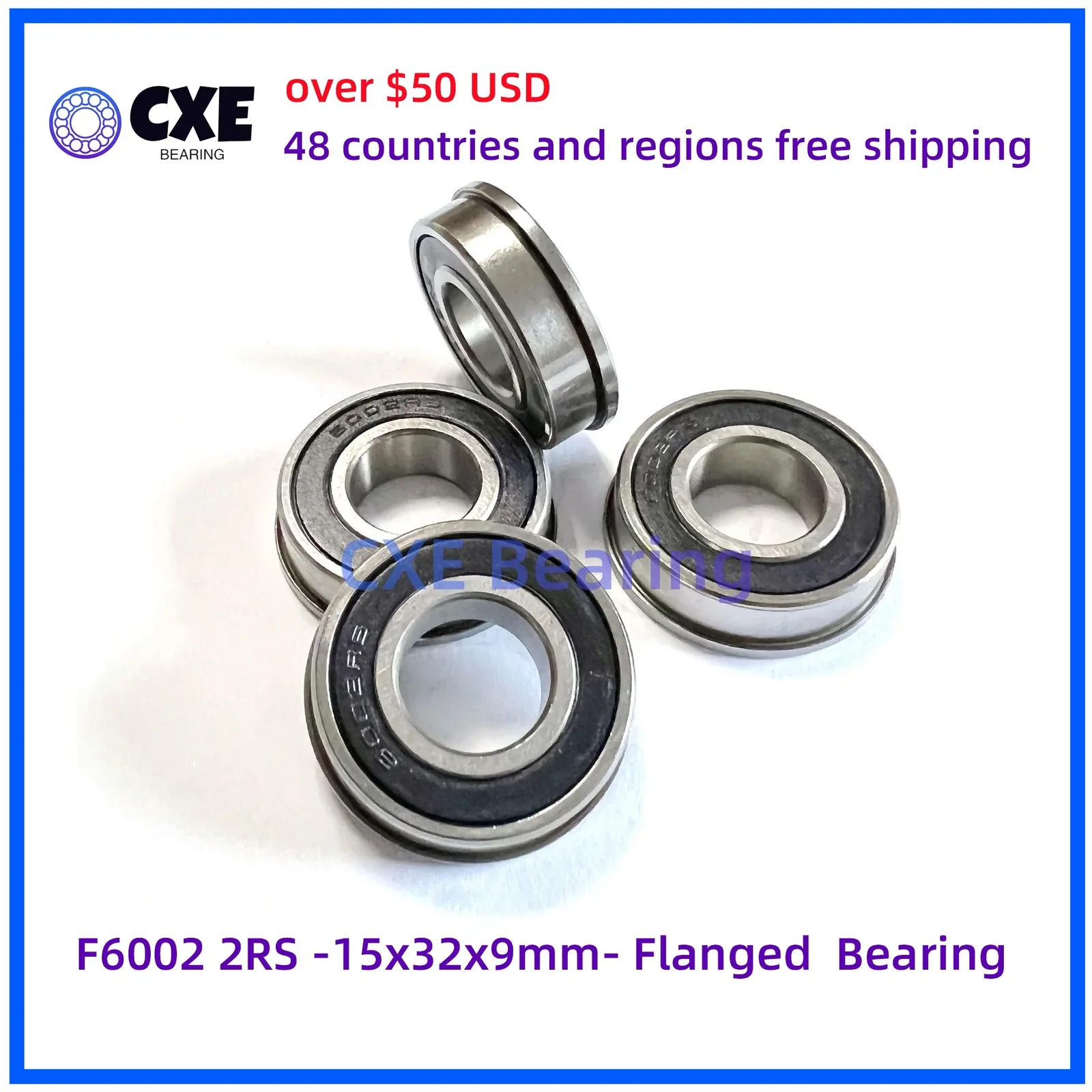
Flange bearings help locate a bearing axially, simplify mounting, or hold a compact rotating part in a fixed position. The flange may be part of a miniature ball bearing, a radial bearing, a mounted unit, or a specialty guide component. For buyers, the key is to match the flange style and dimensions to the shaft, housing, plate, guide rail, or equipment frame rather than choosing only by bore size.
This collection is useful for compact equipment, guide rollers, small motors, automation fixtures, conveyors, packaging machinery, and replacement projects where the bearing must sit against a shoulder or panel. For related options, compare stainless flange ball bearings, metric ball bearings, deep groove ball bearings, stainless bearing units, and stainless pillow block bearings when the mounting method or environment changes.
What the Flange Does
The flange is a locating feature. It can prevent the bearing from moving through a plate, help align a wheel or roller, reduce the need for a separate shoulder, or make assembly easier in a compact design. In replacement work, the flange diameter, flange width, overall bearing width, and corner shape can matter as much as the bore and outside diameter.
A normal radial bearing may fit the shaft but still fail to locate the part correctly if the flange is missing. On the other hand, a flanged bearing should not be used as a shortcut if the housing needs a different support method, if the shaft is misaligned, or if the load path is too heavy for the bearing style.
Common Applications
Flange bearings are often reviewed for guide wheels, small conveyors, sliding doors, instruments, automation frames, packaging machines, printer and labeling equipment, small motors, and compact mechanical assemblies. Stainless flange designs may be reviewed where moisture or cleaning is present, while chrome steel or other material routes may be considered for general indoor machinery.
For mounted equipment, a flanged mounted unit may be more appropriate than a small flanged radial bearing. That difference matters because a bearing unit supports the shaft through a housing, while a flanged ball bearing is usually a compact bearing with a locating rim. If the bearing is attached to a machine frame or plate, photos of the full mount help avoid confusion.
How to Choose a Flange Bearing
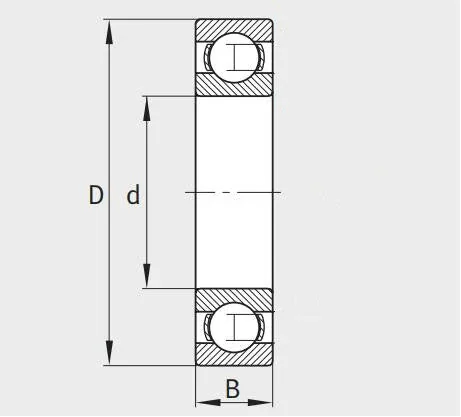
Start by measuring the bore, outside diameter, total width, flange outside diameter, flange thickness, and any shoulder or groove that controls how the bearing seats. If the bearing has seals or shields, record the suffix and send clear photos. If the old bearing came from a roller, pulley, wheel, or guide assembly, measure the whole component, not only the loose bearing.
Next, define the material and environment. Chrome steel may be suitable for clean, lubricated indoor equipment. Stainless steel may be reviewed where rust resistance is more important. Plastic or coated options may be considered when low noise, non-marking contact, or light-duty corrosion resistance is the reason for the change.
Common Buying Mistakes
- Ordering by bore size only and missing flange diameter or total width.
- Treating every flanged bearing as a mounted bearing unit.
- Replacing a shielded bearing with an open bearing in a dirty guide position.
- Ignoring axial location, so the replacement moves in the housing or wheel.
- Choosing stainless only for appearance without explaining the actual moisture or cleaning exposure.
RFQ Checklist
For a flange bearing RFQ, send the old bearing number, bore x outside diameter x width, flange diameter, flange thickness, seal or shield type, material preference, application photo, load direction, speed range, and whether the flange locates the bearing in a plate, wheel, roller, or housing. If the bearing is part of a guide roller or conveyor assembly, include photos from the side and front so the flange position is clear.
RFQ Guidance
Use the product table below to compare related CXE Bearing products by model, dimensions, material, seal type, and application requirement. If the existing bearing is worn, noisy, or loose in the mount, include photos of the shaft and housing condition with the RFQ.