
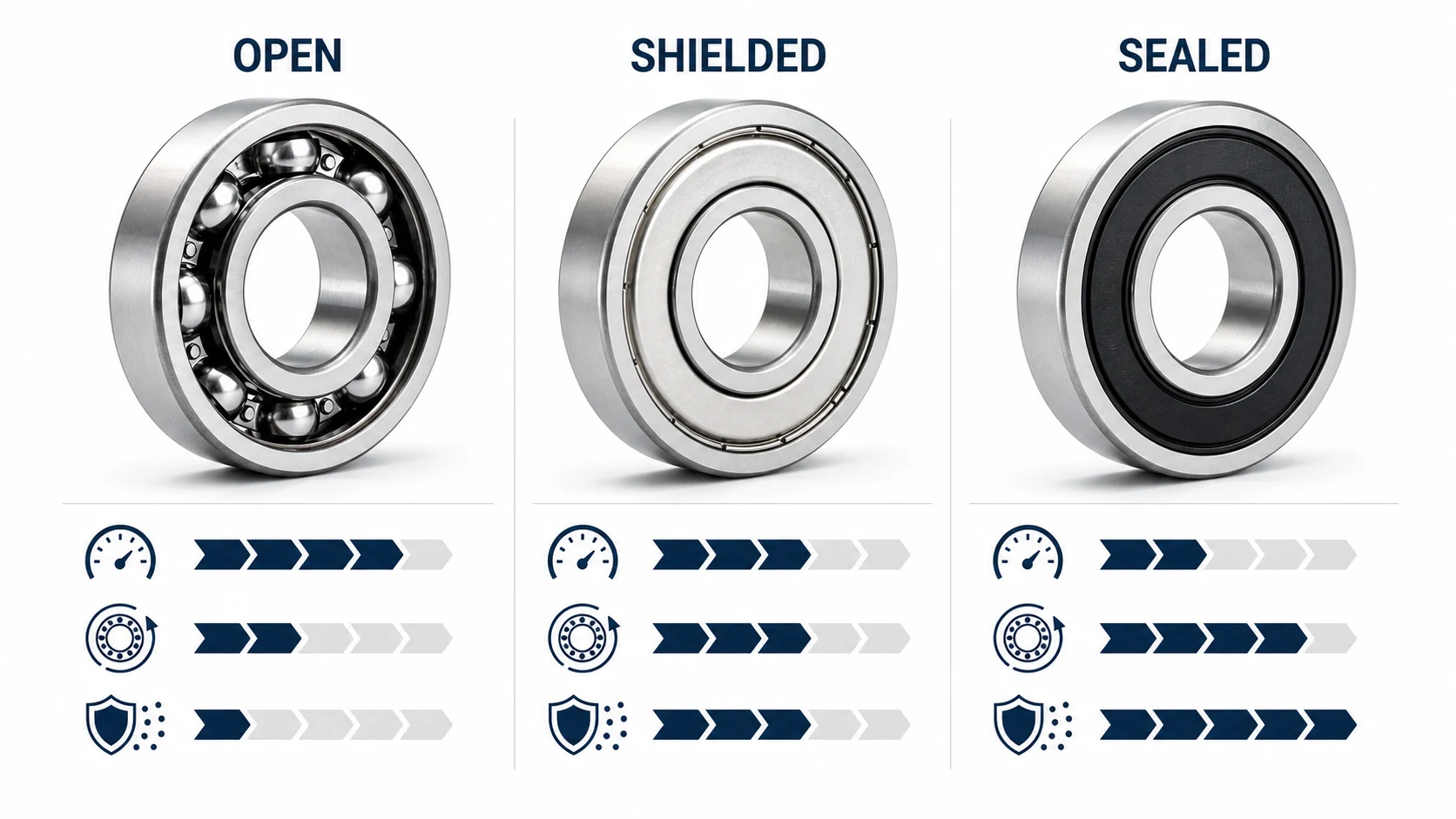
Deep Groove Ball Bearings Overview
Compare representative CXE Bearing products by dimensions, material, and seal type. Use the left navigation to switch collections without returning to the catalog home.
Products In This Collection
Browse all matching CXE Bearing products in this collection. Each row shows dimensions, material, seal type, public reference price, and the fastest RFQ path.
121-240 / 344 products
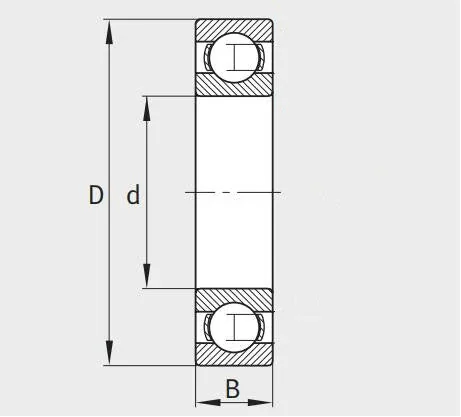
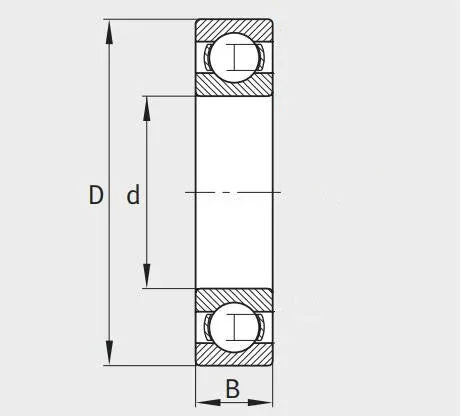
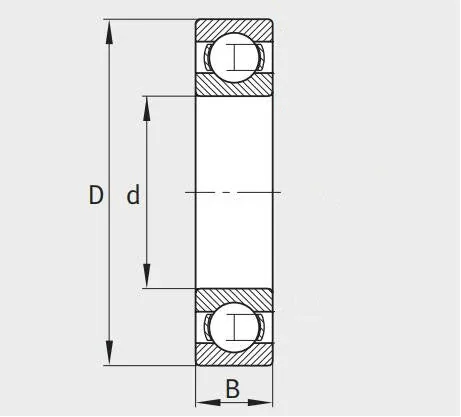
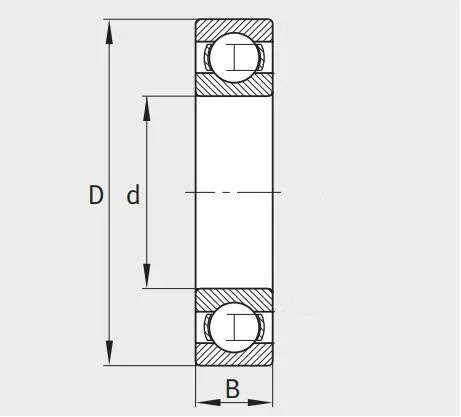
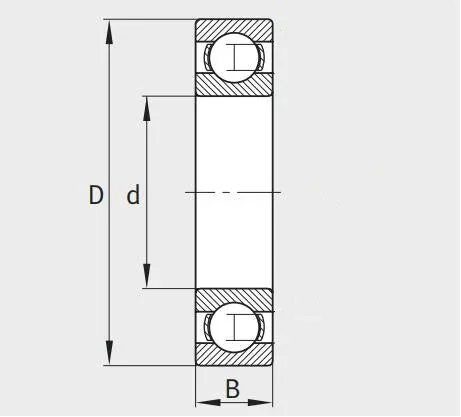
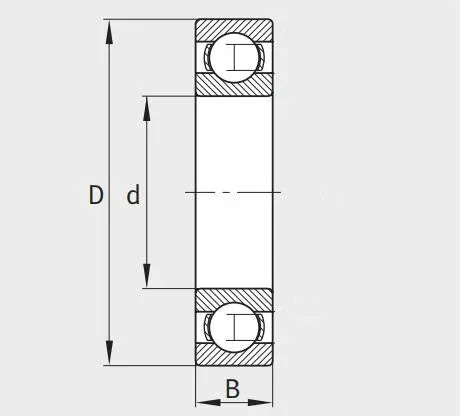
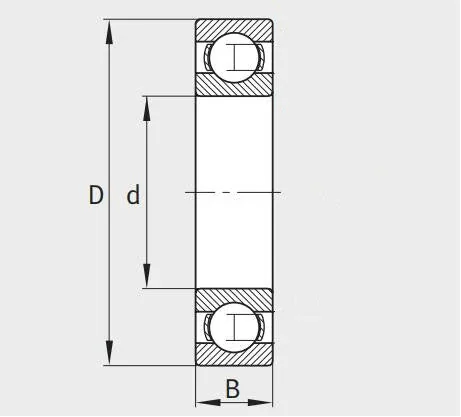
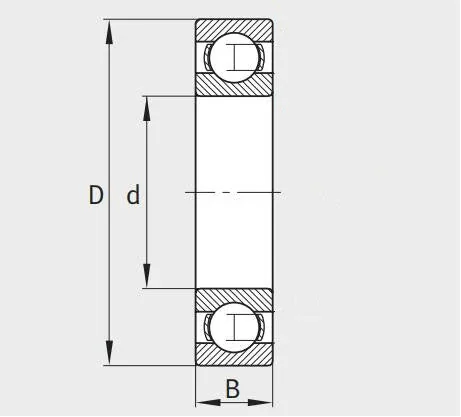
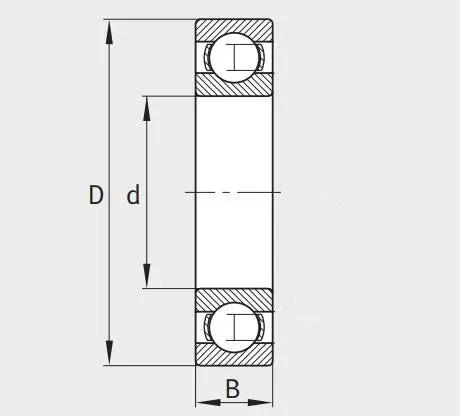
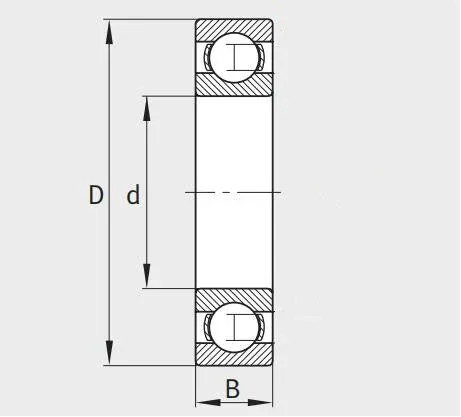
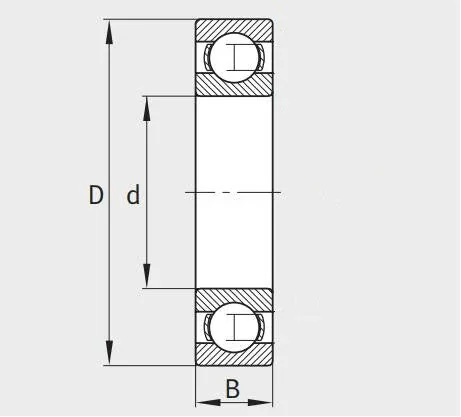
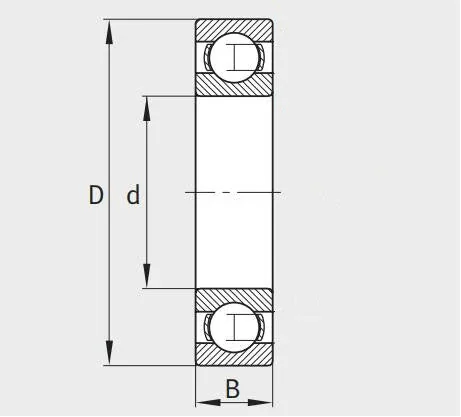
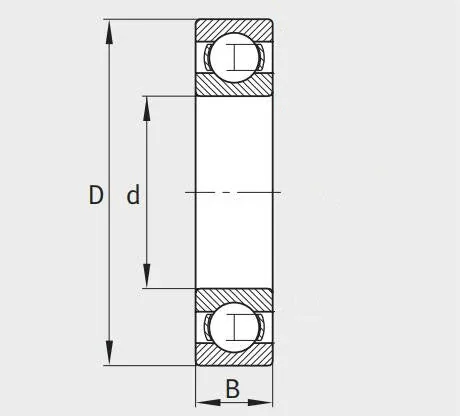
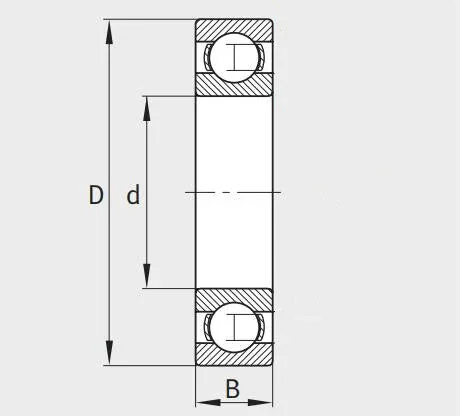
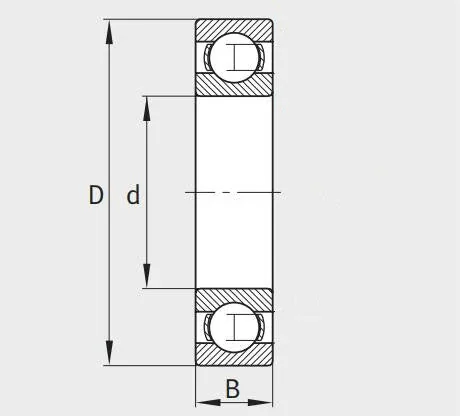
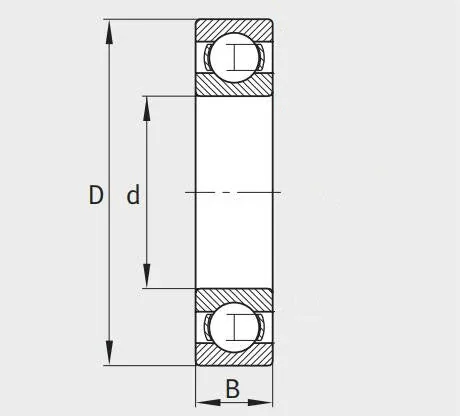
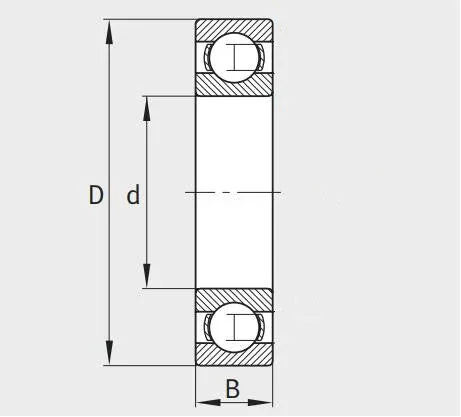
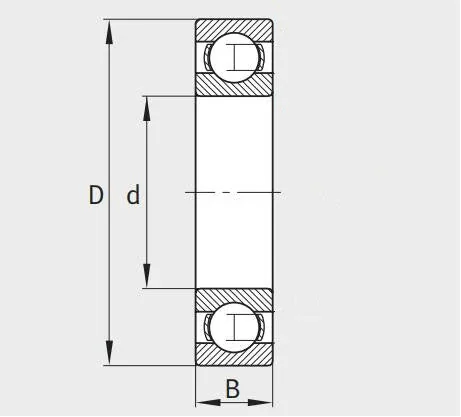
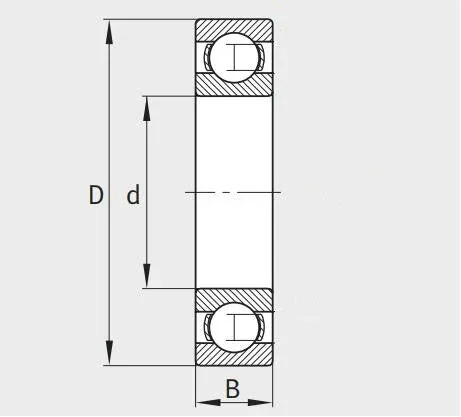
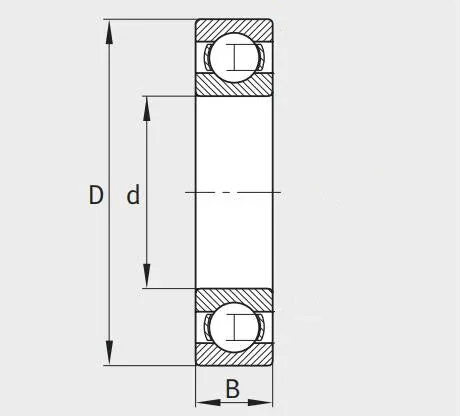
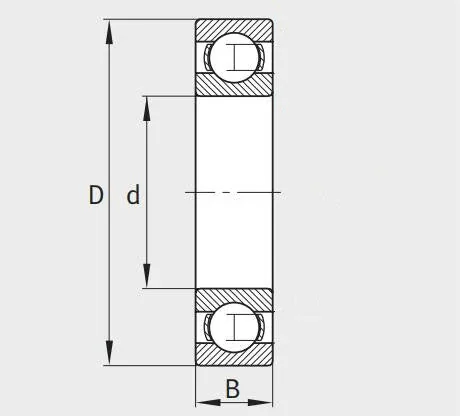
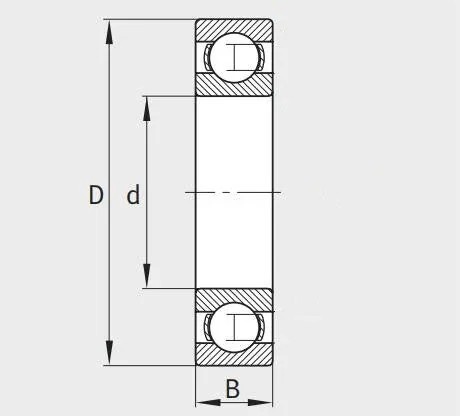
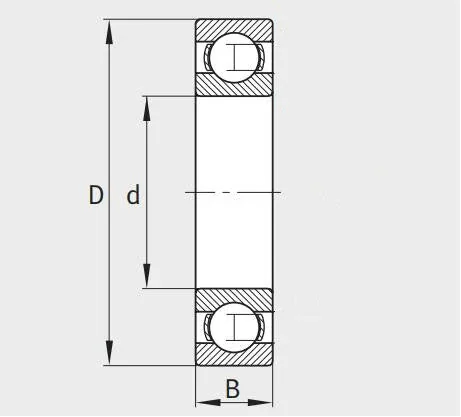
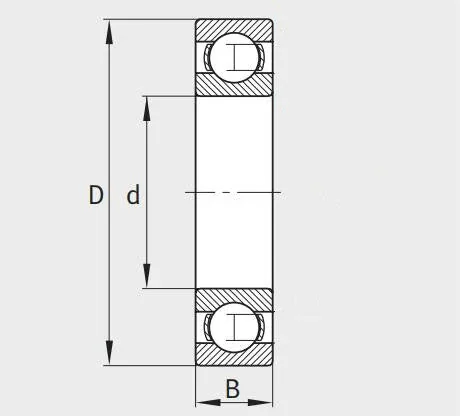
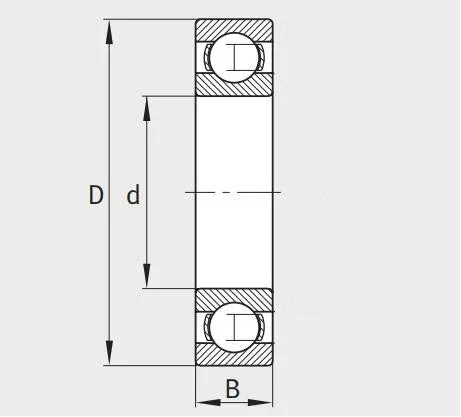
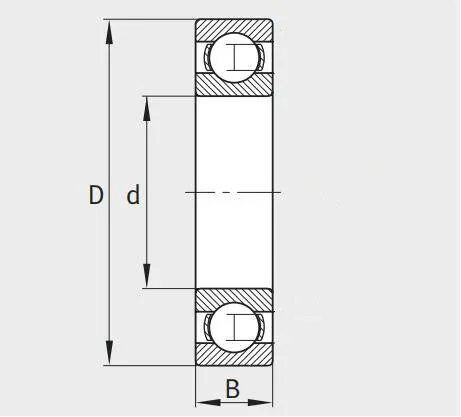
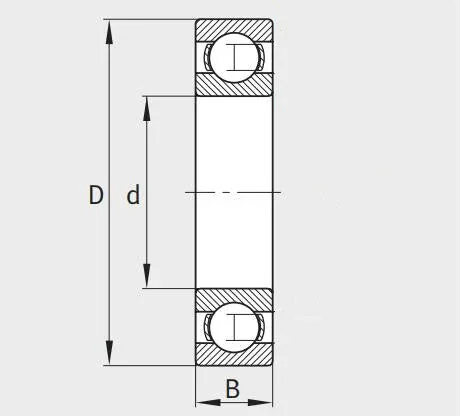
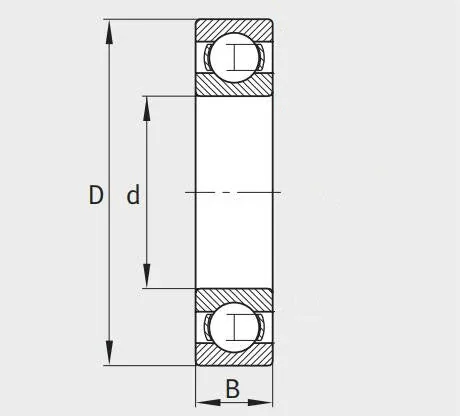
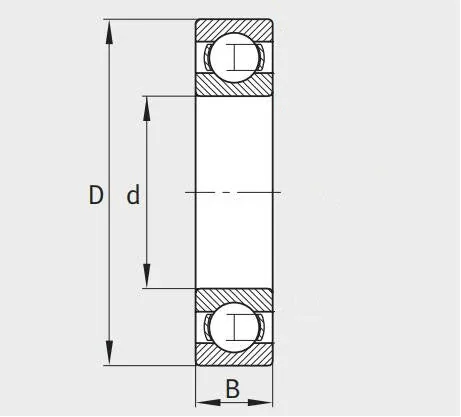
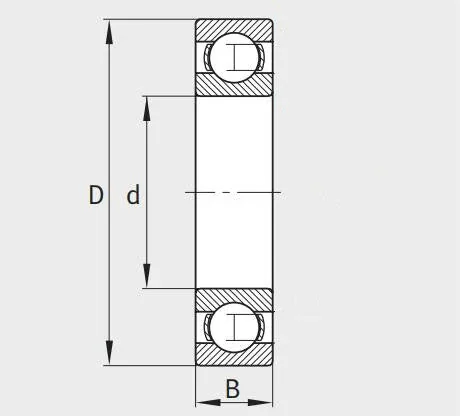
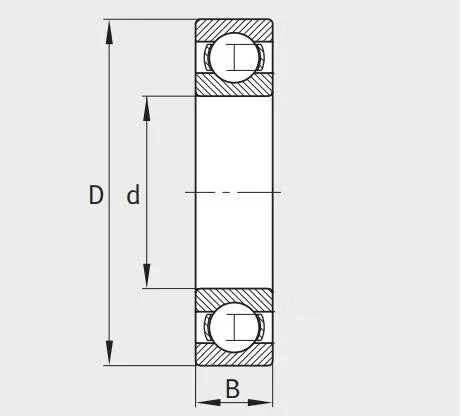
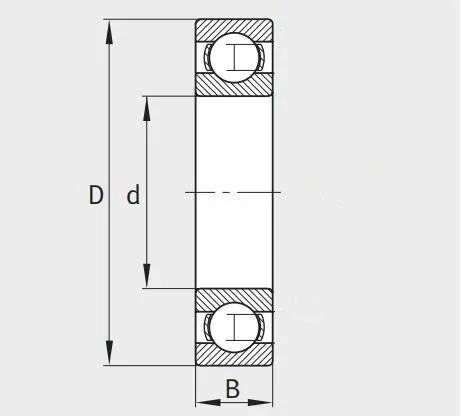
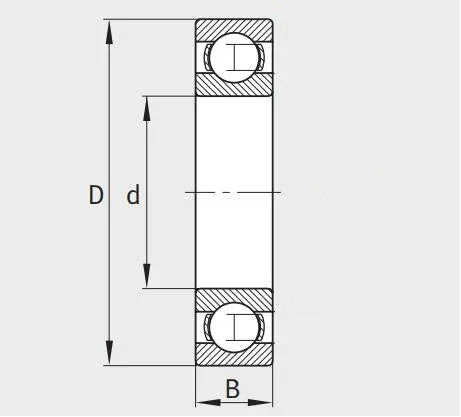
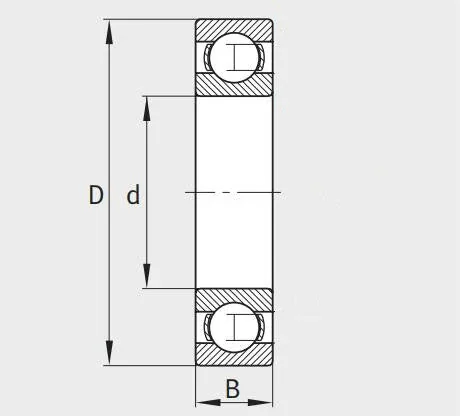
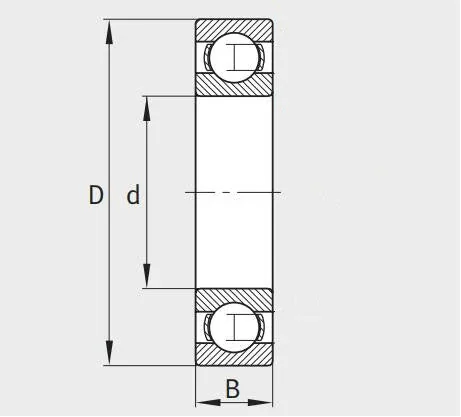
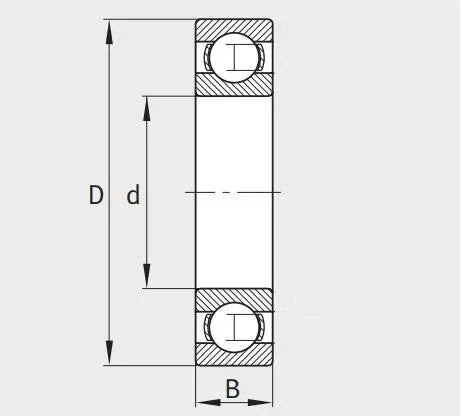
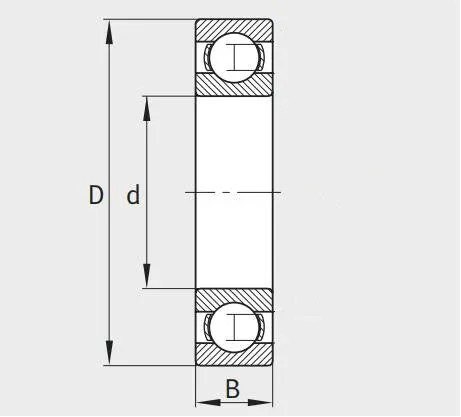
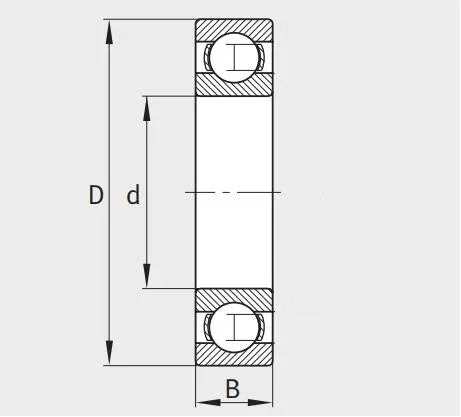
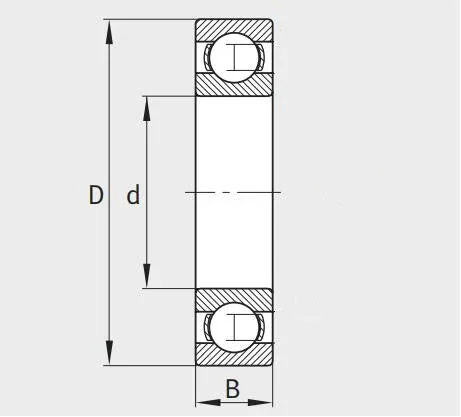
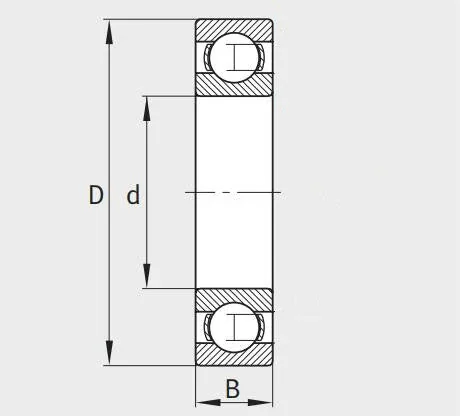
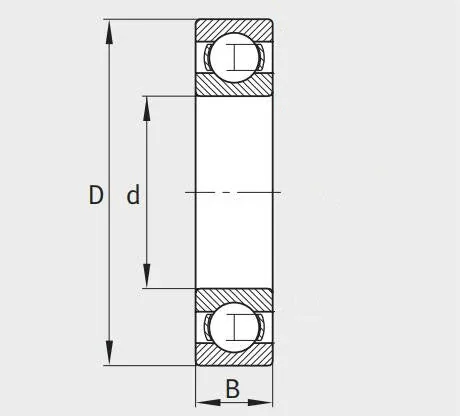
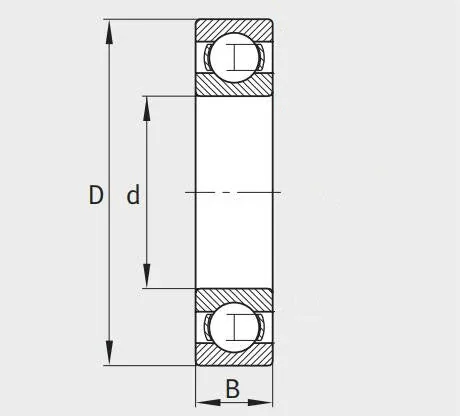
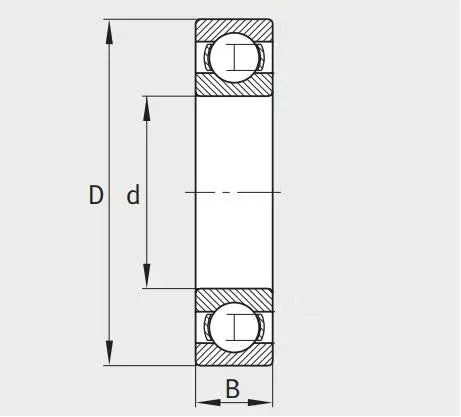
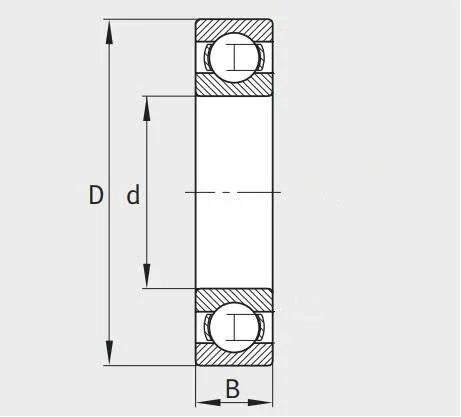
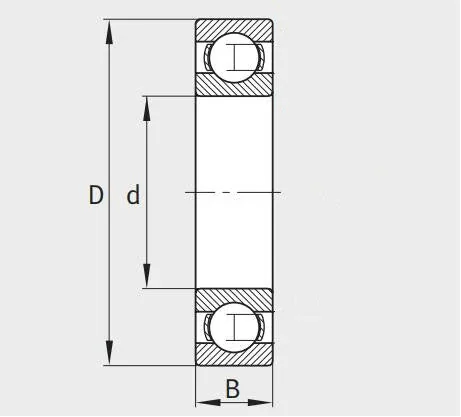
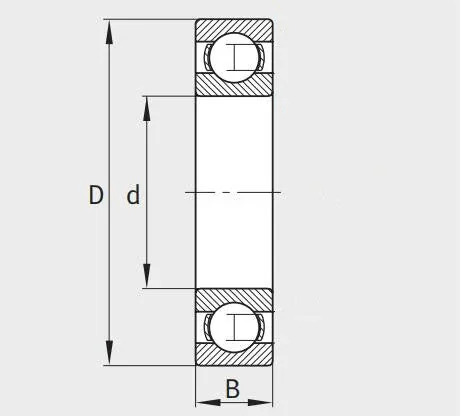
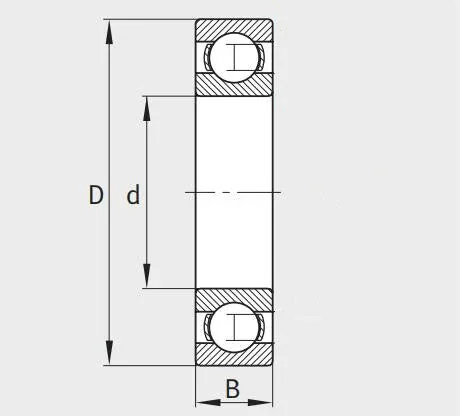
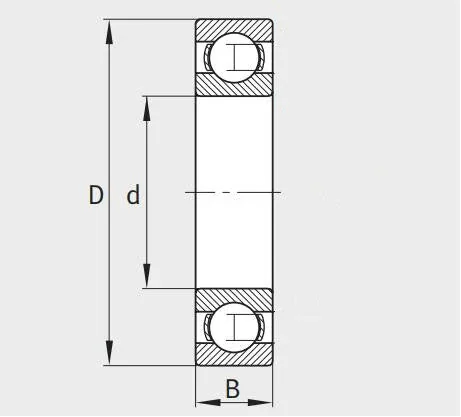
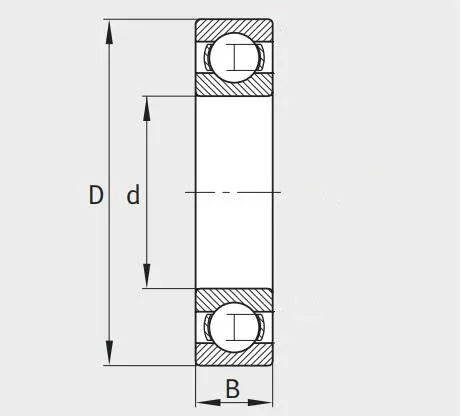
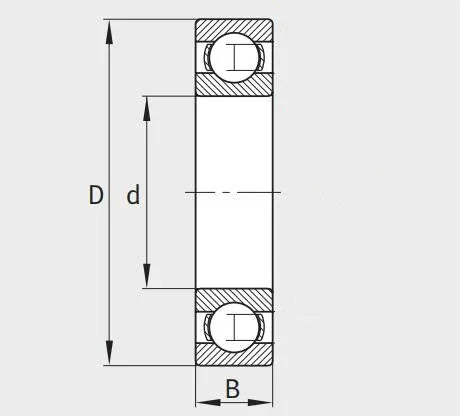
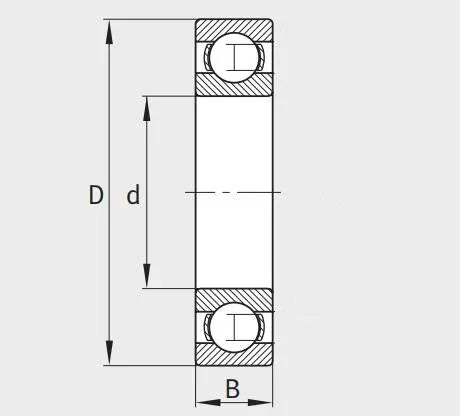
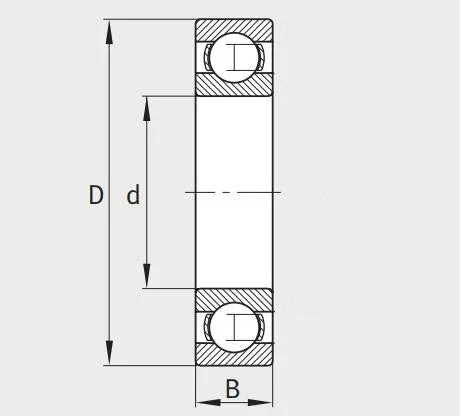
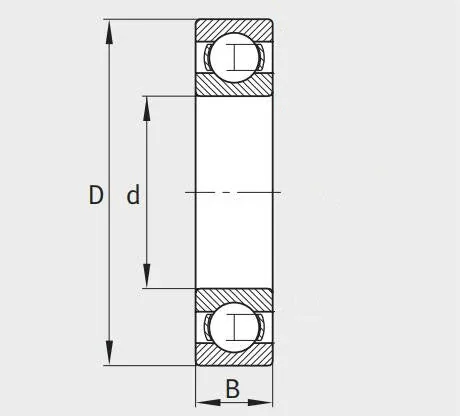
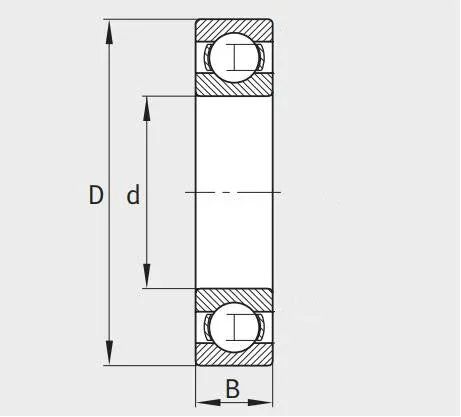
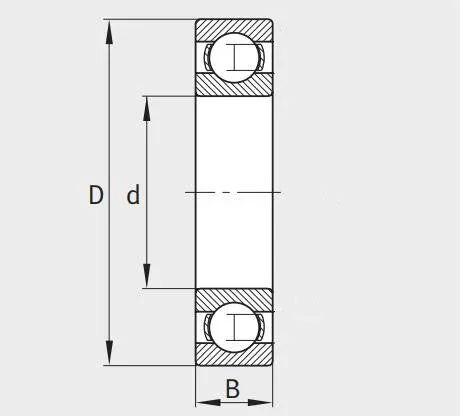
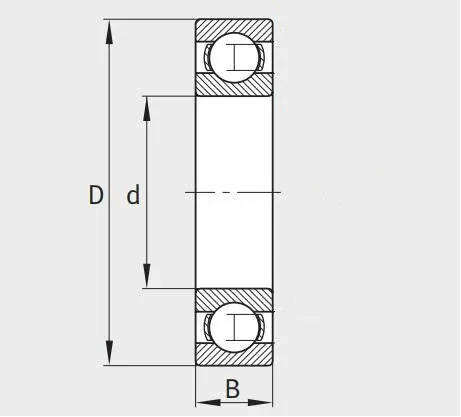
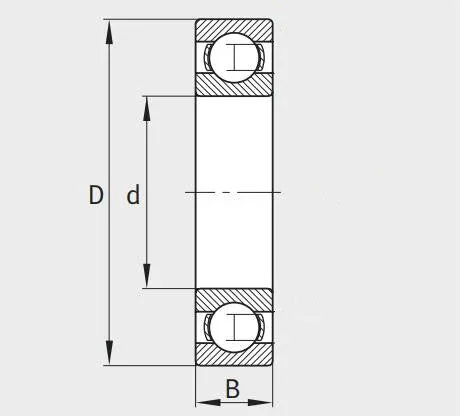
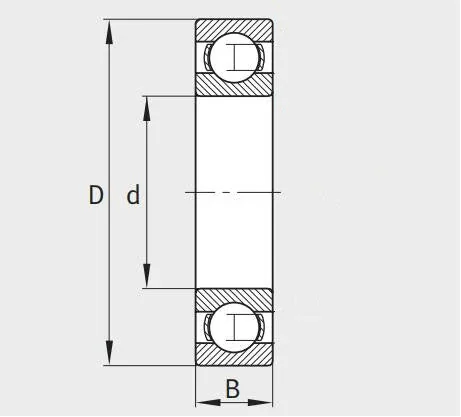
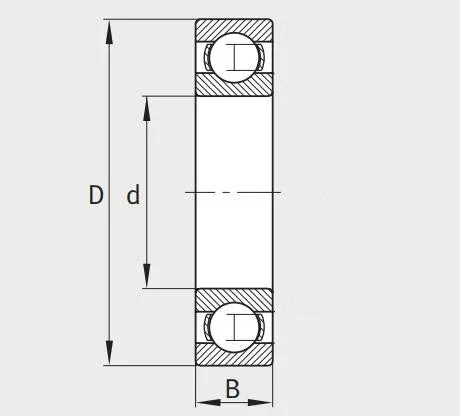
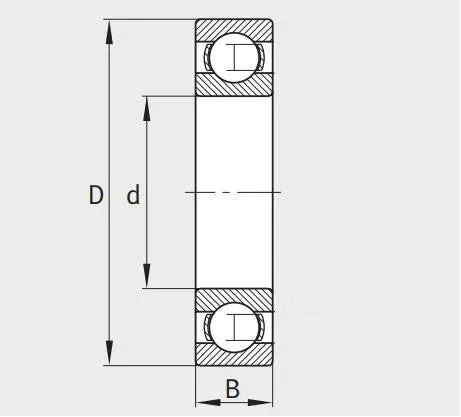
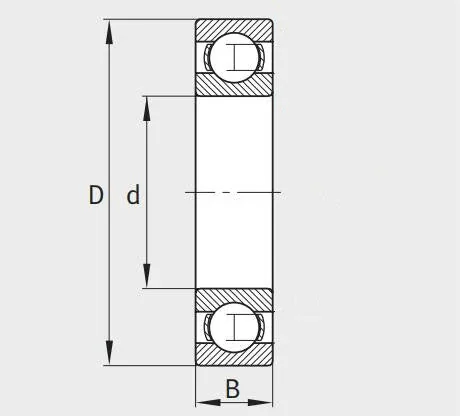
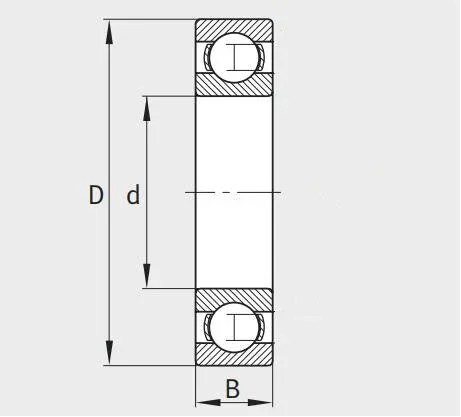
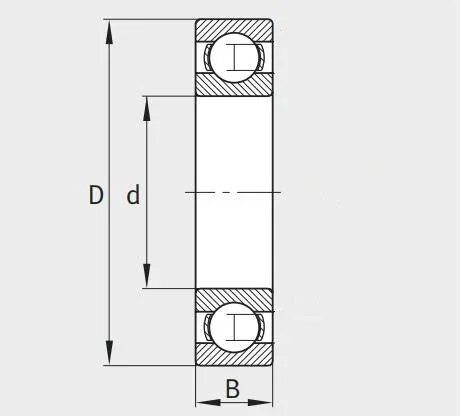
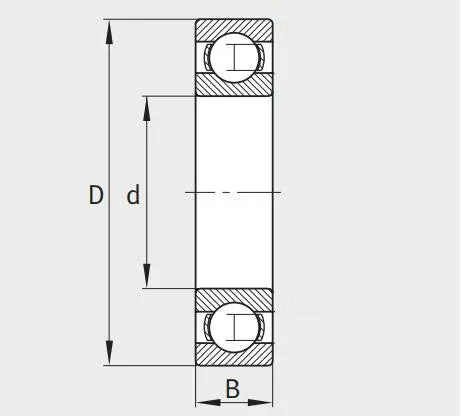
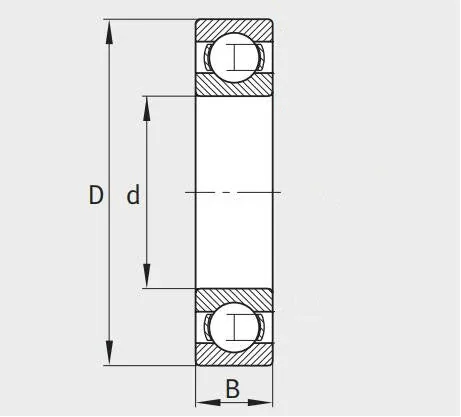
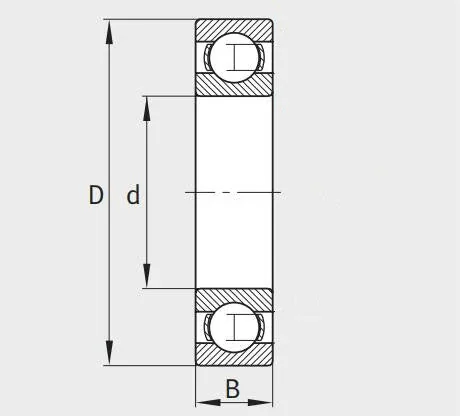
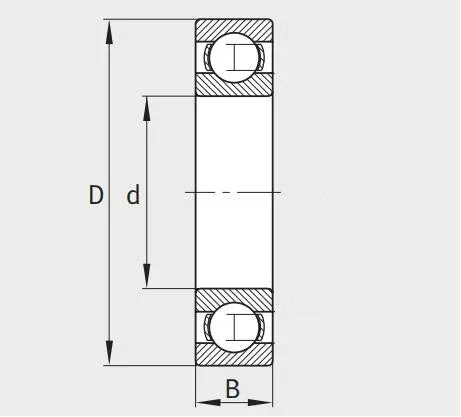
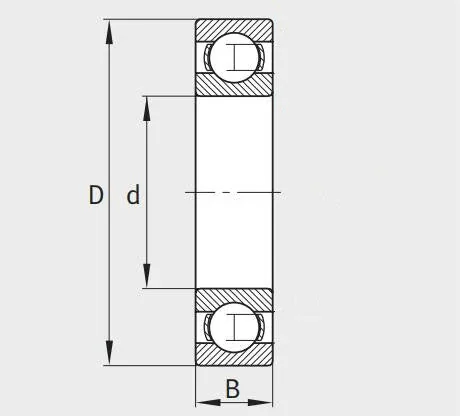
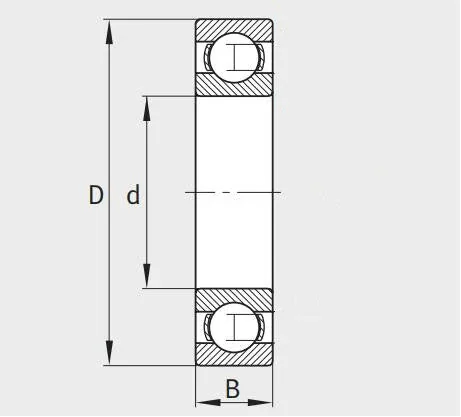
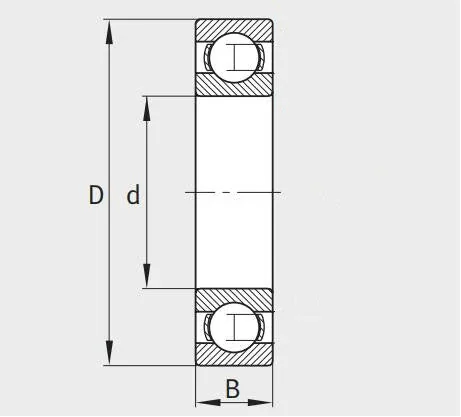
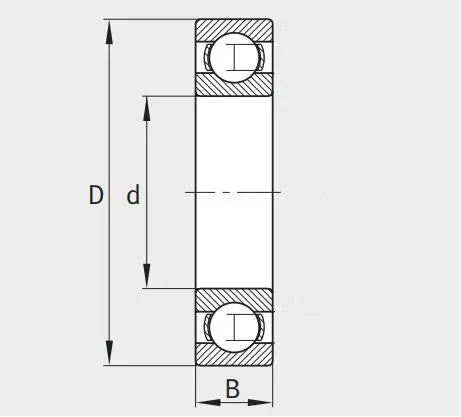
Related Collection Types
Technical Guide Materials, applications, selection notes, and internal reference links for this collection.
Deep groove ball bearings are one of the most widely used bearing types for motors, pumps, fans, conveyors, rollers, appliances, instruments, and general rotating machinery. They are compact, efficient, easy to mount, and available in many standard metric and inch sizes.
CXE Bearing supplies deep groove ball bearings in open, shielded, sealed, stainless steel, miniature, thin-section, and high-speed options. Buyers can select by bearing number, bore size, outside diameter, width, seal type, clearance class, material, cage, lubrication, and application environment.
Use this collection when you need a radial ball bearing for smooth rotation, moderate load, high speed, and simple shaft support. If the application has heavy shock, severe misalignment, very high axial load, or strong thrust loading, review the bearing arrangement before choosing a standard deep groove bearing.
Deep Groove Bearing Options Buyers Usually Compare
| Open, ZZ, and 2RS Types - match speed, grease retention, and contamination level | 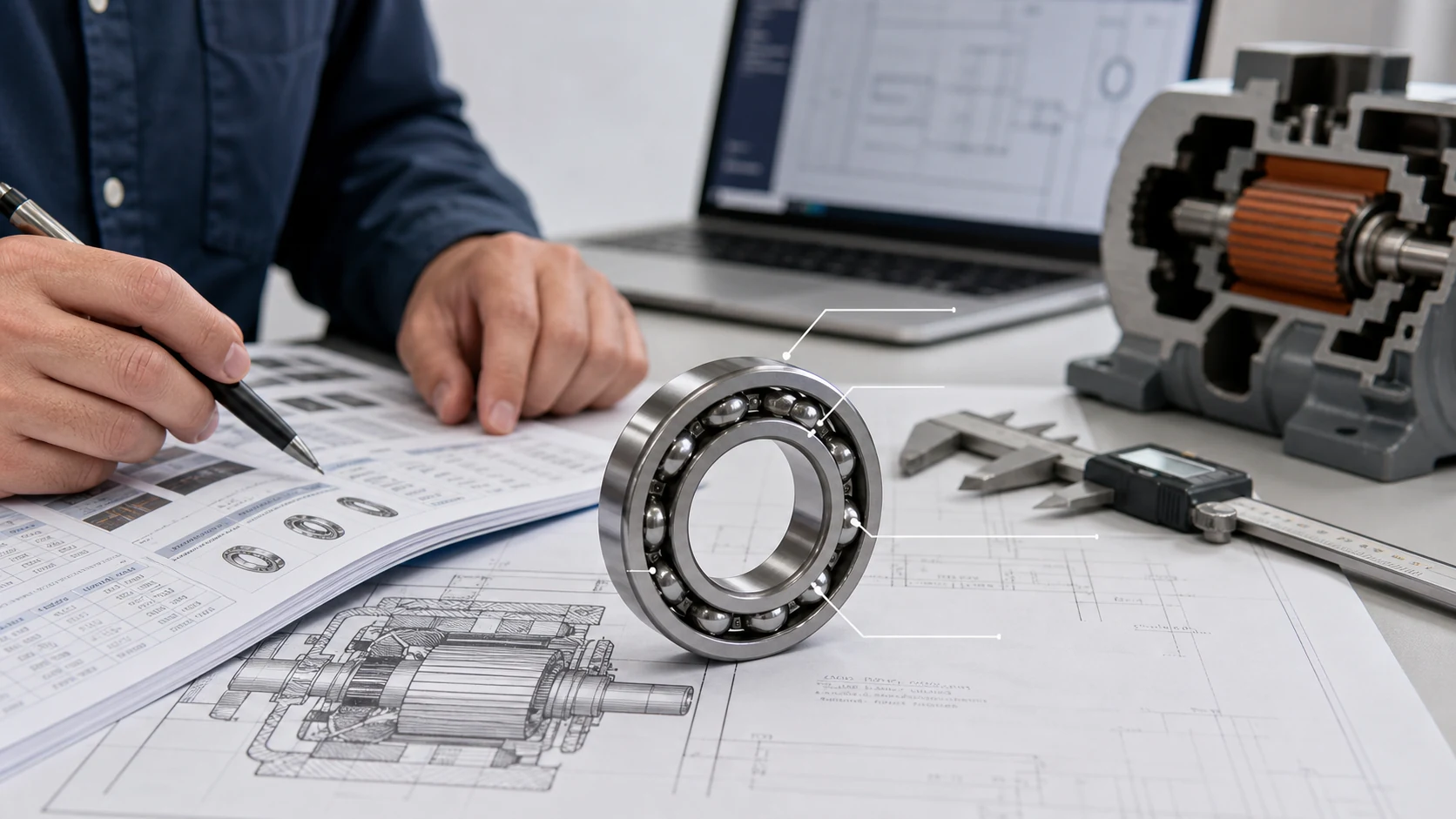 Selection Review - confirm model, fit, seal, load direction, and environment Selection Review - confirm model, fit, seal, load direction, and environment |
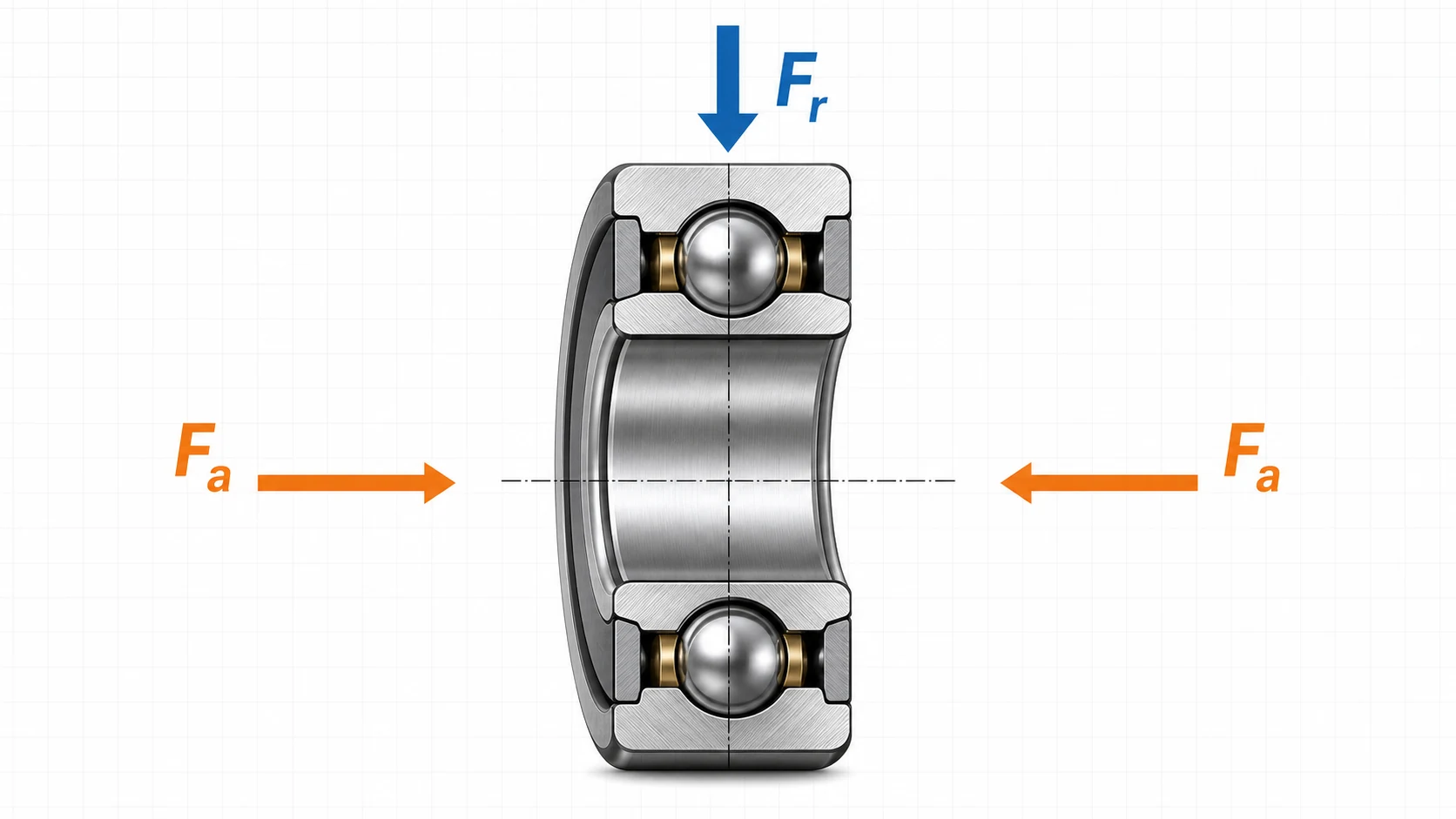 Radial And Moderate Axial Load - suitable for many motor and rotating-shaft positions Radial And Moderate Axial Load - suitable for many motor and rotating-shaft positions | 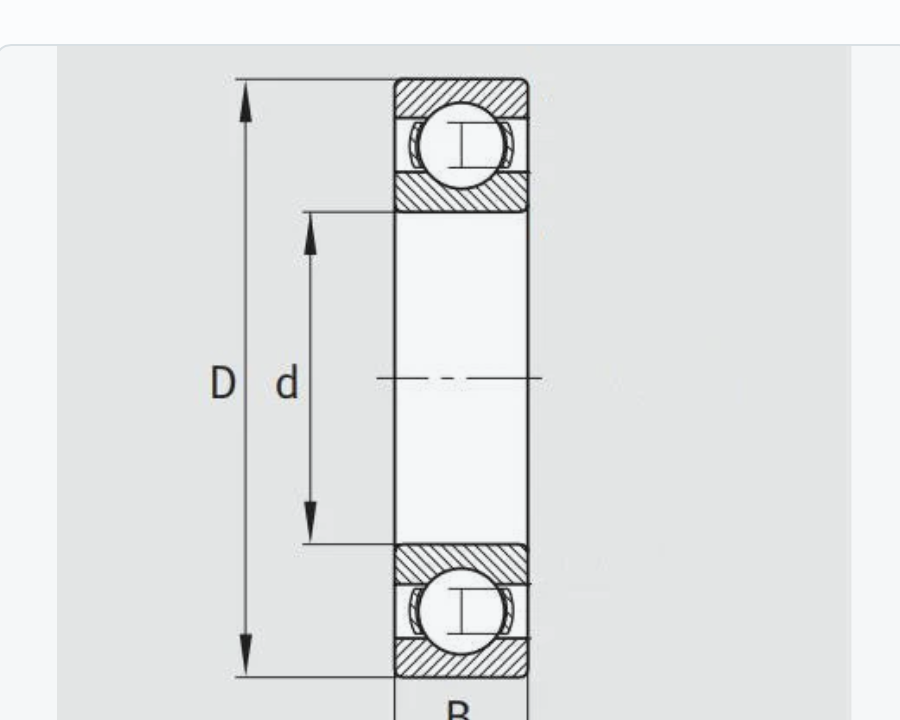 Dimensional Confirmation - verify bore, OD, width, clearance, and suffix before ordering Dimensional Confirmation - verify bore, OD, width, clearance, and suffix before ordering |
What Is a Deep Groove Ball Bearing?
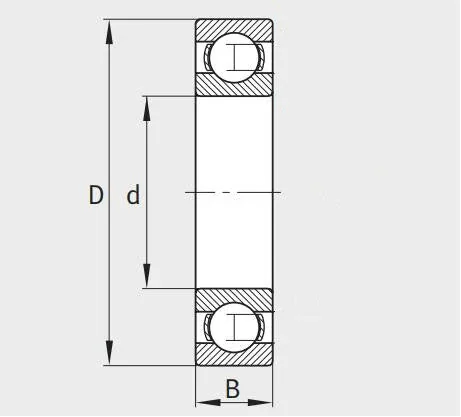
A deep groove ball bearing is a radial rolling bearing with inner and outer ring raceways shaped as deep circular grooves. The balls run between these raceways, and a cage keeps the balls separated. This design reduces sliding friction, supports shaft rotation, and carries load through rolling contact between the balls and raceways.
The deep groove geometry is useful because it supports radial load and limited axial load in both directions. Unlike angular contact ball bearings, a standard deep groove ball bearing is not designed around a selectable contact angle for high thrust-load optimization. Its strength is broad usefulness: simple structure, low friction, high-speed capability, easy replacement, and availability in many standard sizes.
Most deep groove ball bearings are non-separable. The inner ring, outer ring, balls, cage, grease, and seals or shields are assembled as one unit. This makes them convenient for motors, pumps, fans, conveyors, instruments, rollers, gearboxes, and general machinery where compact support and simple installation are required.
Main Components Buyers Should Check
Understanding the parts of a deep groove ball bearing helps buyers compare products beyond the part number.
| Component | Function | What buyers should check |
|---|---|---|
| Inner ring | Mounts on the shaft and provides the inner raceway | Bore size, shaft fit, chamfer, material, and heat treatment |
| Outer ring | Fits into the housing and provides the outer raceway | Outside diameter, housing fit, snap ring groove, and mounting support |
| Balls | Roll between the raceways and transmit load | Material, precision, surface finish, and cleanliness |
| Cage | Separates and guides the balls | Cage material, speed suitability, lubrication flow, and noise behavior |
| Raceways | Carry rolling contact stresses | Geometry, grinding quality, surface finish, and fatigue resistance |
| Seals or shields | Protect grease and reduce contamination entry | Closure type, friction, grease retention, speed, and environment |
| Lubricant | Reduces friction, wear, heat, and noise | Grease type, fill amount, temperature range, speed, and compatibility |
The bearing may look like a simple ring, but performance depends on how these parts work together. A clean raceway, correct cage, suitable grease, and proper internal clearance can matter as much as the bearing series.
Common Series And Buying Paths
Deep groove ball bearings are available in many standard and application-specific series. Buyers often start with the model number, then confirm whether the part should be open, metal shielded, rubber sealed, stainless, high-speed, or inch-size.
| Buying path | Common examples | What to confirm |
|---|---|---|
| Standard metric series | 60, 62, 63, 68, 69, 160, 622, 623 | Bore, OD, width, clearance, seal type, speed, and load |
| Miniature and small bearings | MR, MF, R, SR, 68, 69 small-bore series | Shaft size, width limit, shield/seal, precision, noise requirement |
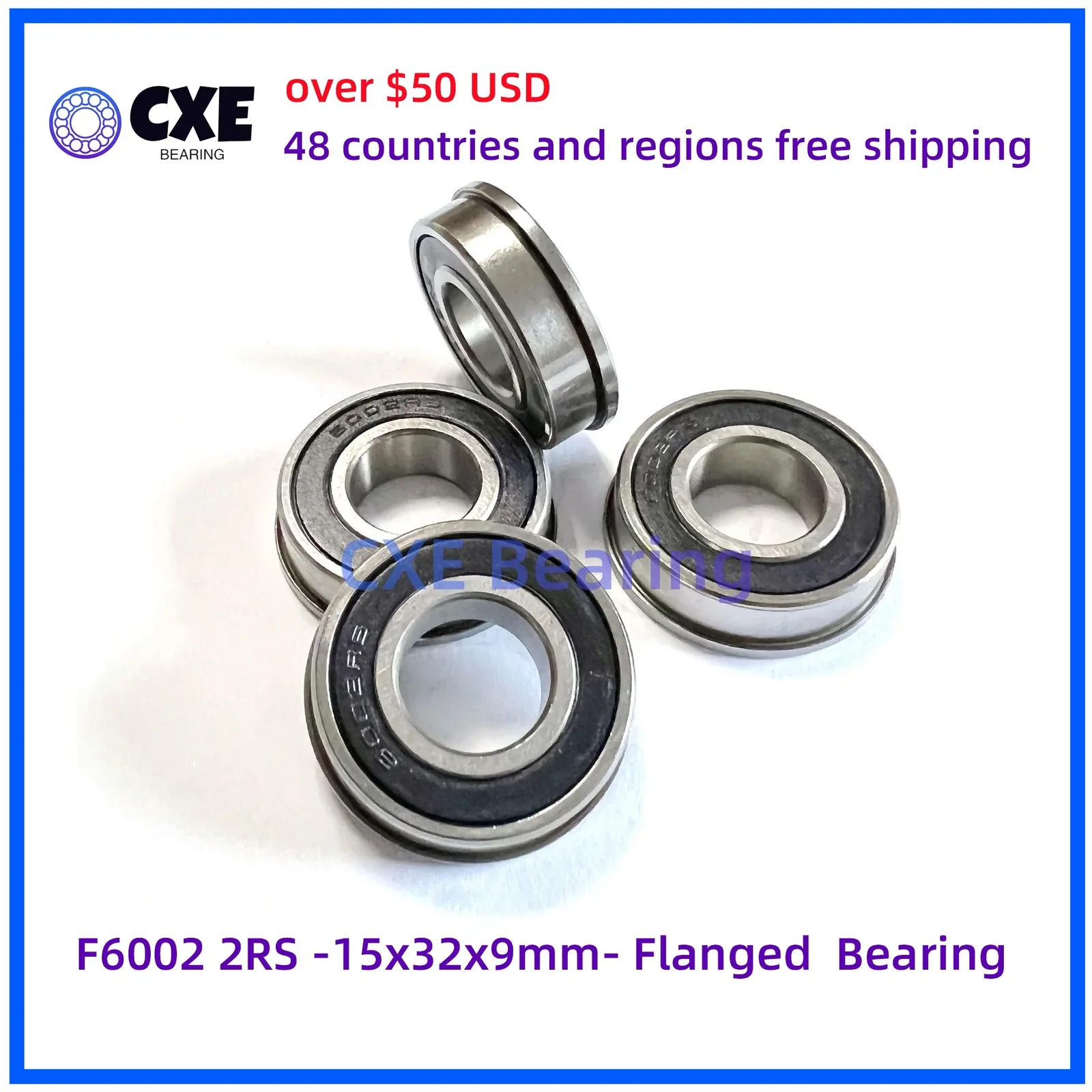
| Inch-size bearings | R series, RLS series, common fractional bores | Inch dimensions, replacement number, seal type, housing fit |
| Stainless deep groove bearings | S, SS, SR, stainless metric and inch series | Stainless grade, corrosion exposure, washdown or moisture level |
| GCR15 / 52100 bearings | Chrome bearing steel deep groove models | Dry operating environment, load, speed, clearance, lubrication |
For material-specific sourcing, compare this page with GCR15 chrome steel bearings, stainless steel bearings, and metric ball bearings. If the application needs stainless deep groove models for wet or corrosion-sensitive equipment, the stainless steel bearings collection is the better next step.
Seal And Shield Selection
Closure choice is one of the easiest ways to change bearing performance. A bearing with the same dimensions can behave differently when it is open, shielded, non-contact sealed, or contact sealed.
| Closure | Best fit | Watch out for |
|---|---|---|
| Open | Clean equipment with separate lubrication or external seals | Needs protection from dirt and moisture |
| Single shield or single seal | Equipment where contamination mainly comes from one side | Confirm which side faces dust, splash, or debris during installation |
Double metal shields, often ZZ or 2Z | Motors, fans, office equipment, instruments, and cleaner machinery | Good for low drag and grease retention, but not a full environmental seal |
| Non-contact rubber seals | Higher-speed applications needing better grease retention than shields | Better protection than shields in many cases, but still not a heavy washdown seal |
Contact rubber seals, often 2RS | Conveyors, rollers, outdoor equipment, dusty areas, and light splash exposure | More sealing protection, but usually more friction and heat than open or shielded designs |
| Special seals or food-grade grease | Food, beverage, packaging, and washdown-adjacent equipment | Confirm grease type, seal material, regulatory requirement, and cleaning chemical exposure |
For high-speed motors, fans, and low-torque equipment, do not choose the strongest-looking seal automatically. Seal drag, grease fill, clearance, and heat dissipation can matter as much as contamination protection.
Materials, Clearance, Lubrication, And Options
Deep groove ball bearings should be selected as a complete specification, not only by bore size.
| Option | Choices to consider | Selection note |
|---|---|---|
| Ring and ball material | GCR15 / 52100, stainless steel, hybrid ceramic, special material | Match material to load, corrosion, speed, and cost |
| Closure type | Open, metal shield, non-contact seal, contact seal | Balance contamination protection, friction, speed, and grease retention |
| Clearance | C2, CN/C0, C3, C4, C5 depending on type and size | Consider shaft fit, housing fit, temperature, and speed |
| Cage | Steel, brass, polymer, or special cage depending on design | Review speed, temperature, lubrication, and noise requirements |
| Lubrication | Standard grease, low-noise grease, high-temperature grease, food-grade grease, oil | Choose by speed, temperature, environment, and maintenance plan |
| Precision and noise | Standard, low-noise, higher precision, special vibration requirements | Important for motors, appliances, instruments, and high-speed equipment |
| Snap ring option | Groove only, or groove with snap ring | Useful for axial location, but housing design must match |
| Electrical environment | Standard steel, hybrid ceramic, or insulated solution when required | Check whether the machine has inverter-driven motors or stray current risk |
For many applications, a standard GCR15 / 52100 deep groove bearing is the most economical choice. Stainless steel is better when corrosion resistance matters. Sealed bearings help protect grease and reduce contamination entry. Shielded bearings may run with lower drag than contact-sealed bearings in cleaner environments.
If the main question is radial internal clearance, use the bearing clearance calculator as a supporting reference instead of repeating the clearance workflow on this collection page.
Data To Compare Before Ordering
When comparing deep groove ball bearing models, do not stop at the bearing number. For purchasing and engineering review, compare the data fields below.
| Data field | Why it matters |
|---|---|
| Bore, outside diameter, and width | Confirms dimensional interchange with the shaft and housing |
| Dynamic load rating and static load rating | Helps compare load capacity between series and specifications |
| Limiting speed or reference speed | Shows whether the bearing, closure, grease, and cage are suitable for rpm |
| Internal clearance | Affects mounted clearance after fits and temperature change |
| Seal or shield code | Changes friction, contamination protection, grease retention, and speed behavior |
| Cage material | Can affect speed, heat, lubrication flow, and suitability for special operating conditions |
| Ring and ball material | Determines corrosion resistance, fatigue performance, and cost position |
| Grease or oil specification | Important for motors, food equipment, high temperature, low noise, and long-life operation |
| Precision or vibration grade | Important for electric motors, instruments, appliances, and high-speed equipment |
| Certificates and inspection records | Useful for OEM purchasing, export orders, and quality-controlled replacement programs |
Where Deep Groove Ball Bearings Are Used
Deep groove ball bearings are used wherever a shaft needs smooth radial support with low friction and reliable speed performance.
| Industry or equipment | Common bearing need | Useful specification clues |
|---|---|---|
| Electric motors | Low noise, low vibration, stable grease life | Confirm clearance, grease, precision, shield/seal type, and operating rpm |
| Pumps and fans | Smooth speed, moderate load, heat control | Check seal drag, lubrication, shaft fit, and any axial load from impeller or fan thrust |
| Conveyors and rollers | Contamination protection and simple replacement | Confirm 2RS/ZZ closure, corrosion exposure, quantity, and shaft/housing condition |
| Packaging and food equipment | Corrosion resistance, clean operation, grease requirement | Check stainless material, seal material, and food-grade lubrication if required |
| Agriculture and outdoor equipment | Dust, humidity, shock, and inconsistent maintenance | Review sealing, corrosion resistance, housing support, and shock load risk |
| Instruments and automation | Small size, low torque, quiet operation | Check miniature series, precision grade, grease cleanliness, and handling requirements |
The same bearing size may need a different specification depending on the environment. A motor bearing may prioritize low noise and grease life. A conveyor bearing may need stronger sealing. A stainless bearing may be required for wet equipment. A high-speed bearing may need special grease, cage, clearance, or precision control.
How To Choose A Deep Groove Ball Bearing
Start with the bearing number if you are replacing an existing bearing. If the bearing number is missing, measure the bore, outside diameter, and width first. Then confirm load, speed, environment, and closure type.
| Selection step | What to confirm |
|---|---|
| 1. Size | Bore diameter, outside diameter, width, and series |
| 2. Load direction | Mainly radial load, limited axial load, or combined load |
| 3. Speed | Operating rpm, startup conditions, seal drag, and heat |
| 4. Environment | Dust, water, washdown, humidity, chemical exposure, or clean indoor use |
| 5. Closure | Open, shielded, sealed, or special seal design |
| 6. Clearance | CN/C0, C3, C4, or other clearance based on fit and temperature |
| 7. Material | GCR15 / 52100, stainless steel, hybrid ceramic, or special option |
| 8. Lubrication | Grease type, oil lubrication, relubrication, or food-grade requirement |
| 9. Quality requirement | Noise, vibration, precision, certificates, inspection, and packaging |
| 10. Mounting detail | Shaft fit, housing fit, shoulders, snap ring groove, and assembly method |
If the bearing runs hot immediately after installation, do not assume the bearing size is wrong. Check grease fill, seal drag, shaft fit, housing fit, mounted clearance, alignment, and axial preload.
For two-bearing shaft layouts where housing bore alignment is the concern, use the deep groove ball bearing tilting angle calculator as a supporting review path.
Replacement And Interchange Notes
Deep groove ball bearings are often interchangeable by boundary dimensions, but the safest replacement is not always the cheapest bearing with the same bore, outside diameter, and width.
Check these points before substituting a bearing:
6205-2RSand6205-ZZmay share the same main dimensions, but they do not provide the same sealing, friction, and speed behavior.C3should be kept when the original design used it for press fit, heat, or speed reasons. Do not remove or addC3without checking the application.- Stainless steel can help with corrosion, but the seal, grease, load, and cleaning chemical exposure still matter.
- A higher precision bearing may not solve noise if the real problem is mounting damage, poor shaft fit, excessive grease, or contamination.
- Snap ring suffixes such as
NorNRmatter when the housing uses the snap ring for axial location. - Manufacturer suffixes are not perfectly universal. Confirm actual closure, clearance, cage, grease, and material when crossing from one brand to another.
When Deep Groove Ball Bearings Are Not The Best Choice
Do not force a deep groove bearing into every position. If the application has heavy axial load, compare thrust ball bearings or another axial-load design. If the shaft needs mounted housing support, compare flange bearings. If the bearing must run in wet, washdown, or corrosive conditions, compare stainless options before confirming material.
Choose another bearing type or arrangement when the application has:
- High continuous axial load.
- Heavy shock or impact load.
- Very high radial load where a roller bearing is more suitable.
- Significant shaft or housing misalignment.
- Controlled preload or high axial stiffness requirement.
- Mainly thrust load.
- Severe contamination or washdown beyond standard seal capability.
- Slow oscillating motion where lubrication and static load dominate.
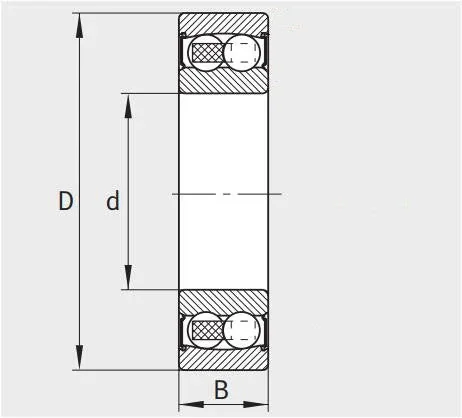
For high axial load, review angular contact ball bearings, thrust bearings, or tapered roller bearings. For unavoidable misalignment, compare self-aligning ball bearings instead of relying on a standard deep groove design.
Common Part Numbers
Deep groove ball bearings are often ordered by standard bearing numbers and suffixes.
| Series | Example numbers |
|---|---|
| 60 series | 6000, 6001, 6002, 6003, 6004, 6005, 6006 |
| 62 series | 6200, 6201, 6202, 6203, 6204, 6205, 6206 |
| 63 series | 6300, 6301, 6302, 6303, 6304, 6305, 6306 |
| 68 series | 6800, 6801, 6802, 6803, 6804, 6805 |
| 69 series | 6900, 6901, 6902, 6903, 6904, 6905 |
| Miniature series | 693, 695, 608, 623, 624, 625, 626 |
| Inch/R series | R4, R6, R8, R10, R12 depending on equipment design |
Typical suffixes include ZZ for metal shields, 2RS for rubber seals, and C3 for greater-than-normal radial internal clearance. Always confirm the exact suffix meaning, because seal and shield naming can differ between manufacturers.
Common Replacement Mistakes
- Matching only the bore size and ignoring OD, width, and suffix.
- Replacing
ZZwith2RSautomatically in a high-speed or low-torque application. - Treating
C3as a higher precision grade instead of a clearance class. - Ignoring grease type when noise, starting torque, temperature, or service life matters.
- Upgrading material without checking the actual environment and failure mode.
- Assuming all stainless bearings use the same stainless grade.
- Ignoring clearance, fit, and lubrication when a bearing overheats soon after installation.
Frequently Asked Questions
What are deep groove ball bearings used for?
Deep groove ball bearings are used in motors, pumps, fans, conveyors, rollers, appliances, gearboxes, instruments, and general rotating machinery. They are best for mainly radial load, high speed, low friction, and compact shaft support.
Can deep groove ball bearings handle axial load?
Yes, they can handle limited axial load in both directions, but axial load must stay within the catalog limits for the selected bearing size, clearance, speed, lubrication, and load ratio. They are not high-thrust bearings. For more context, see the related guide on whether deep groove ball bearings can handle axial loads.
Should I choose sealed or shielded deep groove ball bearings?
Choose sealed bearings when contamination protection and grease retention are important. Choose shielded bearings when lower friction is important and the environment is cleaner. Use open bearings when the machine provides external lubrication and sealing.
What does C3 mean on a deep groove ball bearing?
C3 means the bearing has greater radial internal clearance than normal clearance. It is often considered when fits, heat, or operating conditions reduce clearance, but it should not be selected automatically for every application.
Are stainless steel deep groove ball bearings better?
Stainless steel deep groove ball bearings are better for wet, humid, washdown, or corrosion-sensitive environments. GCR15 / 52100 is often more economical for clean, normal industrial applications. The best choice depends on load, corrosion, seals, grease, and cost.
How do I identify the correct replacement bearing?
Use the bearing number if it is visible. If not, measure bore diameter, outside diameter, and width. Then confirm seal type, clearance, material, and application conditions before ordering.
RFQ Guidance
Request a quote with model, quantity, material, seal type, destination country, and operating environment.
Useful RFQ details include:
- Bearing model or equivalent part number
- Bore, outside diameter, and width if the model is unknown
- Seal or shield type: open, ZZ, 2RS, or special sealing requirement
- Material preference: GCR15 / 52100, stainless steel, ceramic hybrid, or confirm by application
- Clearance, precision, noise, or vibration requirement when relevant
- Application: motor, pump, conveyor, roller, fan, gearbox, agricultural equipment, or other machine position
- Quantity, destination country, target lead time, and photos or drawings when replacement accuracy matters