Deep Groove Ball Bearings GCR15 Overview
Compare representative CXE Bearing products by dimensions, material, and seal type. Use the left navigation to switch collections without returning to the catalog home.
Products In This Collection
Browse all matching CXE Bearing products in this collection. Each row shows dimensions, material, seal type, public reference price, and the fastest RFQ path.
121-240 / 606 products
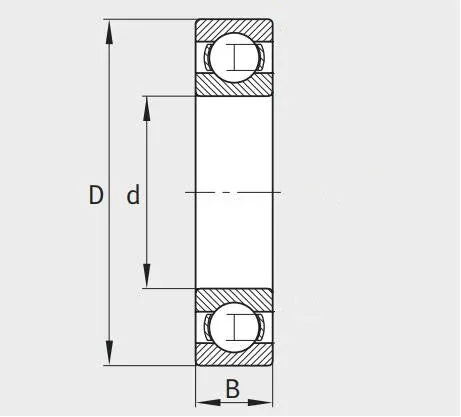
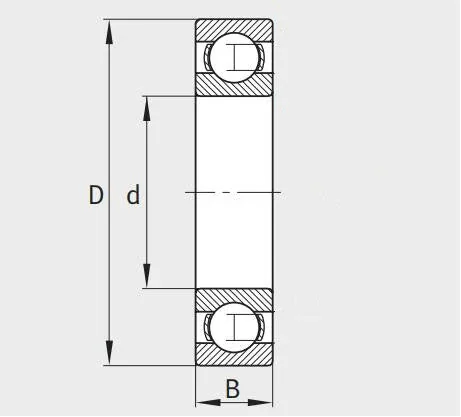
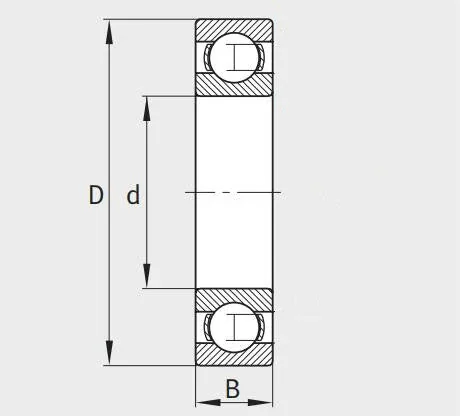
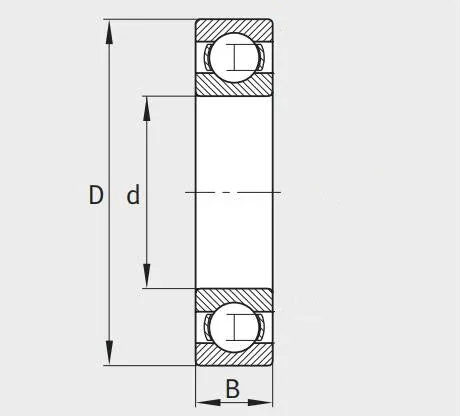
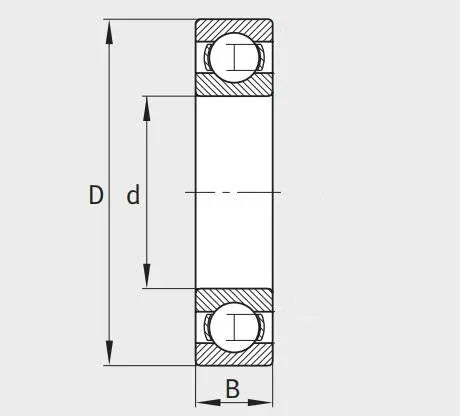
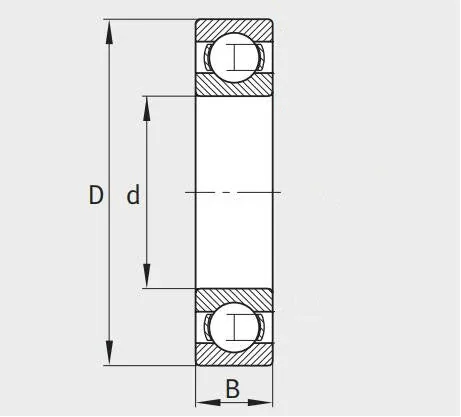
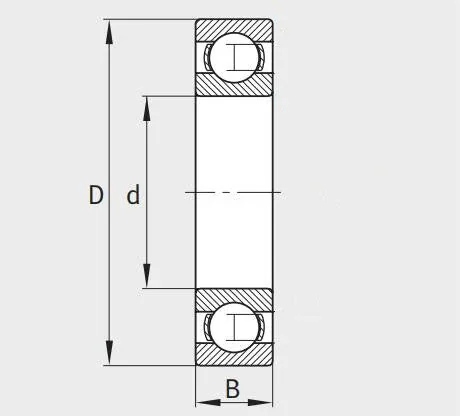
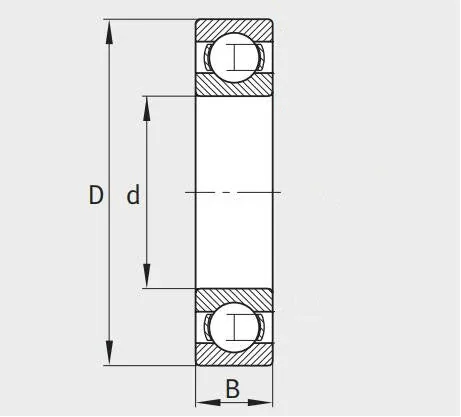
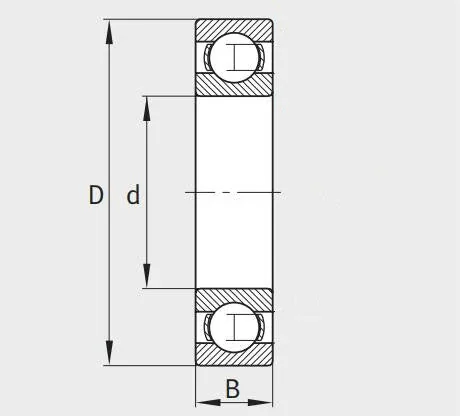
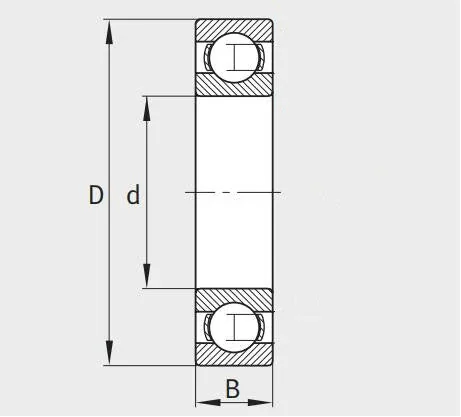
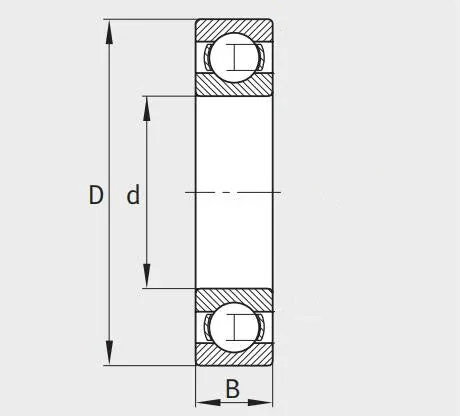
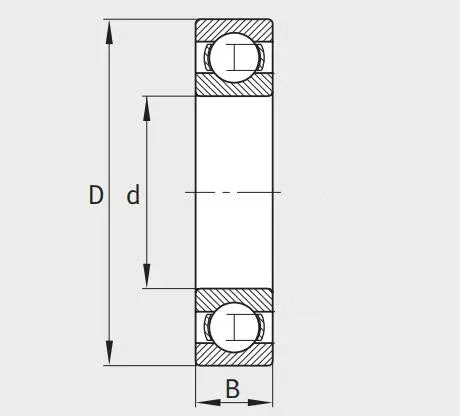
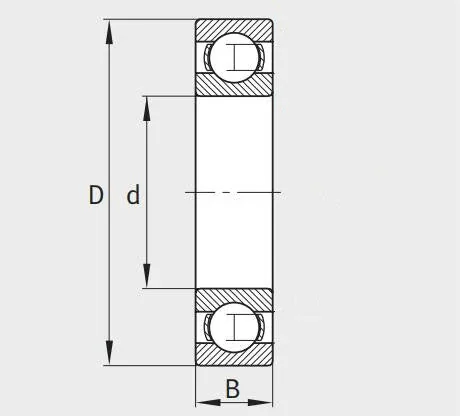
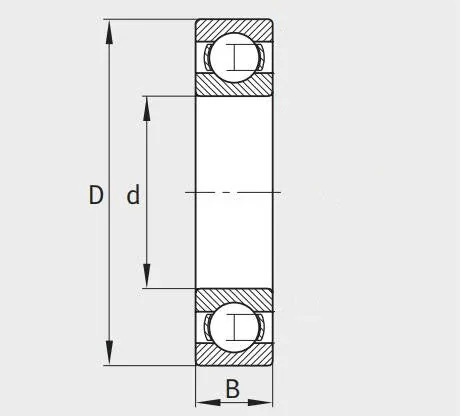
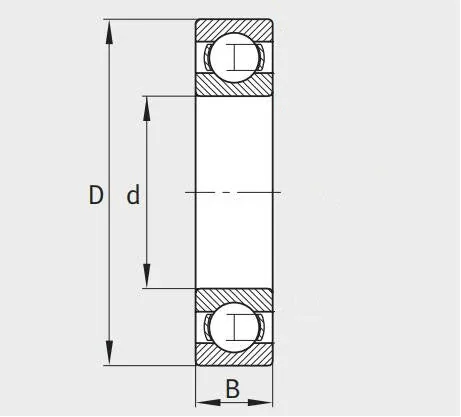
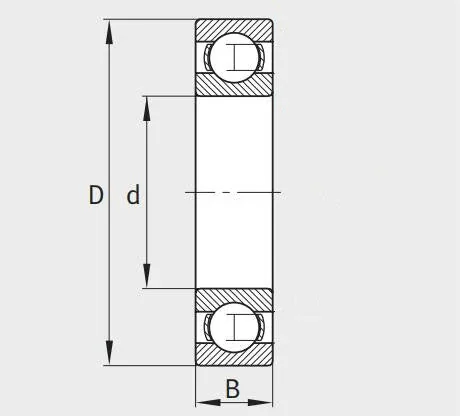
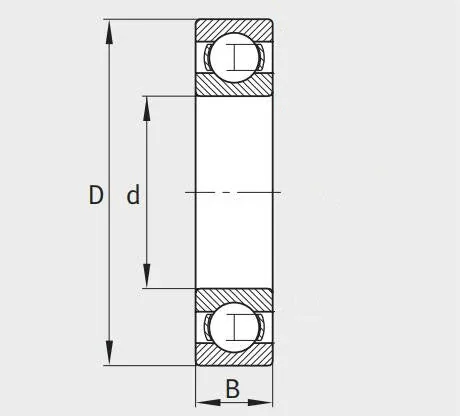
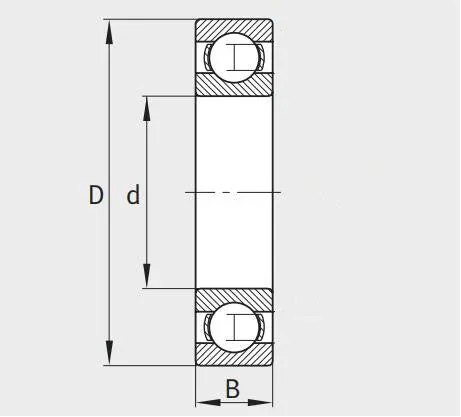
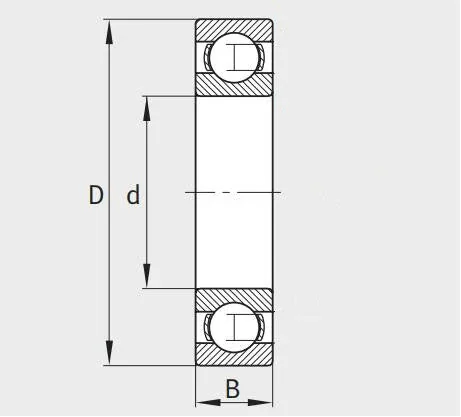
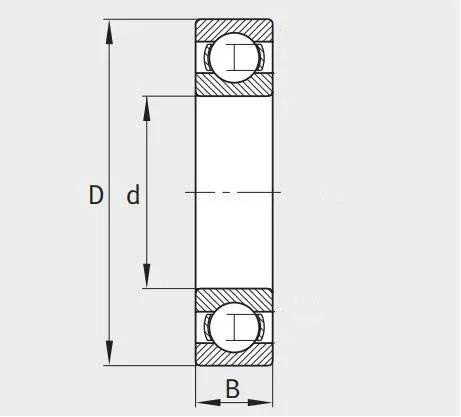
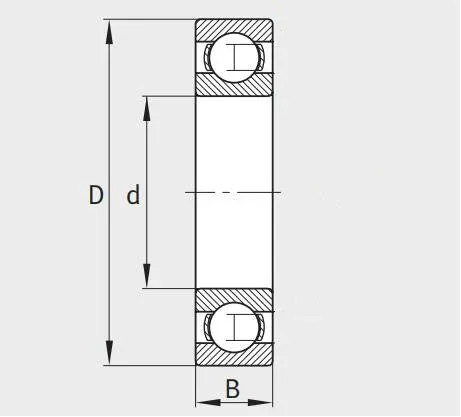
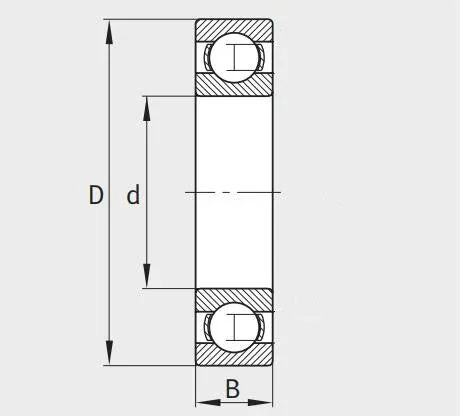
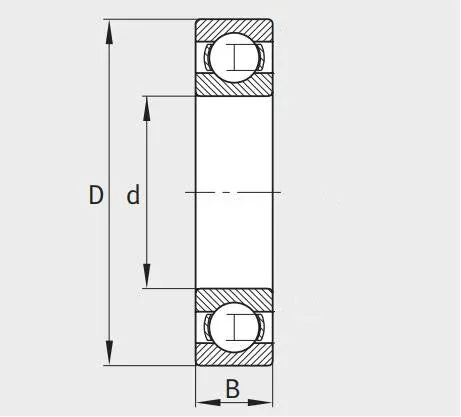
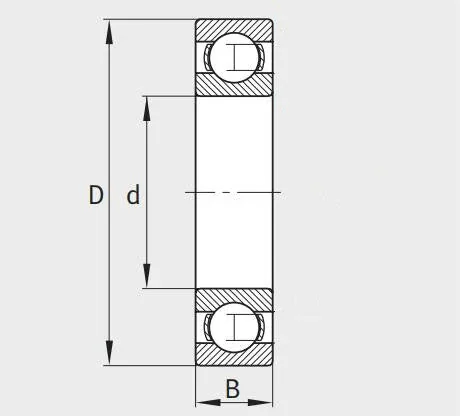
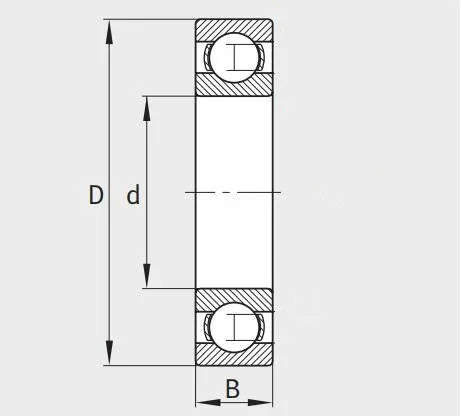
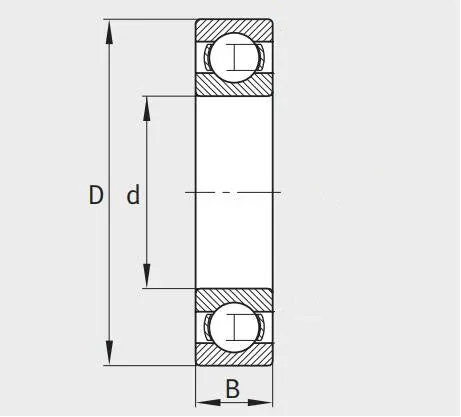
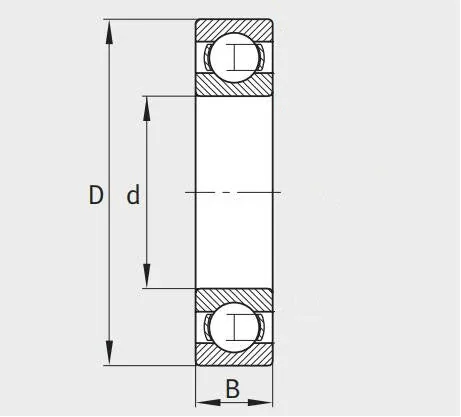
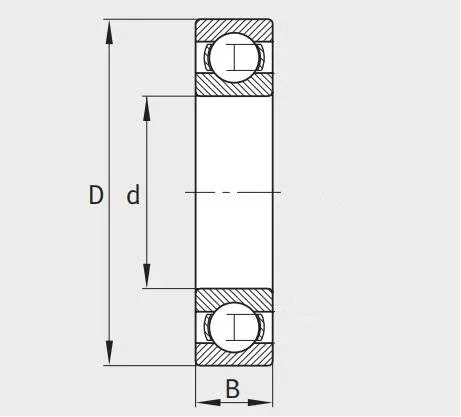
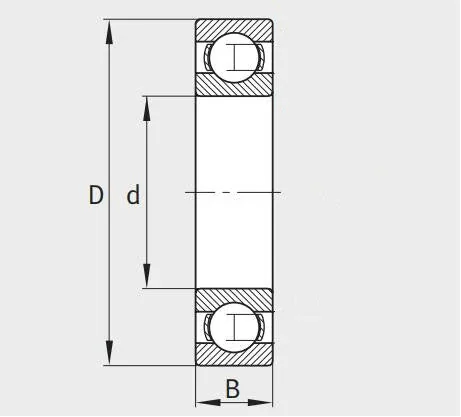
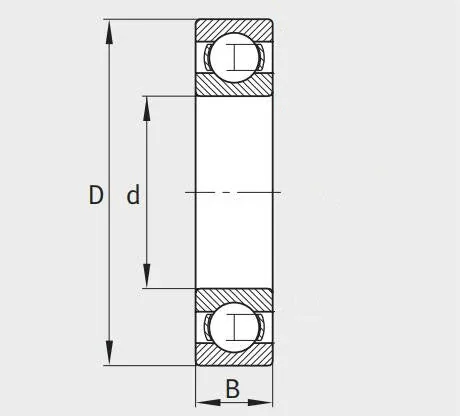
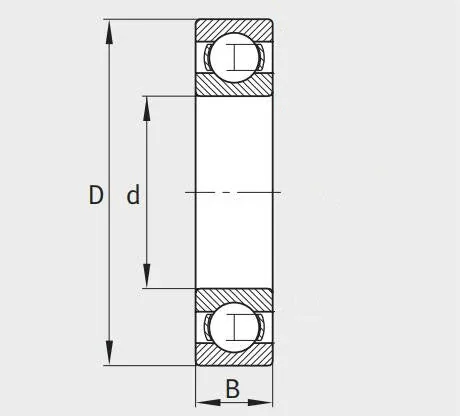
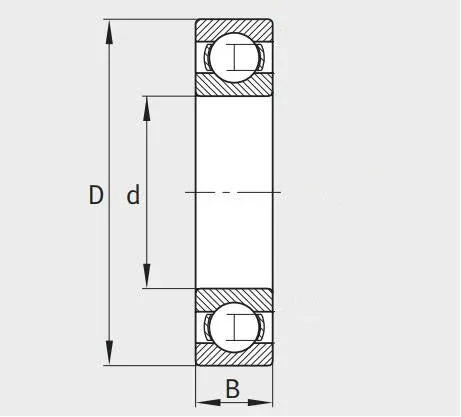
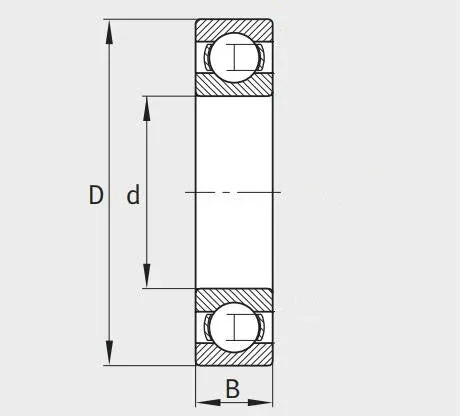
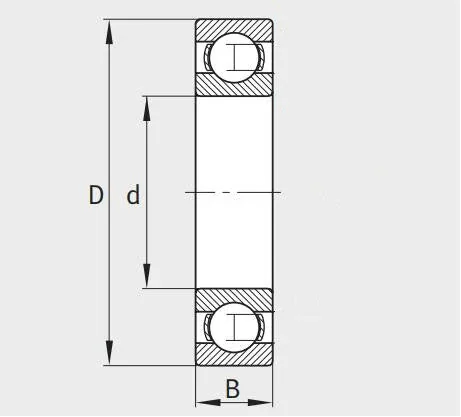
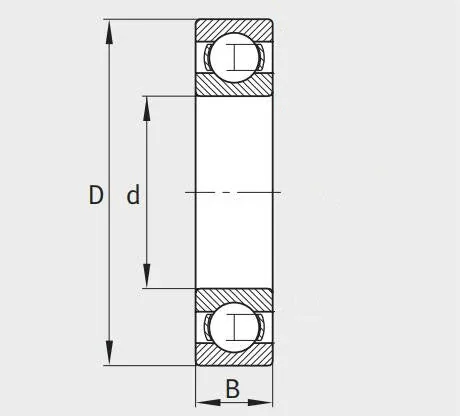
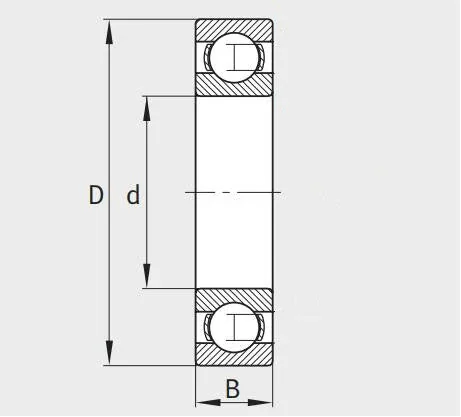
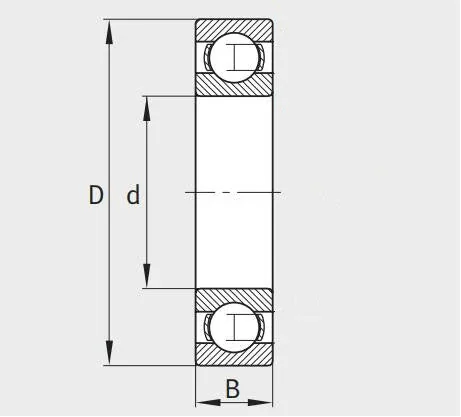
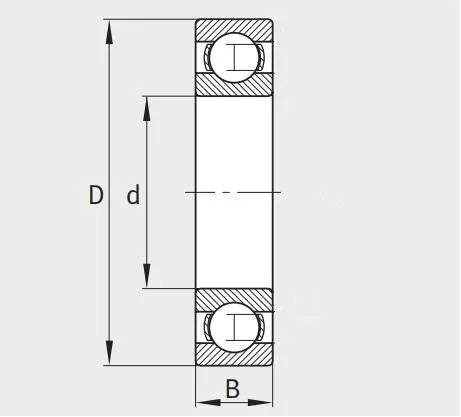
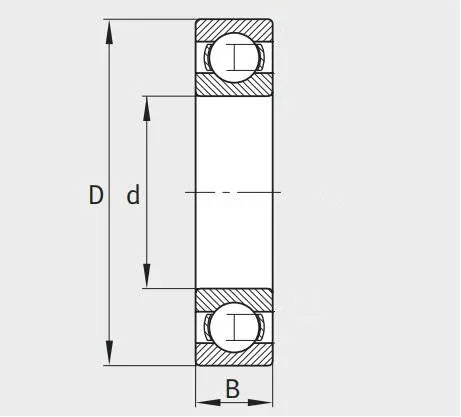
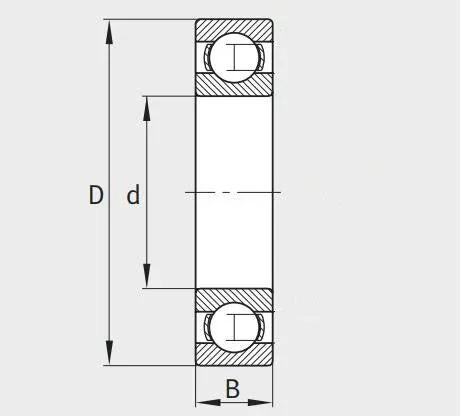
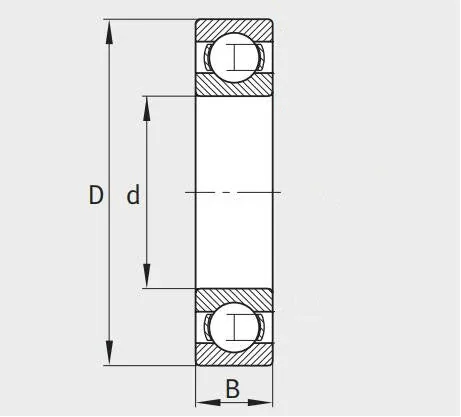
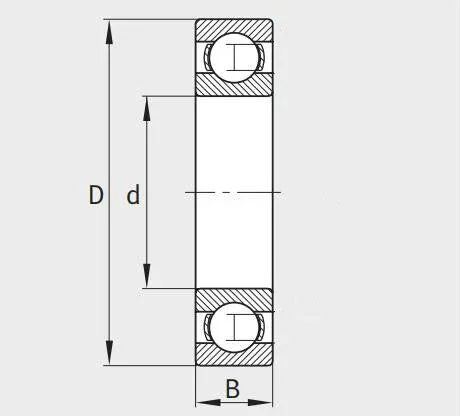
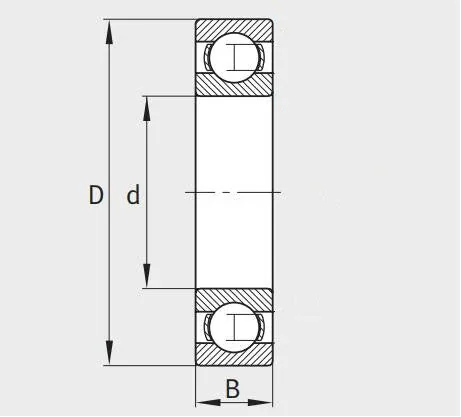
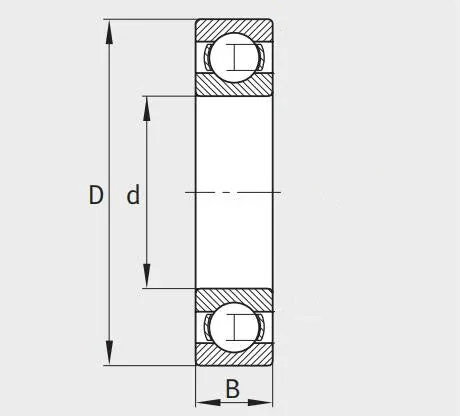
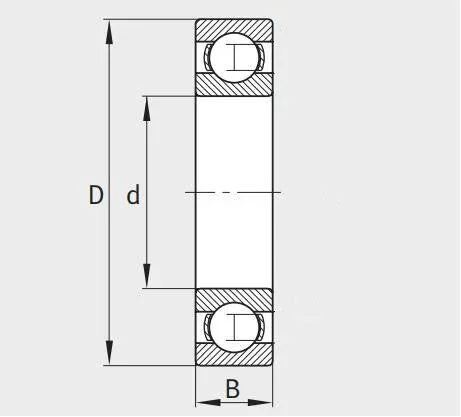
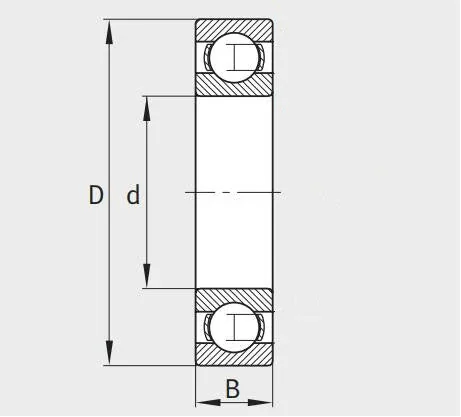
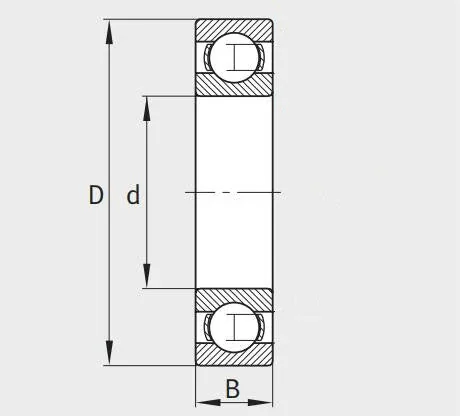
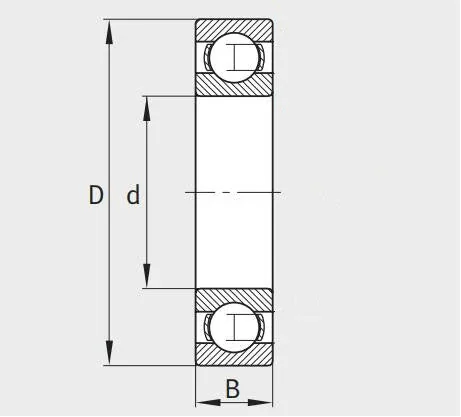
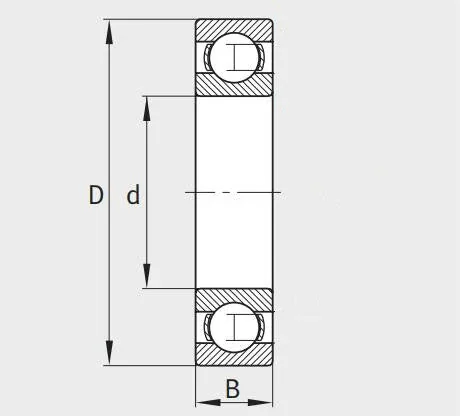
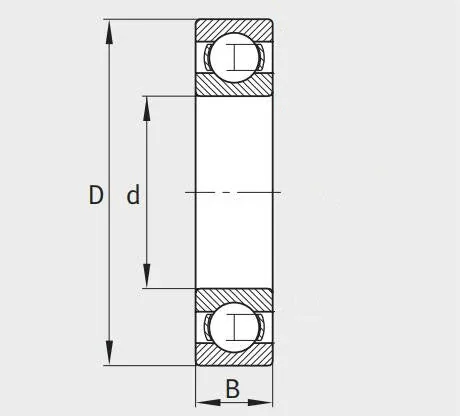
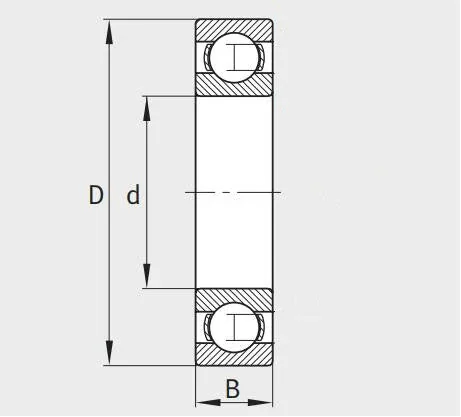
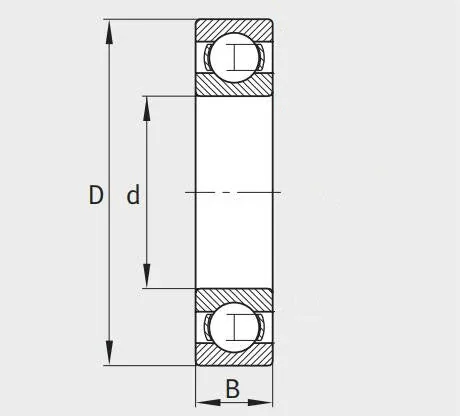
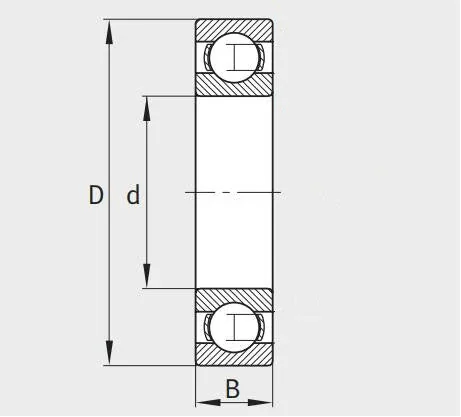
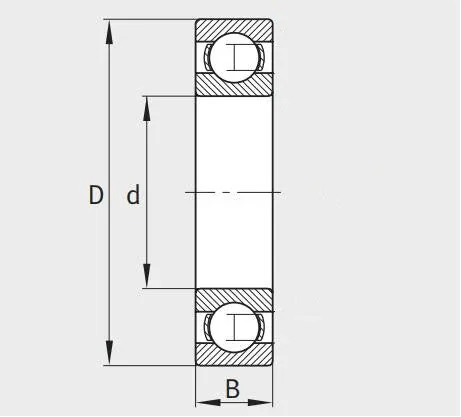
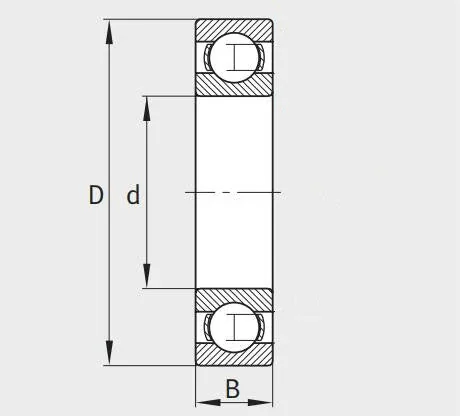
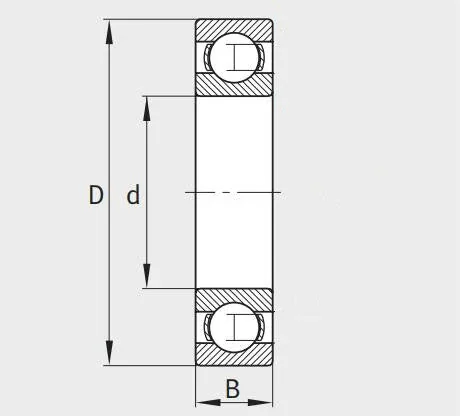
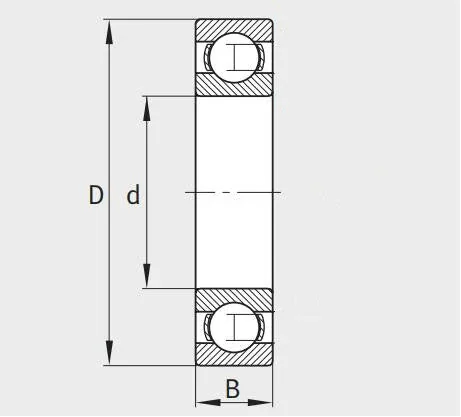
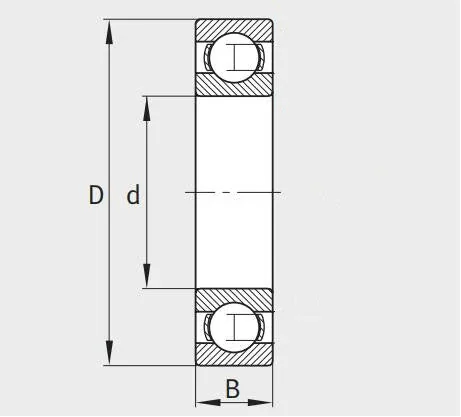
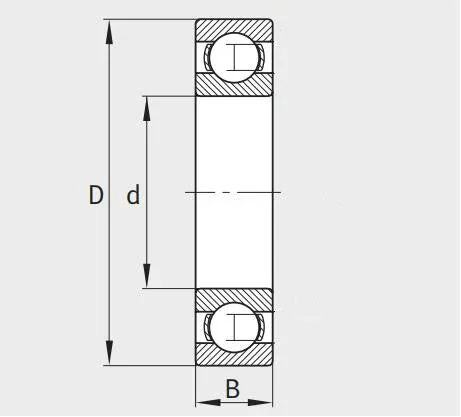
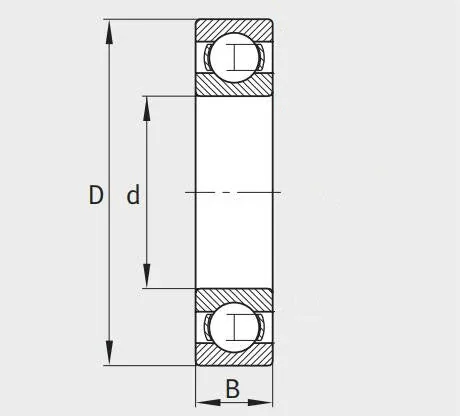
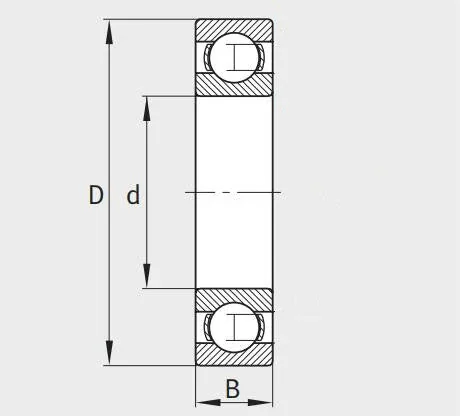
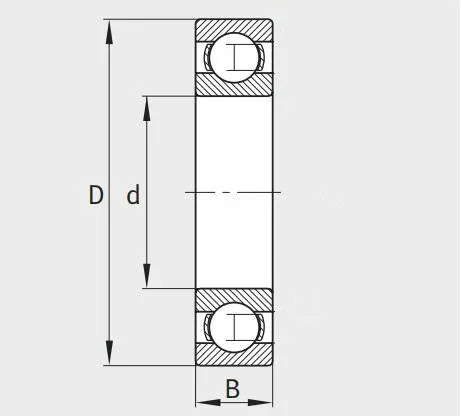
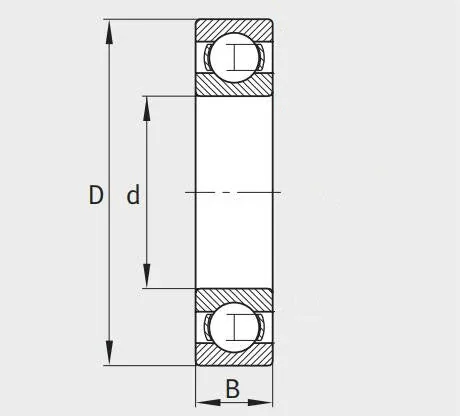
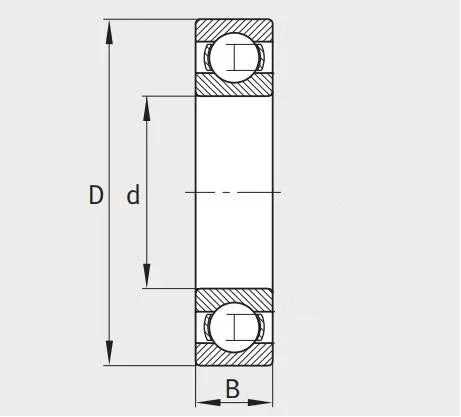
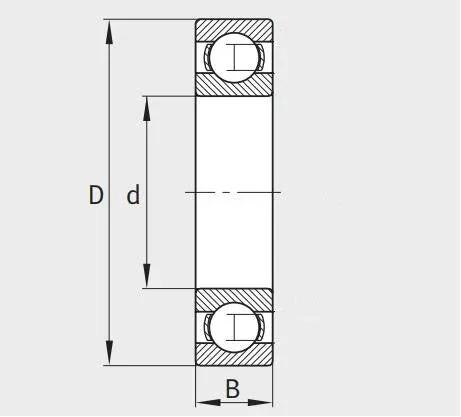
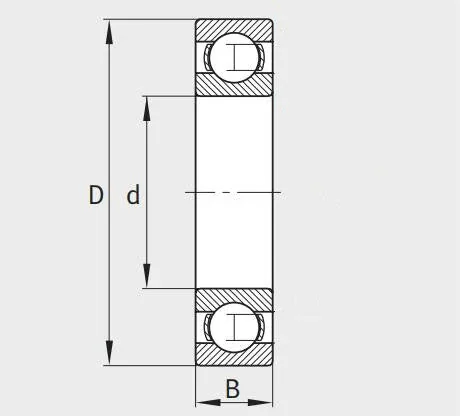
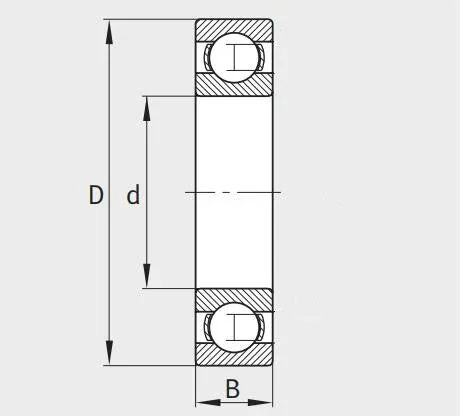
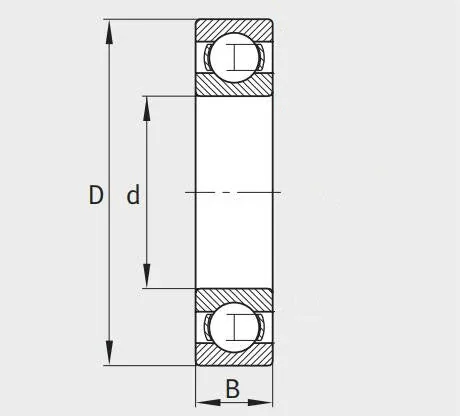
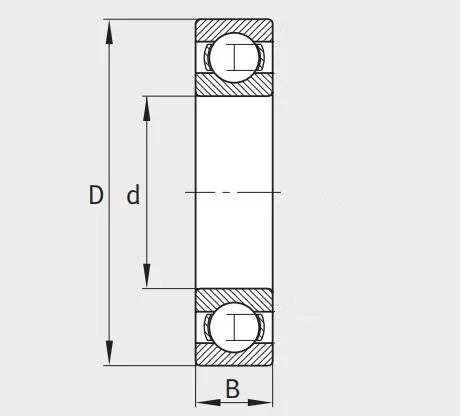
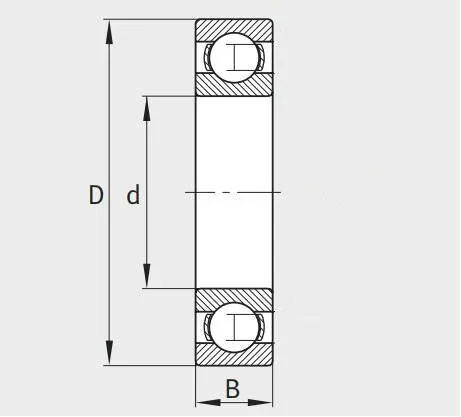
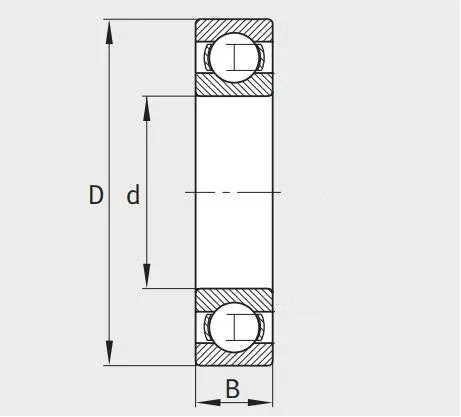
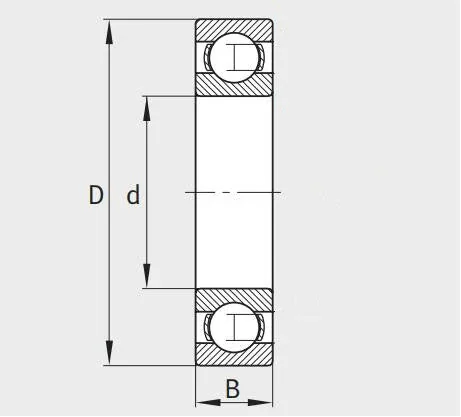
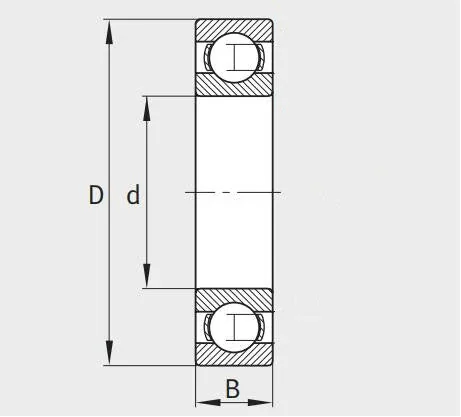
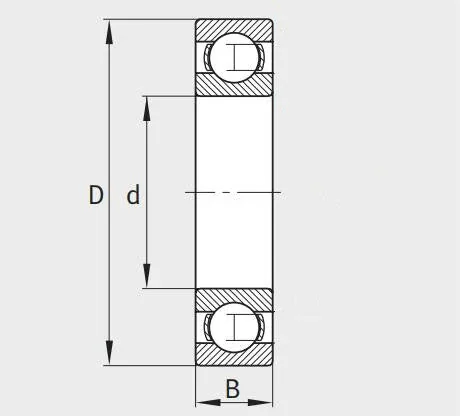
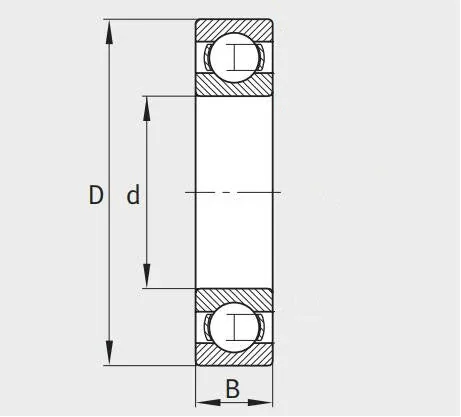
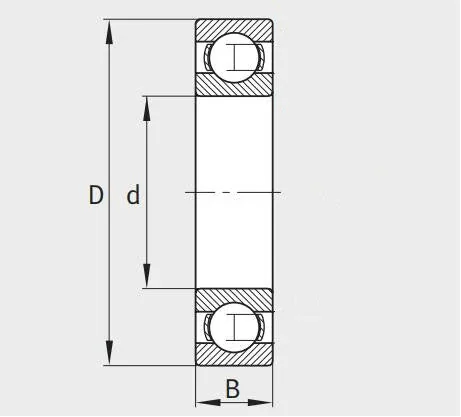
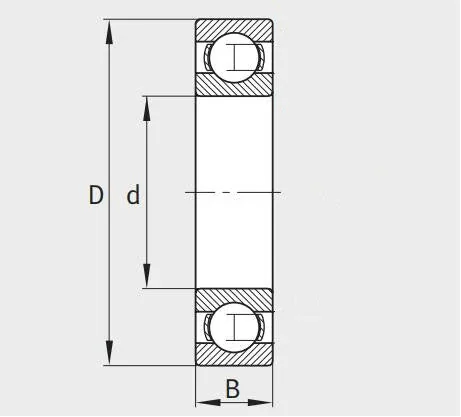
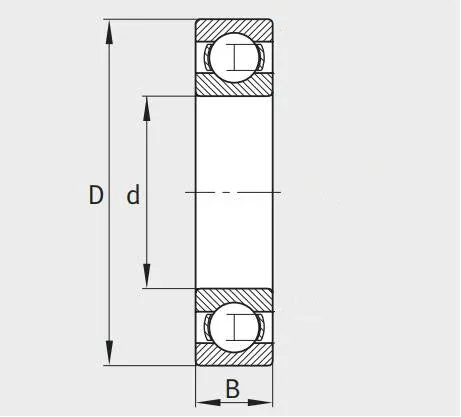
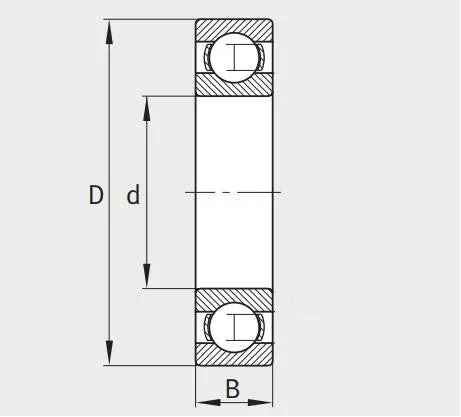
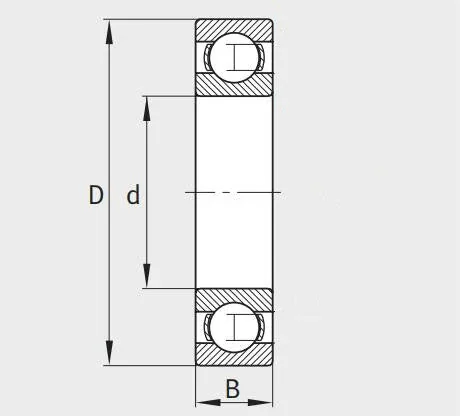
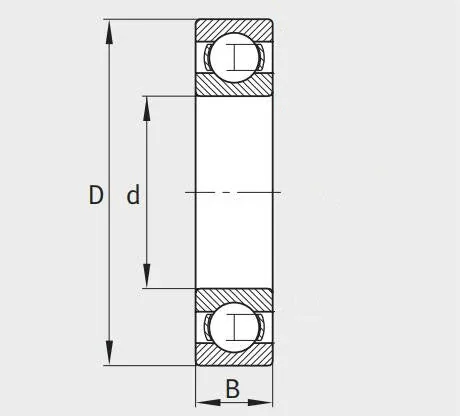
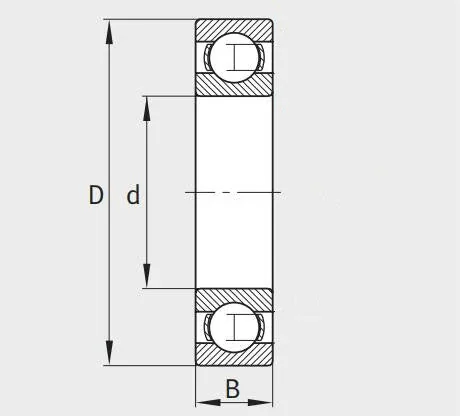
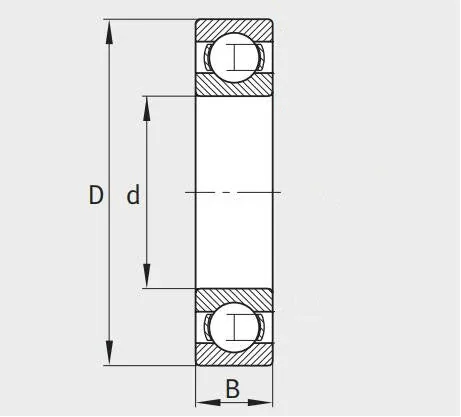
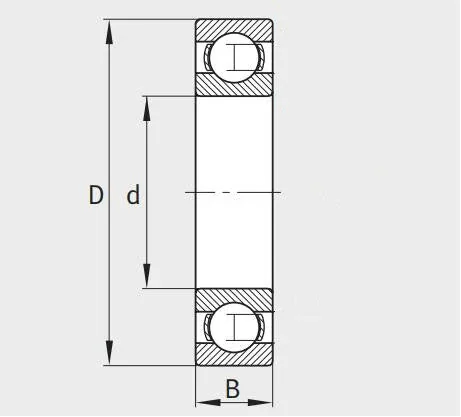
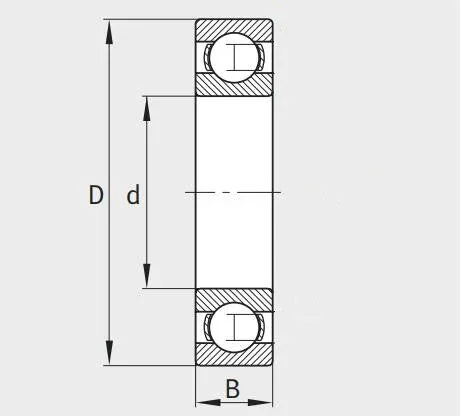
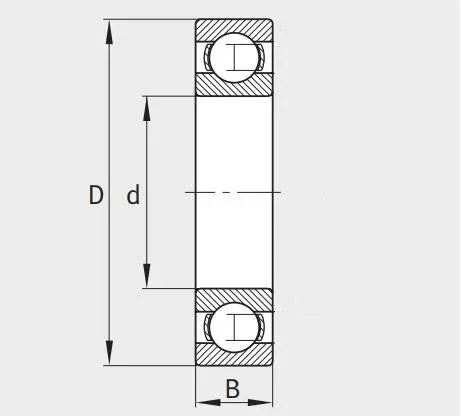
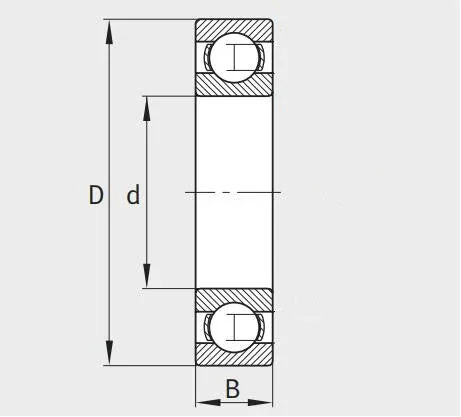
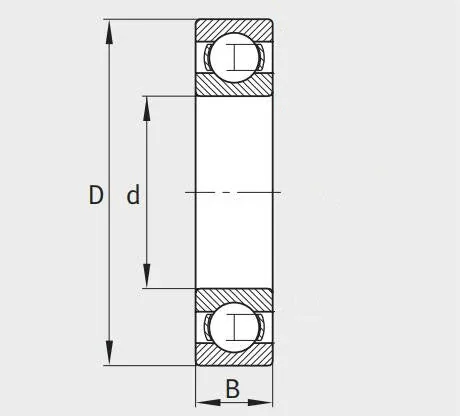
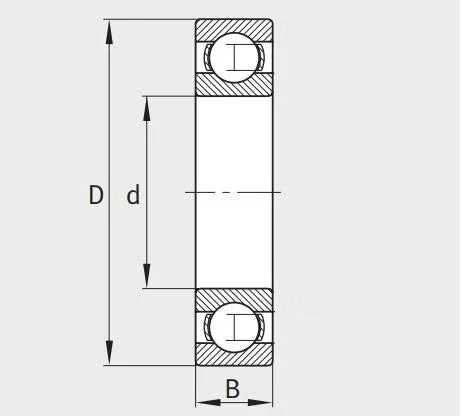
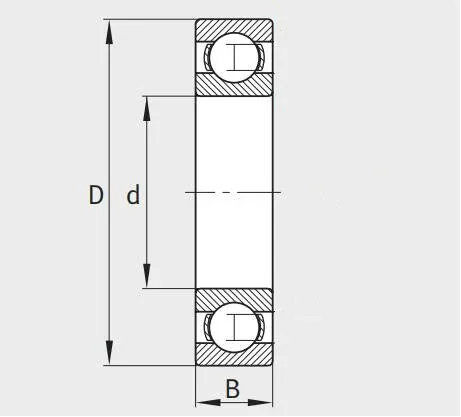
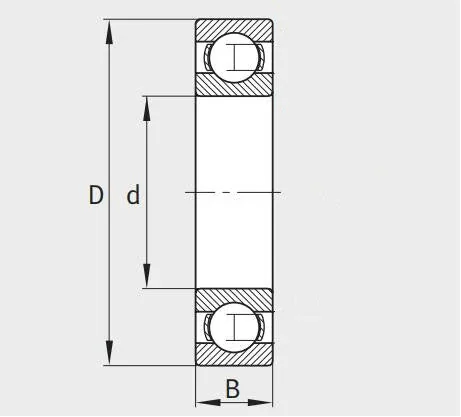
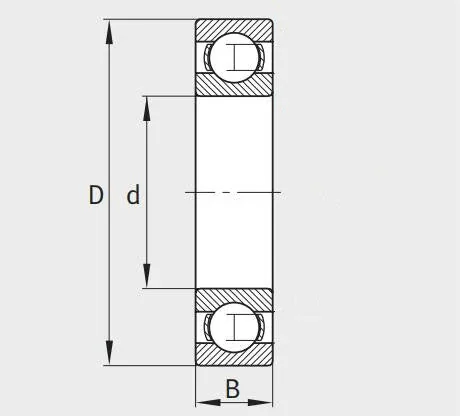
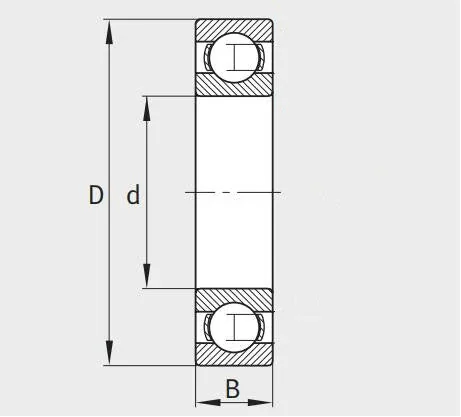
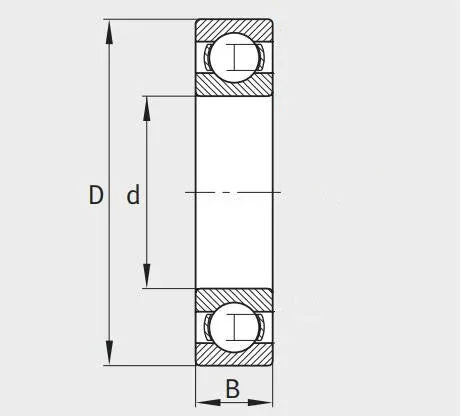
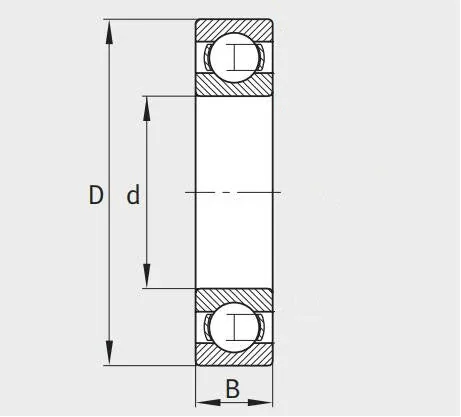
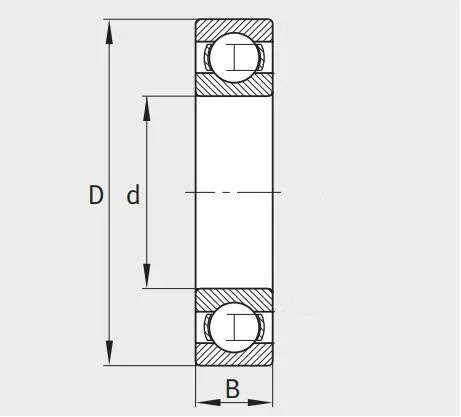
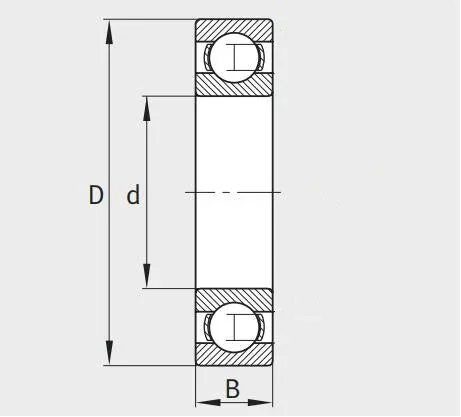
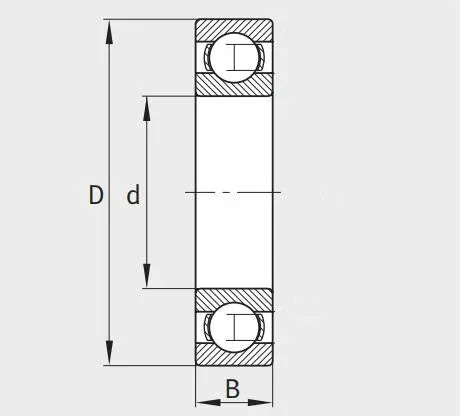
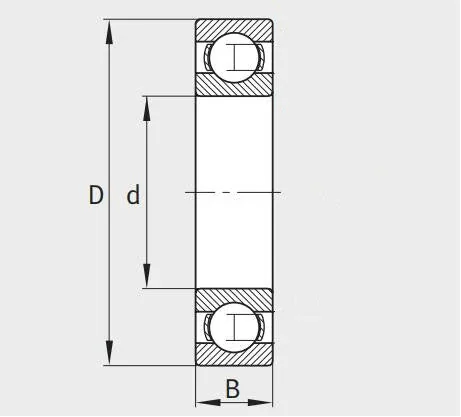
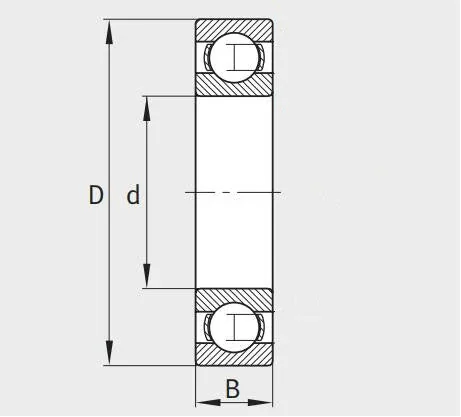
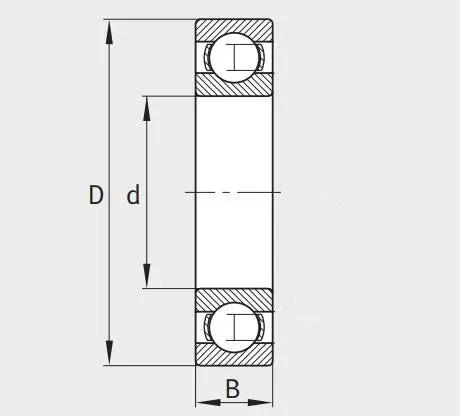
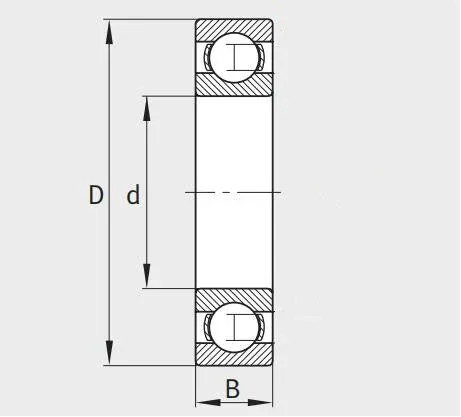
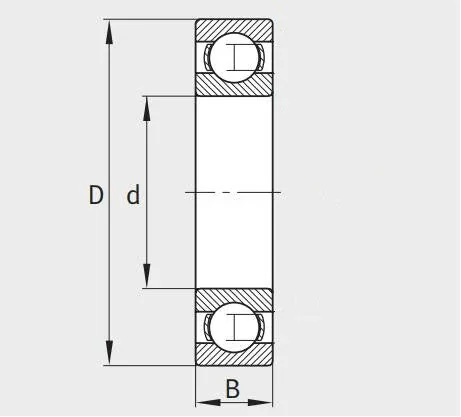
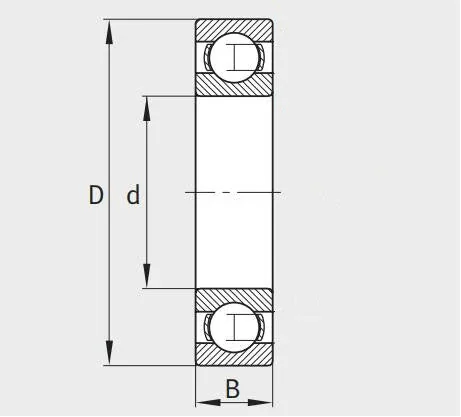
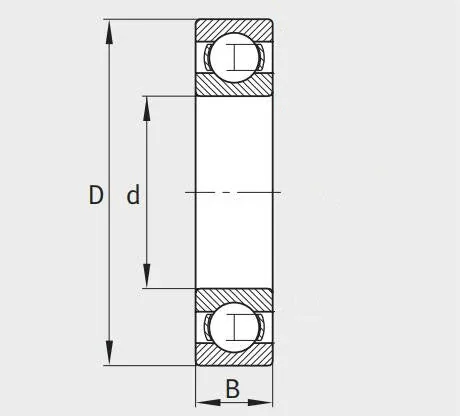
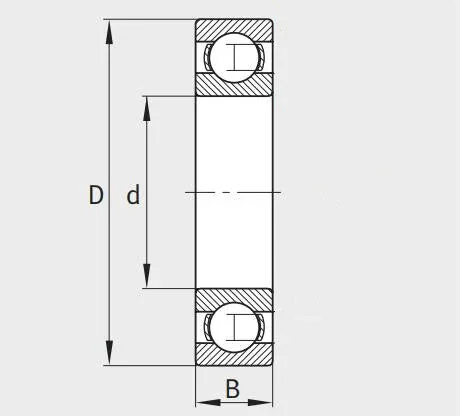
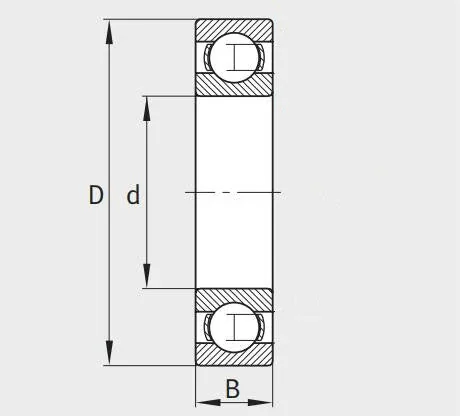
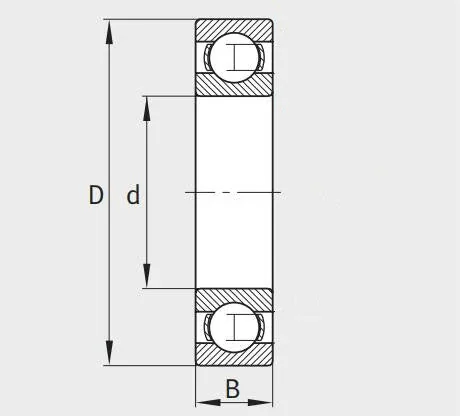
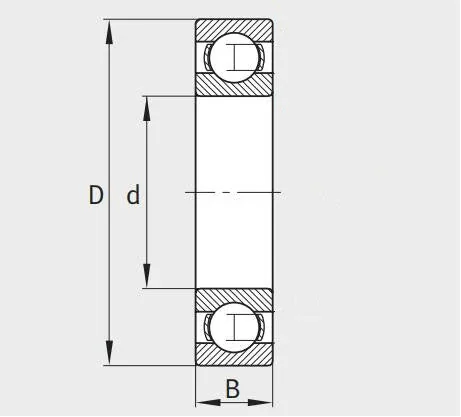
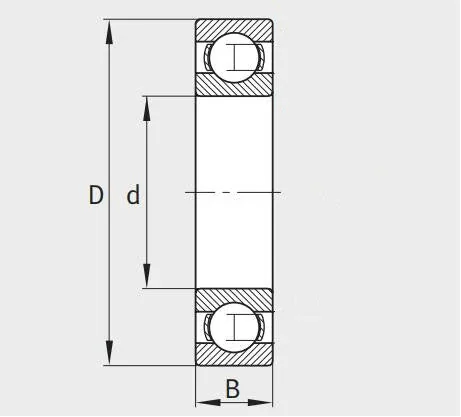
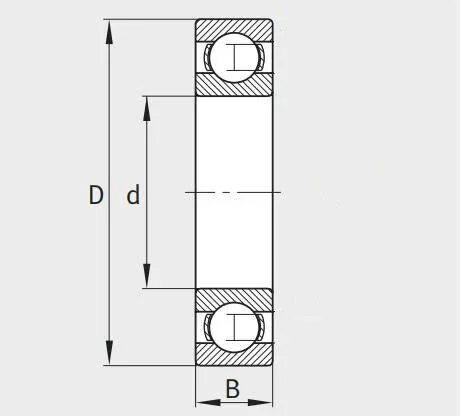
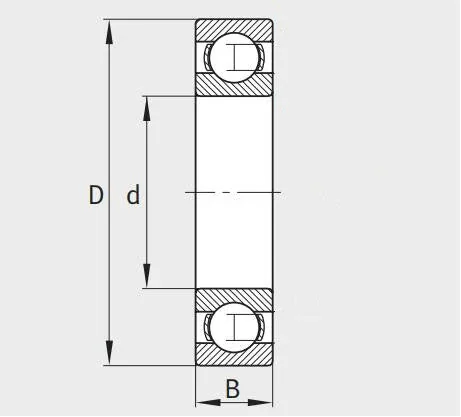
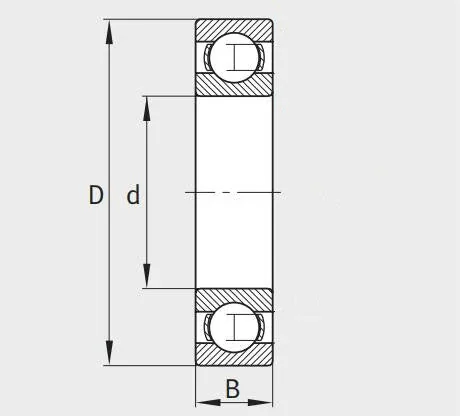
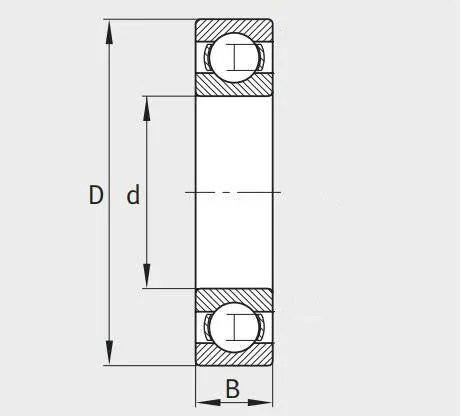
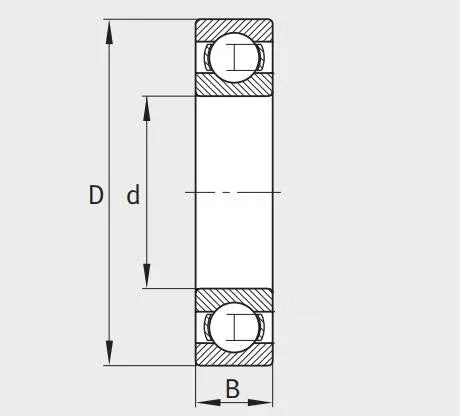
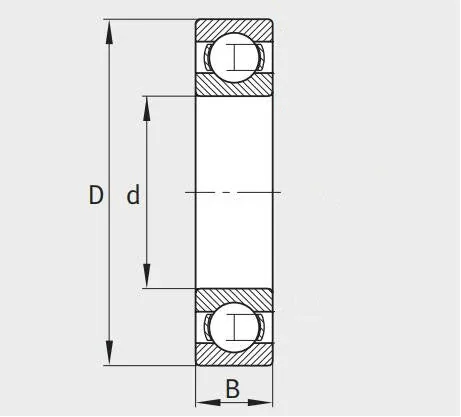
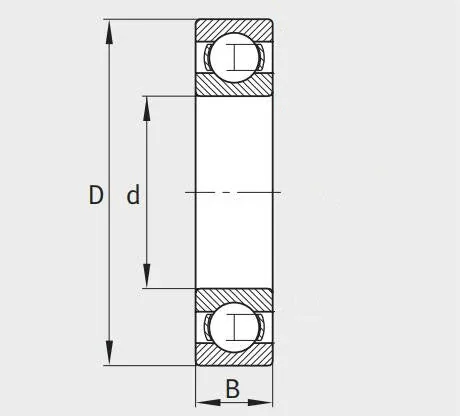
Related Collection Types
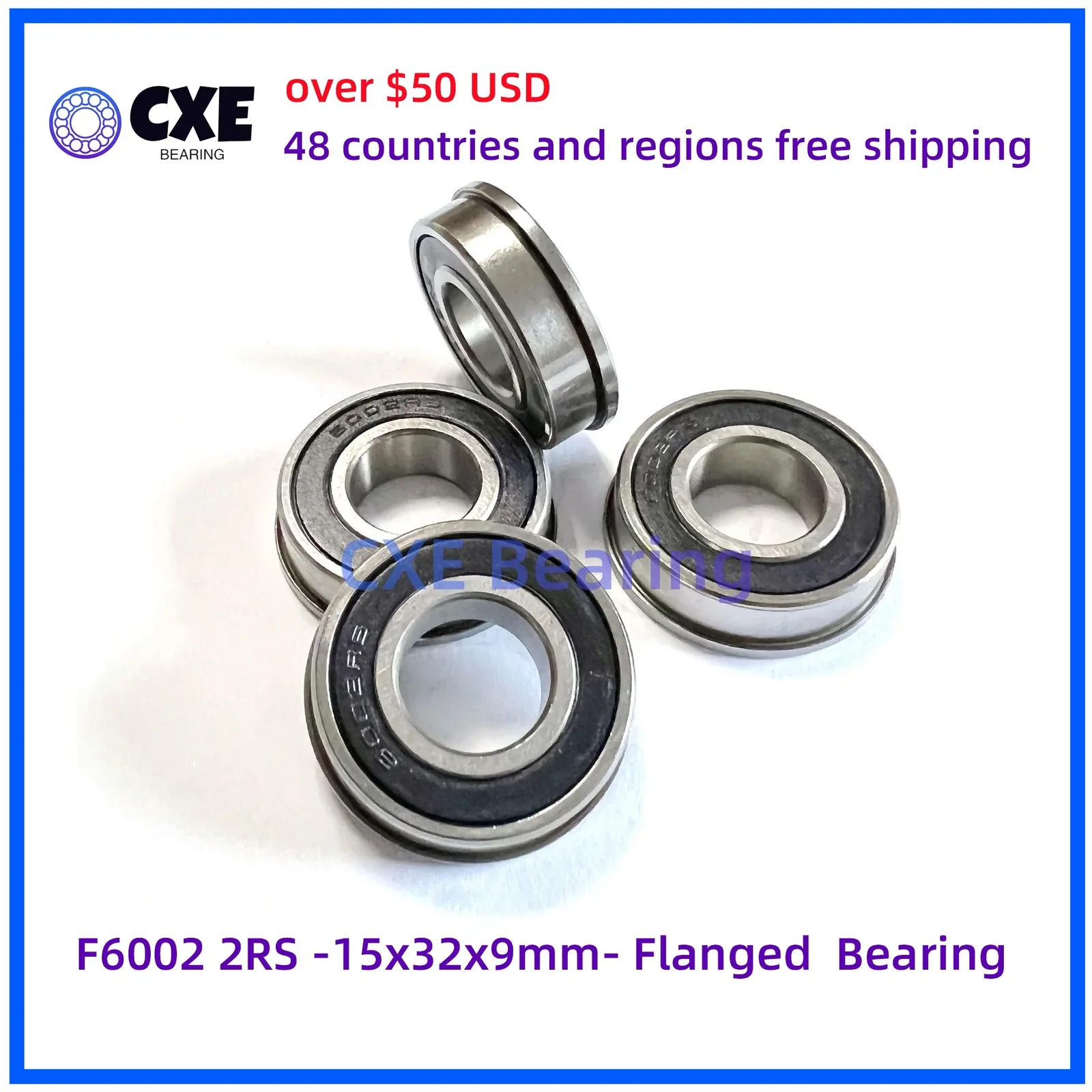
Technical Guide Materials, applications, selection notes, and internal reference links for this collection.
Chrome steel deep groove ball bearings are a common choice for motors, fans, pumps, conveyors, rollers, appliances, and general machinery where a compact radial ball bearing is needed. This collection narrows the broader deep groove ball bearing category to models where chrome bearing steel is the intended material path.
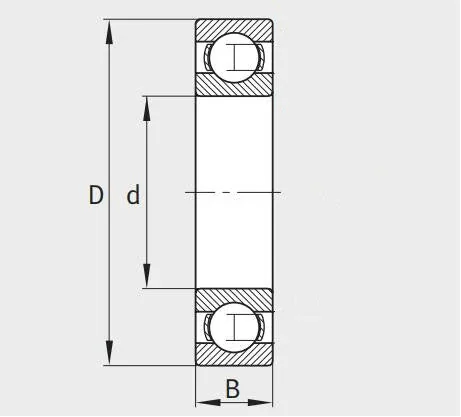
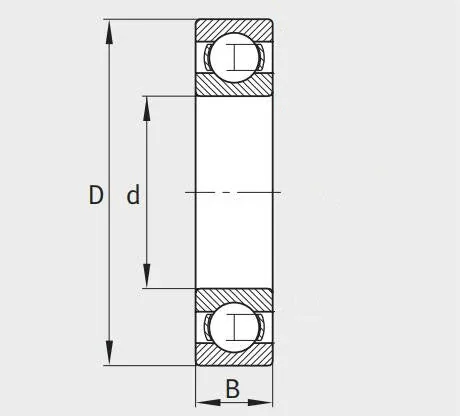
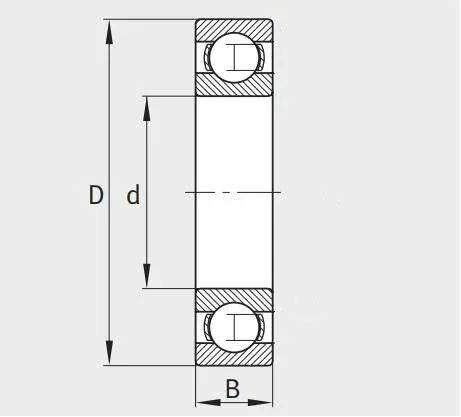
Buyers usually use this page when they already have a bearing number such as a 60, 62, 63, 68, 69, or miniature series model, but still need to confirm the suffix, seal, clearance, lubrication, and operating environment. A bearing with the same bore, outside diameter, and width may not behave the same if the closure, grease, clearance, or fit changes.
Chrome steel is suitable for many standard industrial positions, but it is not a corrosion-first material. If the bearing is used near water, cleaning chemicals, humidity, marine air, or food-processing washdown, compare this collection with stainless steel options before final selection.
Common Applications
Chrome steel deep groove ball bearings are often found in electric motors, fans, small pumps, power tools, conveyors, office equipment, rollers, gearboxes, instruments, and automation equipment. They are useful where the main requirement is smooth radial support, low friction, wide availability, and a familiar replacement number.
They can also handle limited axial load in both directions, but they should not be treated as thrust bearings. If the application has dominant axial load or heavy end thrust, review a thrust bearing or another axial-load design instead of forcing a standard deep groove bearing into the position.
How To Choose
Start by confirming the complete model number, not only the numeric series. Suffixes such as ZZ, 2RS, C3, N, or NR can change the bearing behavior or mounting detail. If the marking is not readable, measure bore, outside diameter, and width, then check the shaft, housing, and original closure type.
| Buyer question | Why it matters |
|---|---|
| Is the bearing open, shielded, or sealed? | Closure changes contamination protection, grease retention, friction, and speed behavior |
| Is the clearance standard or C3? | Mounted clearance can change after press fit, temperature rise, and speed |
| Is the equipment clean or contaminated? | Dust, washdown, or humidity may require a different seal or material |
| Is speed a key requirement? | Grease, cage, seal drag, precision, and heat control must be checked |
| Is there axial load? | Deep groove bearings allow limited axial load, not high thrust load |
| Is low noise required? | Motors and instruments may need attention to grease, precision, and handling |
For size-first searching, metric ball bearing paths can help when the main task is matching bore, OD, width, and standard metric series. For small and inch-dimension replacements, compare miniature inch series options as well.
Material, Seal, Load, And Speed Notes
Chrome steel is normally chosen for strength, fatigue performance, and cost efficiency in protected machinery. It should be kept lubricated and protected from moisture. If a bearing failed because of rust, staining, or chemical exposure, the replacement discussion should include stainless steel, better sealing, or a different housing arrangement.
Closure choice is one of the most common replacement traps. ZZ shields are often selected for grease retention and lower drag in cleaner applications. 2RS seals improve contamination protection but may create more friction and heat. Open bearings can work well when external lubrication or machine sealing is already part of the design.
Speed cannot be judged by material alone. A chrome steel bearing may be suitable for high rpm only when the grease, cage, clearance, precision, fit, and seal type all match the operating conditions. If heat appears immediately after installation, check mounting fit, alignment, grease fill, preload, and seal drag before assuming the material is wrong.
Related Collection Paths
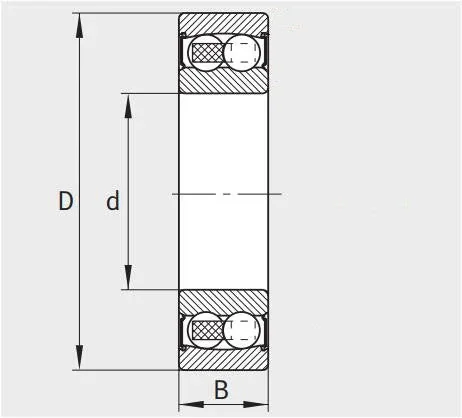
Useful next paths include chrome steel bearings for the wider material hub, deep groove ball bearings for all material options in this bearing family, angular contact ball bearings chrome steel when axial stiffness is more important, and self-aligning ball bearings chrome steel when misalignment must be handled by the bearing design.
RFQ Guidance
For a replacement or sourcing request, send the complete bearing number, suffix, quantity, bore, outside diameter, width, seal or shield type, clearance, speed, load direction, and operating environment. Photos of the old bearing, packaging label, and machine position help confirm whether a standard chrome steel deep groove bearing is the right path or whether stainless, sealed, C3, low-noise, or another specification should be reviewed.