GCR15 Bearings Overview
Compare representative CXE Bearing products by dimensions, material, and seal type. Use the left navigation to switch collections without returning to the catalog home.
Products In This Collection
Browse all matching CXE Bearing products in this collection. Each row shows dimensions, material, seal type, public reference price, and the fastest RFQ path.
121-240 / 344 products
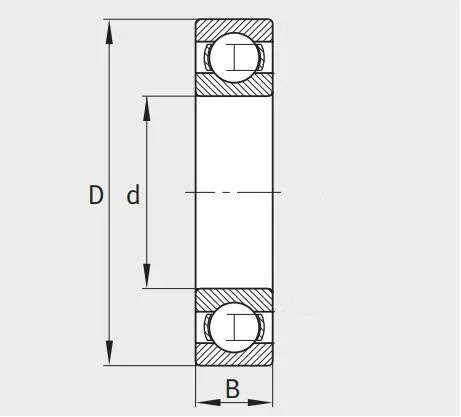
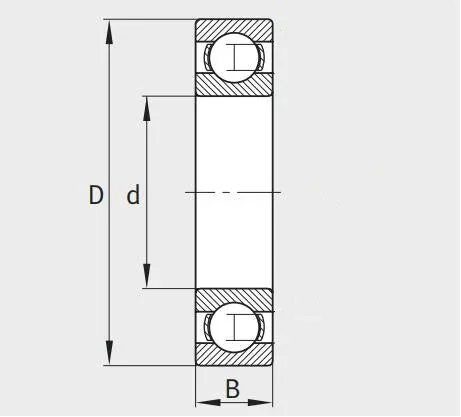
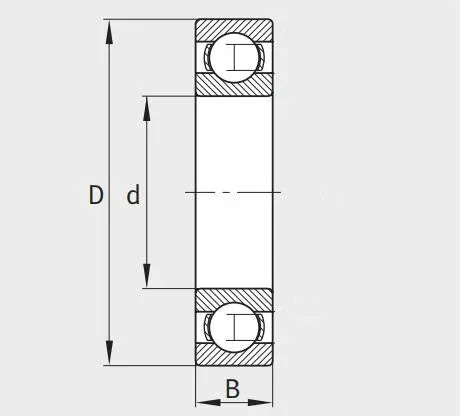
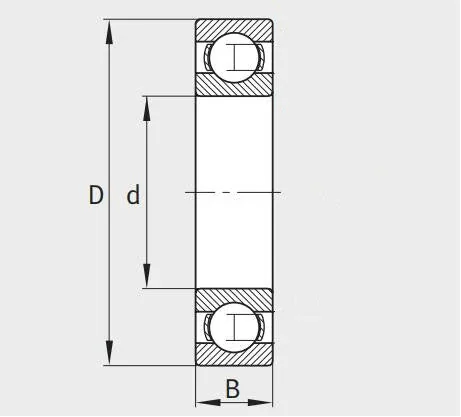
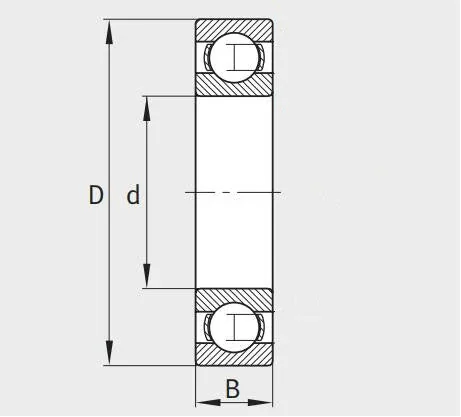
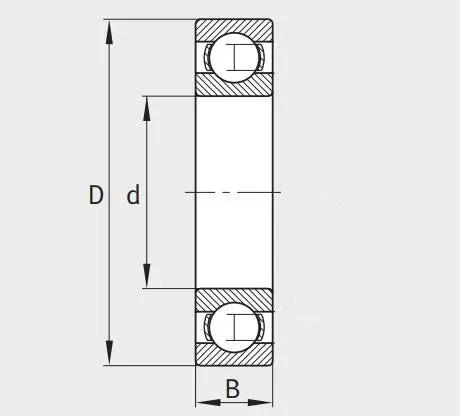
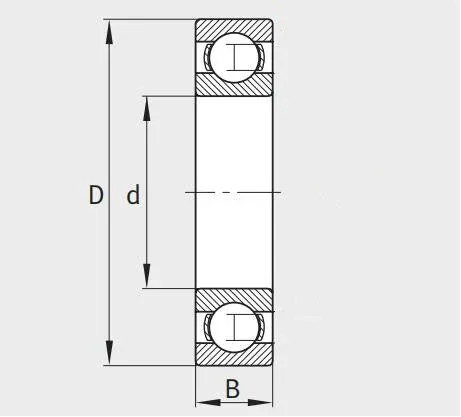
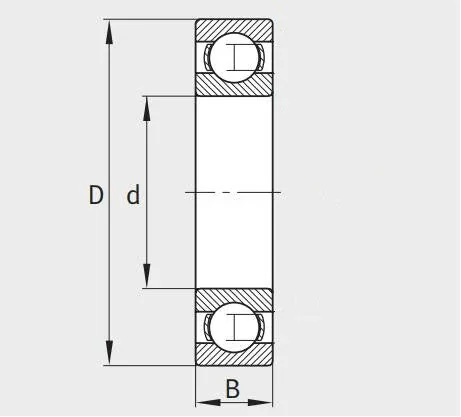
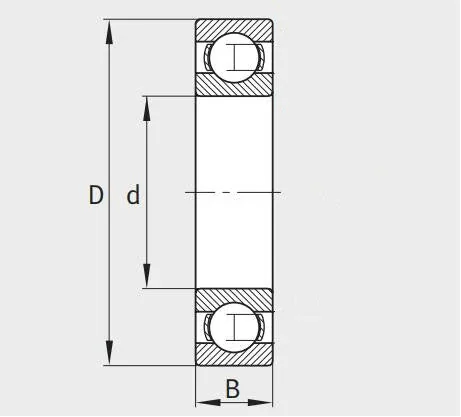
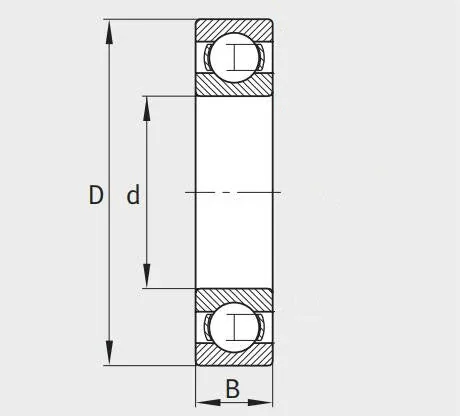
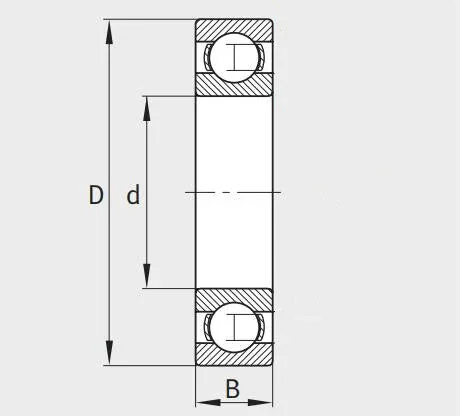
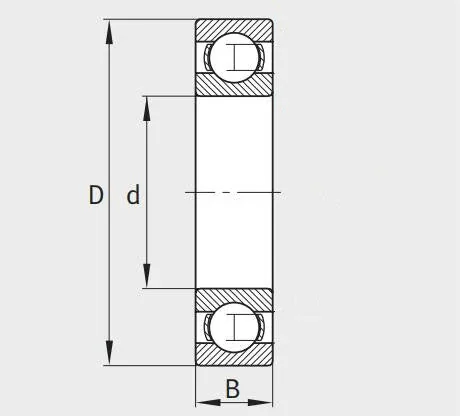
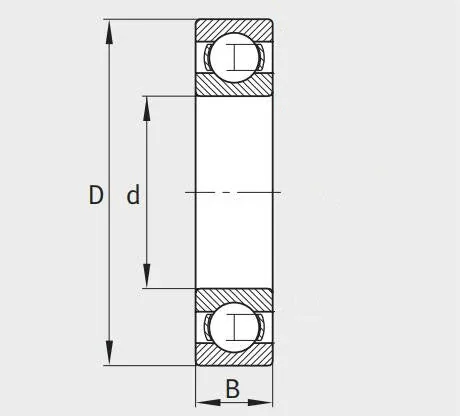
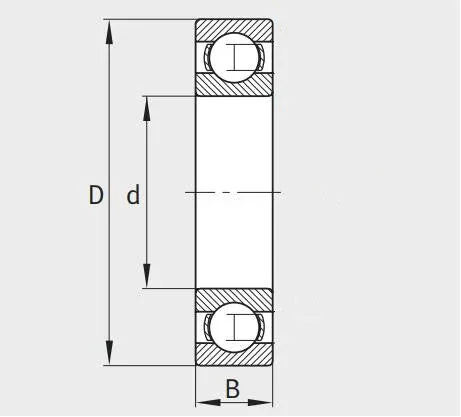
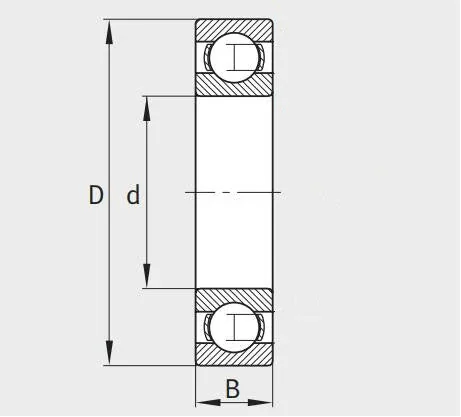
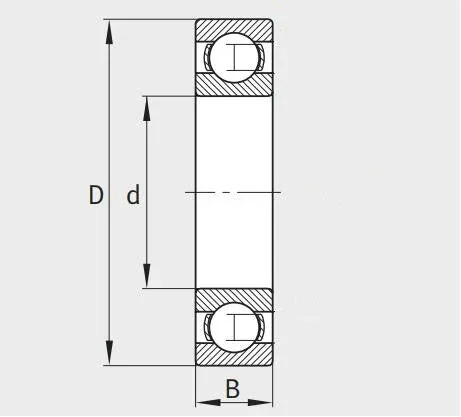
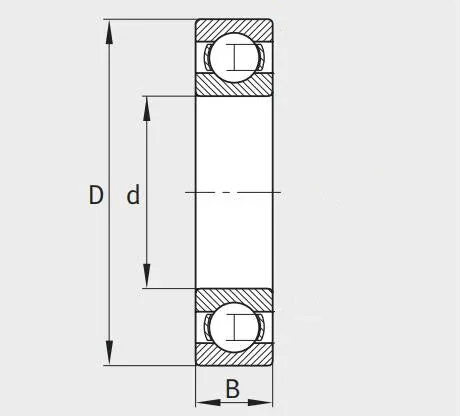
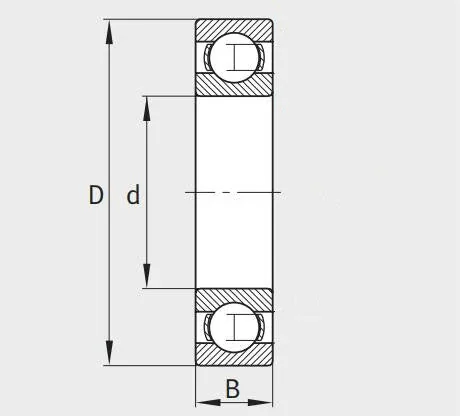
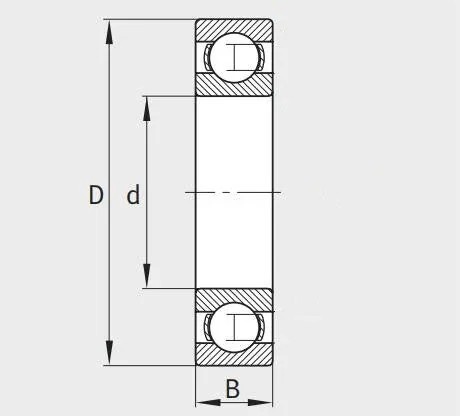
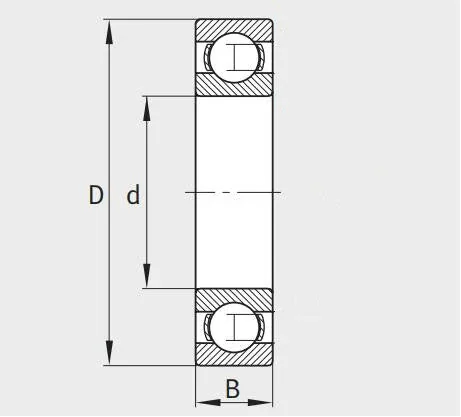
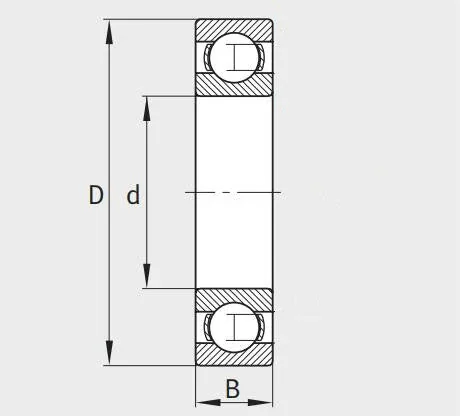
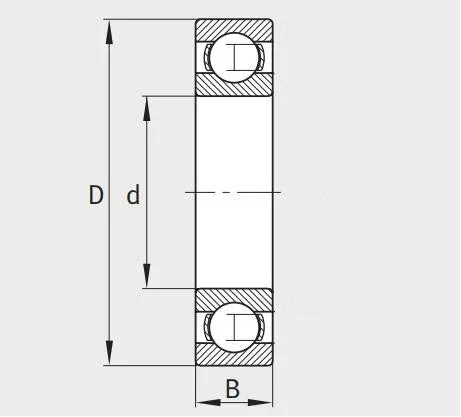
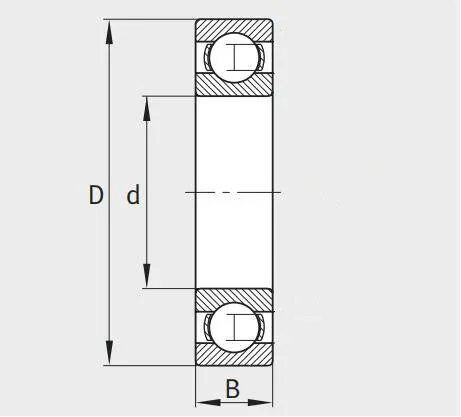
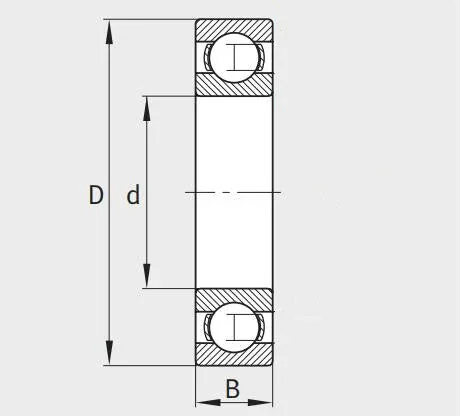
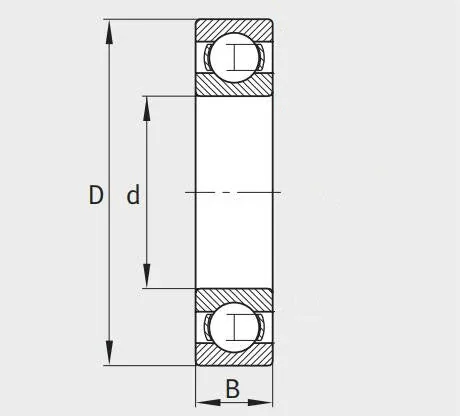
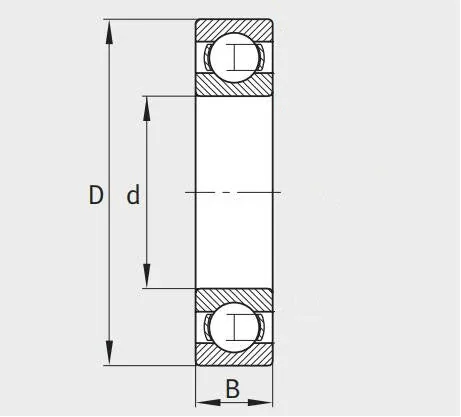
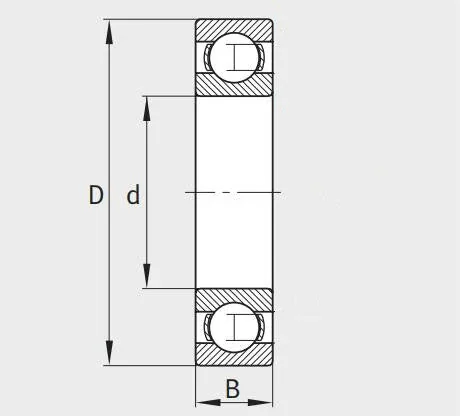
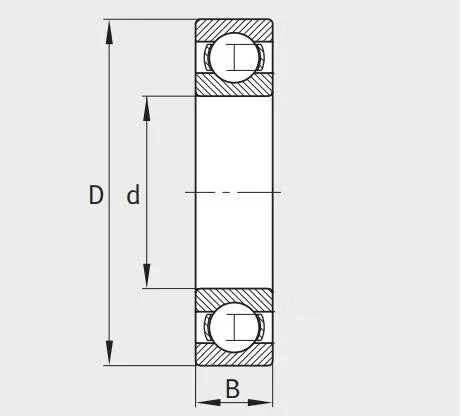
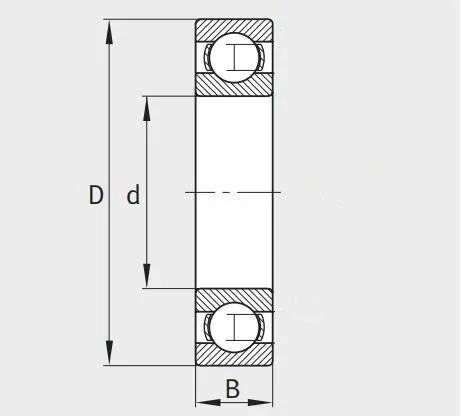
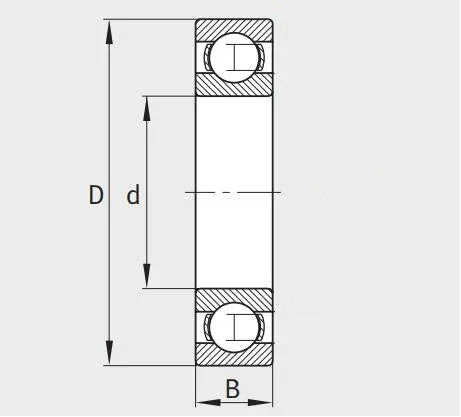
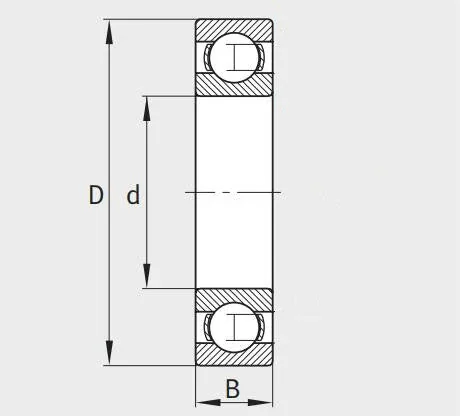
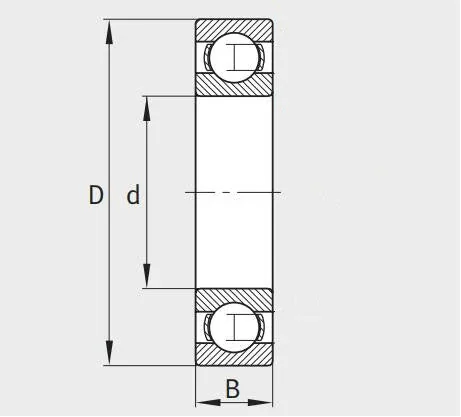
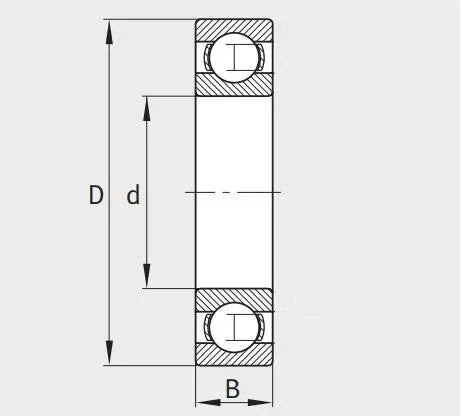
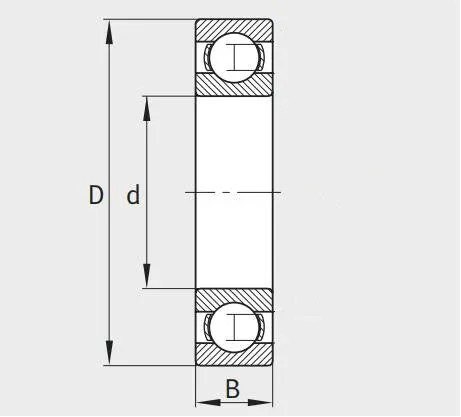
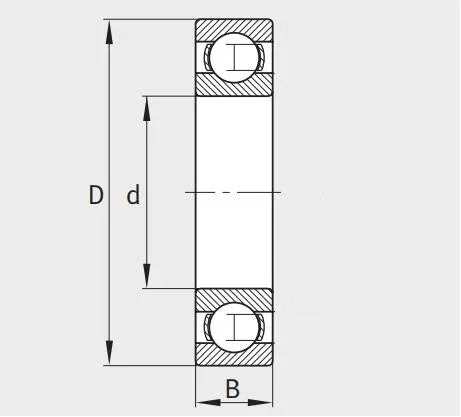
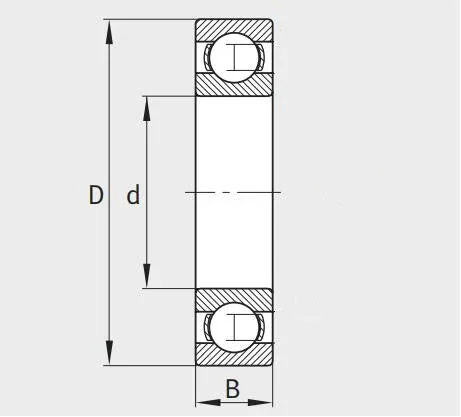
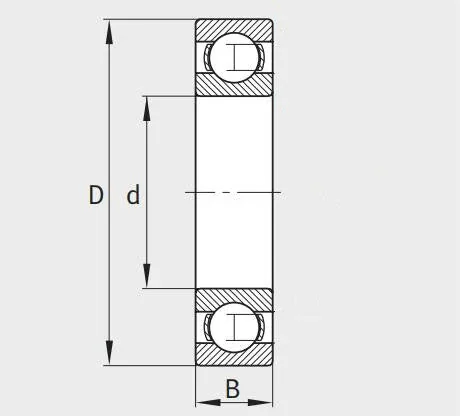
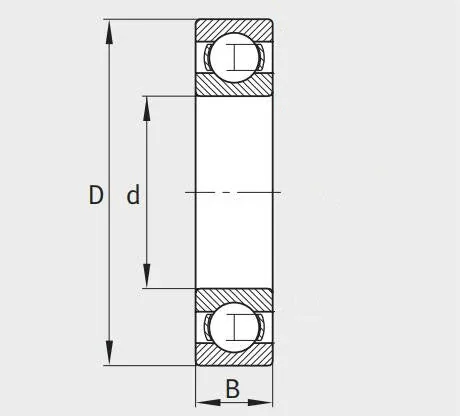
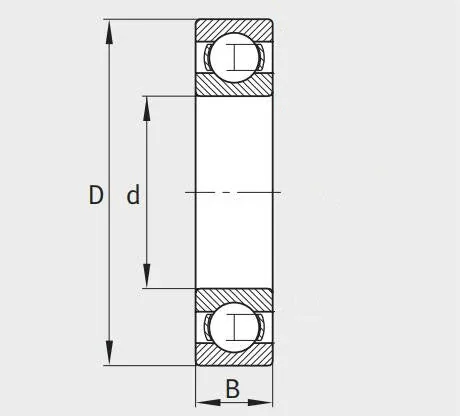
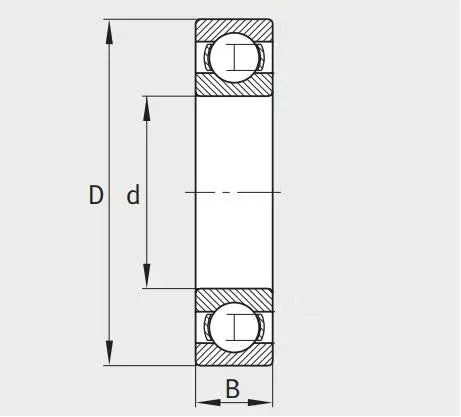
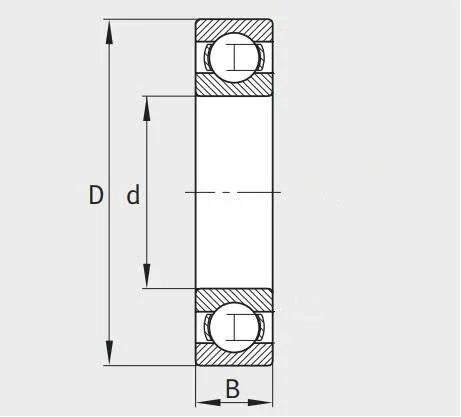
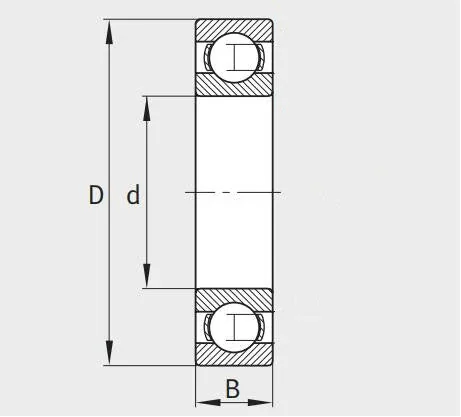
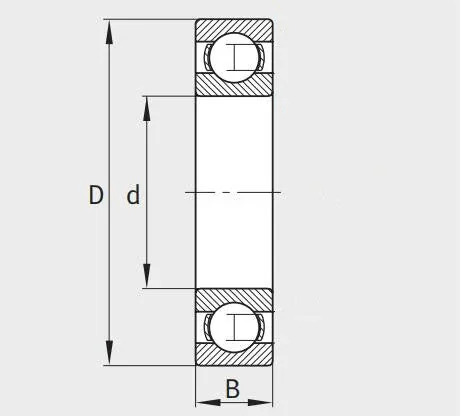
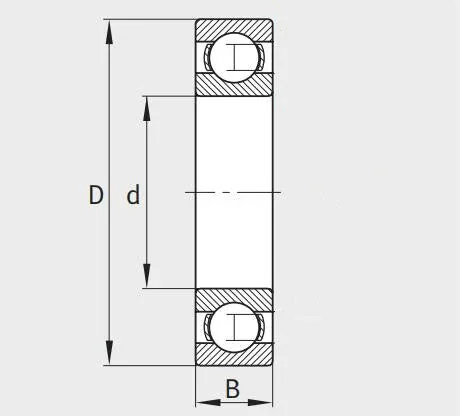
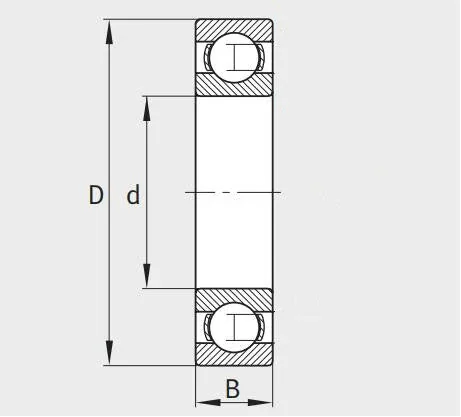
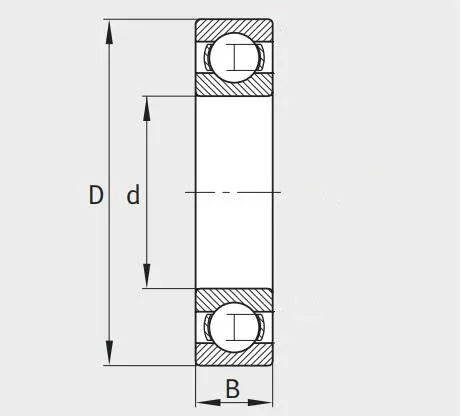
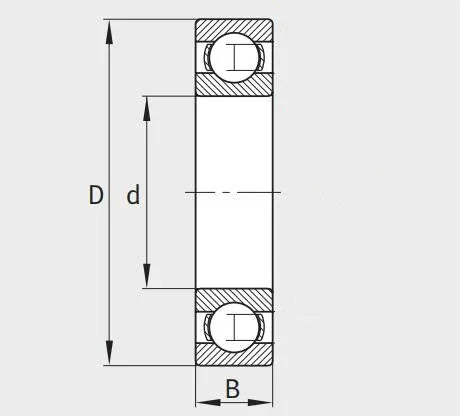
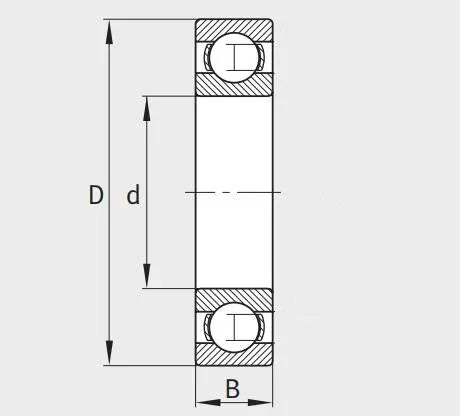
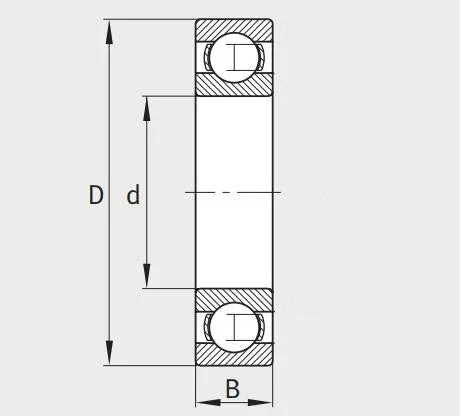
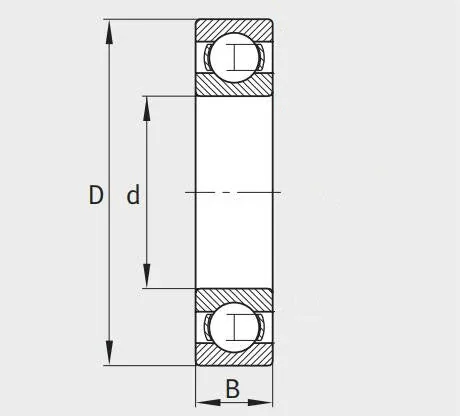
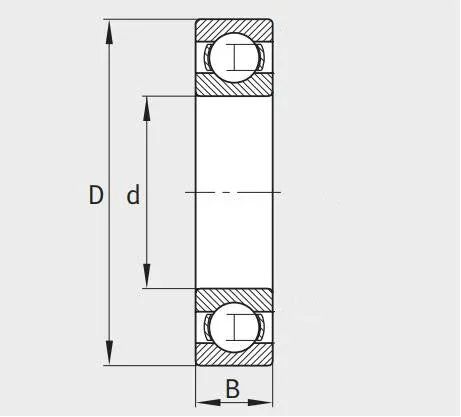
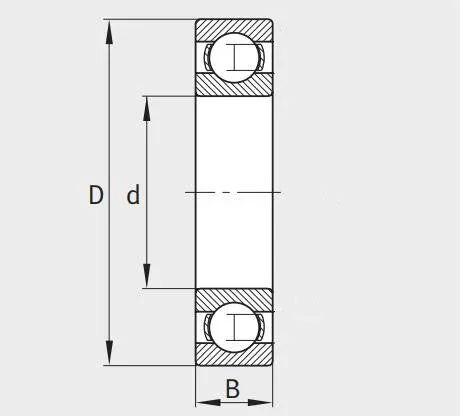
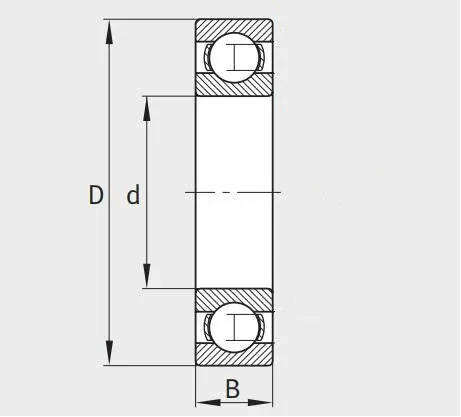
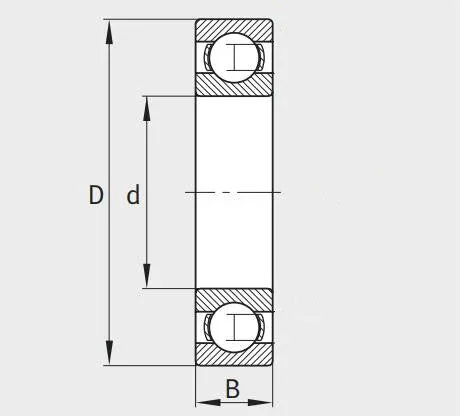
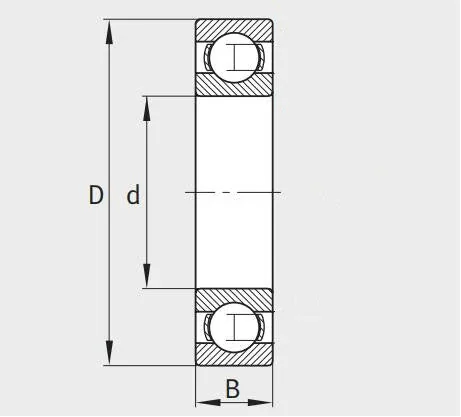
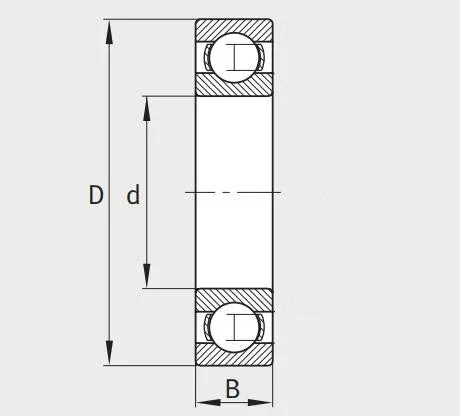
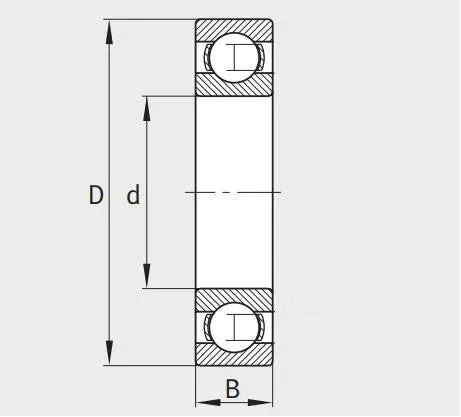
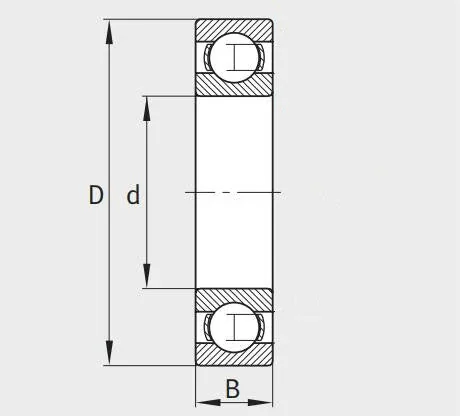
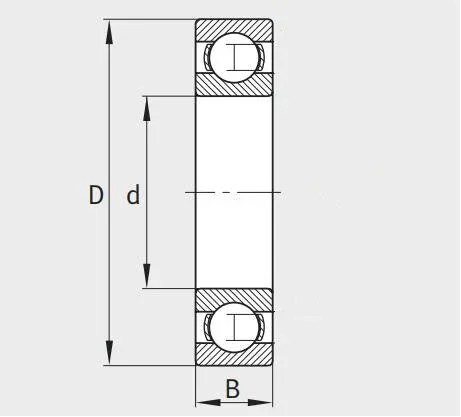
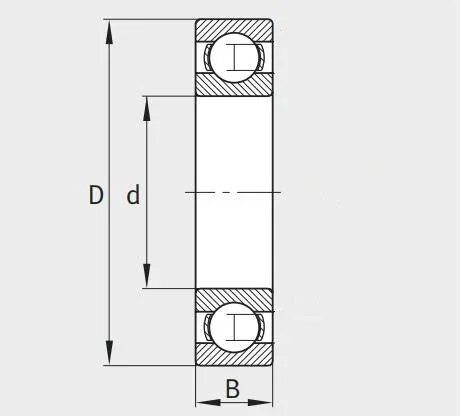
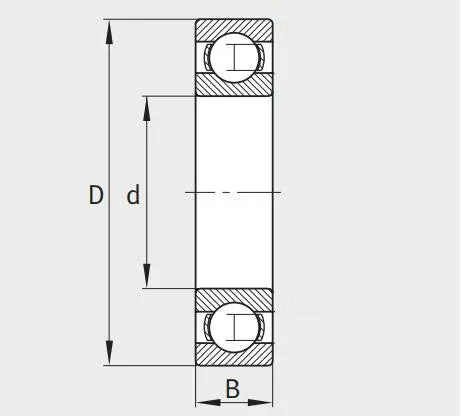
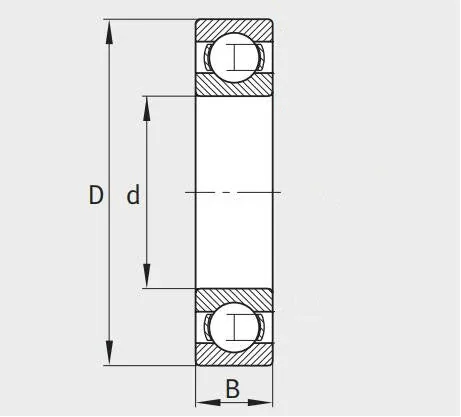
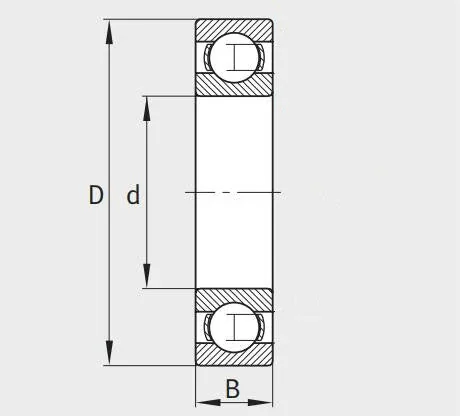
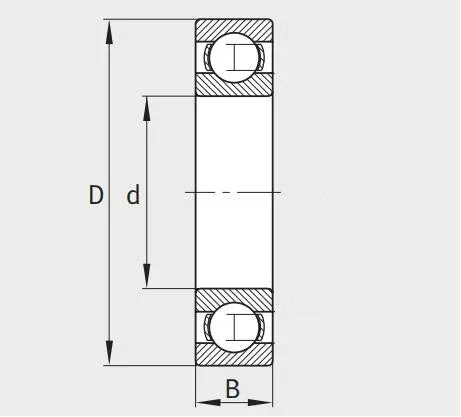
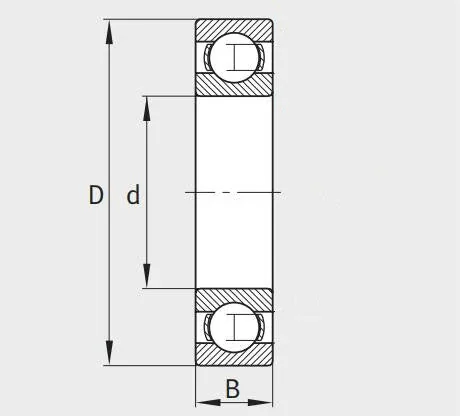
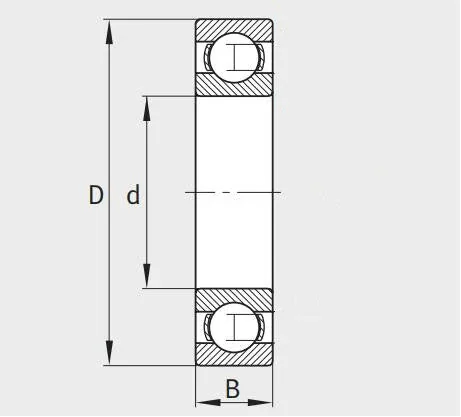
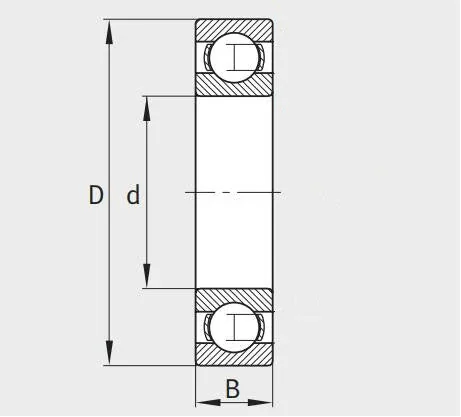
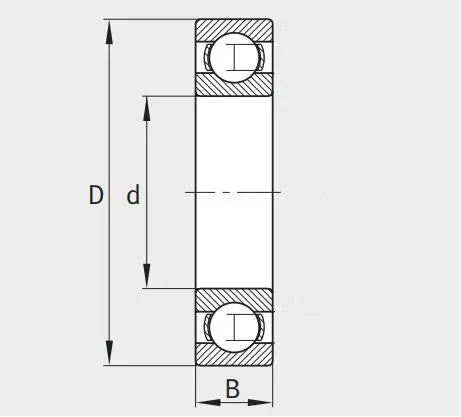
Related Collection Types
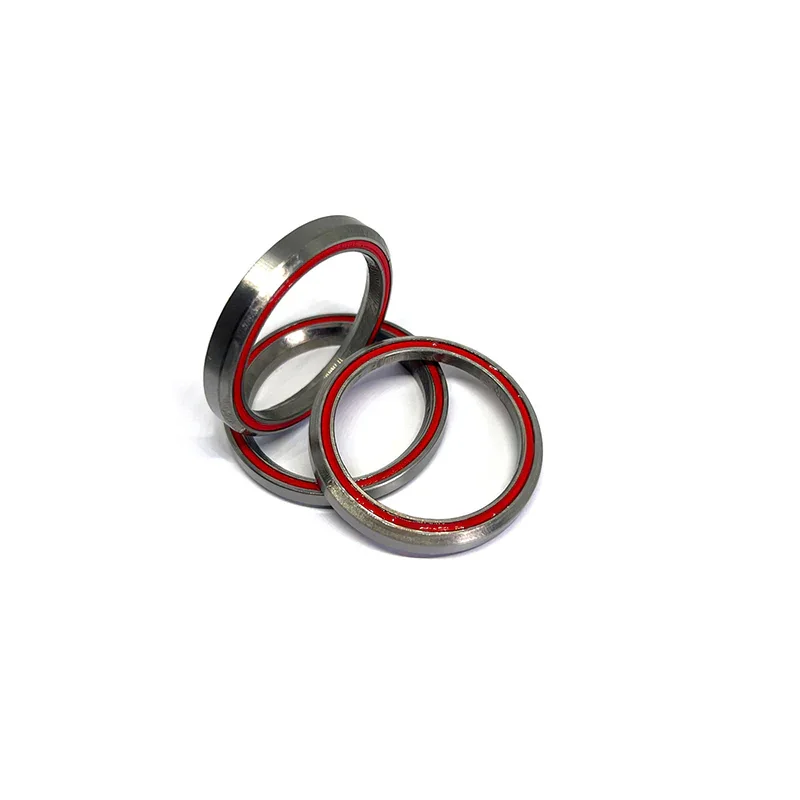
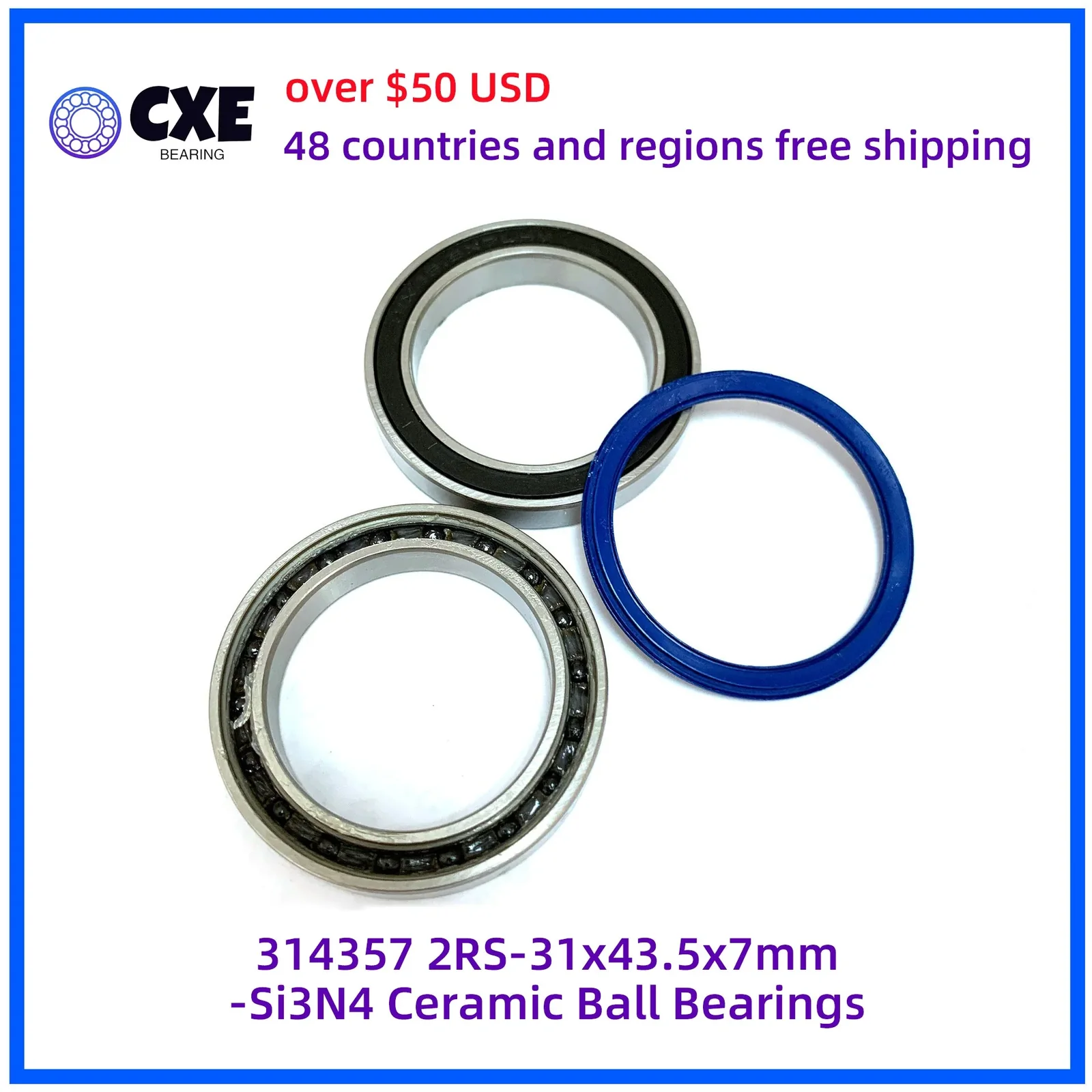
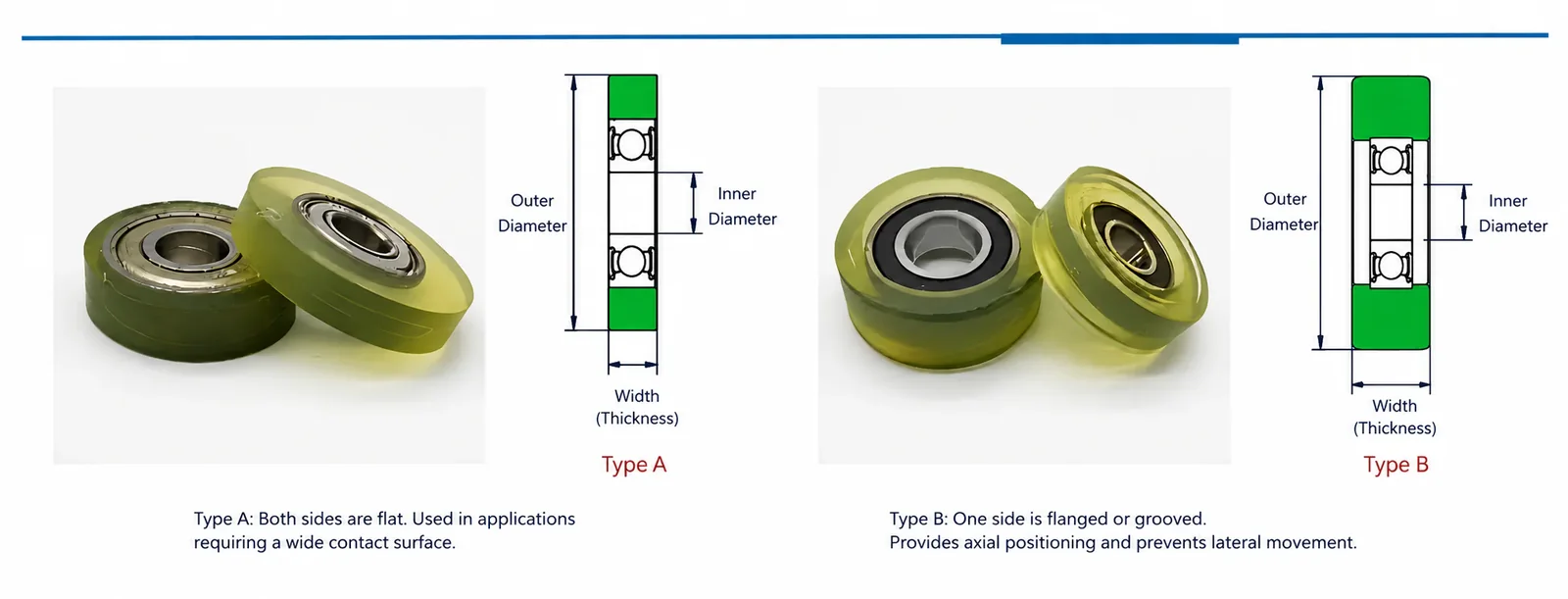
Technical Guide Materials, applications, selection notes, and internal reference links for this collection.
Chrome steel bearings are commonly selected when a buyer needs a strong, economical bearing for dry or lightly protected machinery. This collection is useful for motors, fans, pumps, conveyors, gearboxes, rollers, and general industrial equipment where corrosion is not the main problem and the bearing must be chosen by size, load direction, seal type, speed, clearance, and replacement number.
Chrome bearing steel is often discussed alongside GCR15, 52100, 100Cr6, or similar high-carbon chromium bearing steels. The practical buying question is not only the material name. Buyers should also confirm the bearing family, dimensions, closure type, cage, lubrication, precision requirement, and operating environment before replacing or sourcing a model.
Use this page as a material hub when you already know chrome steel is acceptable. If the application has washdown, humidity, chemical exposure, or regular contact with water, compare stainless steel or AISI 316 stainless steel options before confirming the material.
Common Applications
Chrome steel bearings are often used in equipment where the bearing runs in a relatively clean, lubricated, and controlled environment. Typical buyer scenarios include electric motor repair, production line rollers, fans, small gearboxes, packaging equipment, automation mechanisms, agricultural support positions with shielding, and general machinery replacement.
They are a good starting point when the application needs a normal industrial bearing with efficient rolling contact and a wide size range. They are not the first choice when the bearing will be exposed to repeated washdown, salt spray, food-processing chemicals, or long-term outdoor moisture without protection.
How To Choose
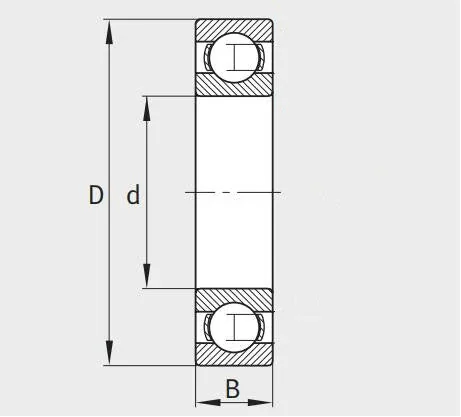
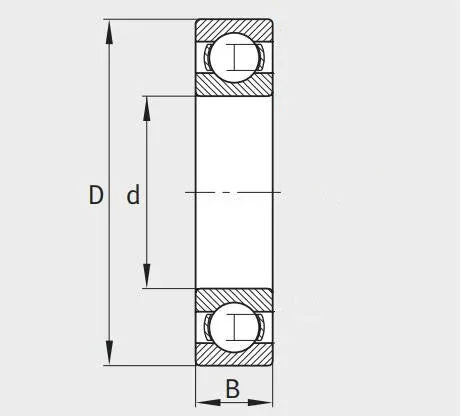
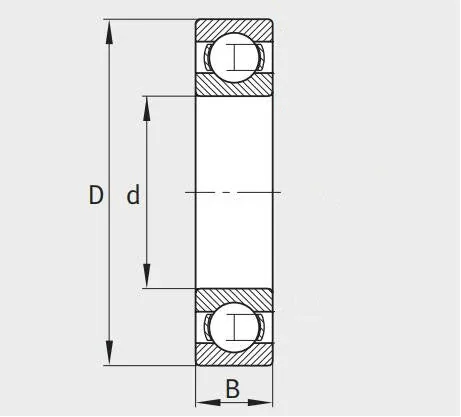
Start with the bearing number if it is visible on the old part. If the marking is damaged, measure bore, outside diameter, and width. Then confirm the bearing type. A chrome steel deep groove bearing, needle roller bearing, self-aligning bearing, and cylindrical roller bearing may all use chrome steel, but they solve different load and alignment problems.
| Selection point | What to confirm |
|---|---|
| Bearing type | Deep groove, angular contact, roller, needle, self-aligning, or another design |
| Dimensions | Bore, outside diameter, width, and any snap-ring or flange detail |
| Closure | Open, ZZ, 2RS, or another shield or seal arrangement |
| Load direction | Mainly radial, mainly axial, combined load, or moment load |
| Speed and heat | Operating rpm, grease, seal drag, and temperature trend |
| Environment | Dry, dusty, wet, washdown, chemical, outdoor, or food-equipment exposure |
| Clearance and fit | CN/C0, C3, press fit, housing fit, and thermal growth |
| Quality requirement | Noise, vibration, precision, inspection, packaging, and traceability needs |
For many rotary positions, deep groove ball bearings are the first bearing type to check. For chrome steel deep groove models specifically, use the more specific chrome steel deep groove collection to narrow the review.
Material, Seal, Load, And Speed Notes
Chrome steel works best when fatigue strength, dimensional stability, and cost efficiency matter more than corrosion resistance. It should normally be protected by suitable lubrication, housing design, seals, shields, or external guards. If a bearing failed from rust, staining, cleaning fluid, or humidity, changing only the bearing number may not solve the problem.
Seal choice affects both protection and heat. Open bearings depend on external lubrication or cleaner surroundings. Metal shields are useful where low drag and grease retention are important. Contact seals improve contamination protection but can increase friction and operating temperature. Do not replace a high-speed shielded bearing with a contact-sealed version without checking heat and torque requirements.
Load and speed should be reviewed together. A bearing that is acceptable at moderate speed may run hot if grease fill, seal drag, mounting fit, or preload are wrong. If the machine has high rpm, confirm the full specification rather than relying on material alone.
Related Collection Paths
Buyers often move from this material hub into a more specific bearing family:
- Deep groove ball bearings chrome steel for common radial ball bearing replacements.
- Metric ball bearings when the main question is bore, OD, width, and standard metric series.
- Self-aligning ball bearings chrome steel when shaft or housing alignment is not perfect.
- Cylindrical roller bearings where high radial load capacity is more important than a compact ball bearing design.
RFQ Guidance
For a chrome steel bearing review, send the bearing number, quantity, dimensions, seal or shield code, clearance, application, speed, load direction, operating environment, and any photos of the old part. If the request is for replacement, include both sides of the bearing marking and the machine position. CXE Bearing can then review whether the request should stay in chrome steel or move toward stainless, sealed, higher-clearance, or another bearing family.