Ceramic Bearings for Speed, Corrosion, and Electrical Isolation Overview
Compare representative CXE Bearing products by dimensions, material, and seal type. Use the left navigation to switch collections without returning to the catalog home.
Products In This Collection
Browse all matching CXE Bearing products in this collection. Each row shows dimensions, material, seal type, public reference price, and the fastest RFQ path.
1-9 / 9 products
| Image | Product | Bore | OD | Width | Material | Seal | Reference Price | RFQ |
|---|---|---|---|---|---|---|---|---|
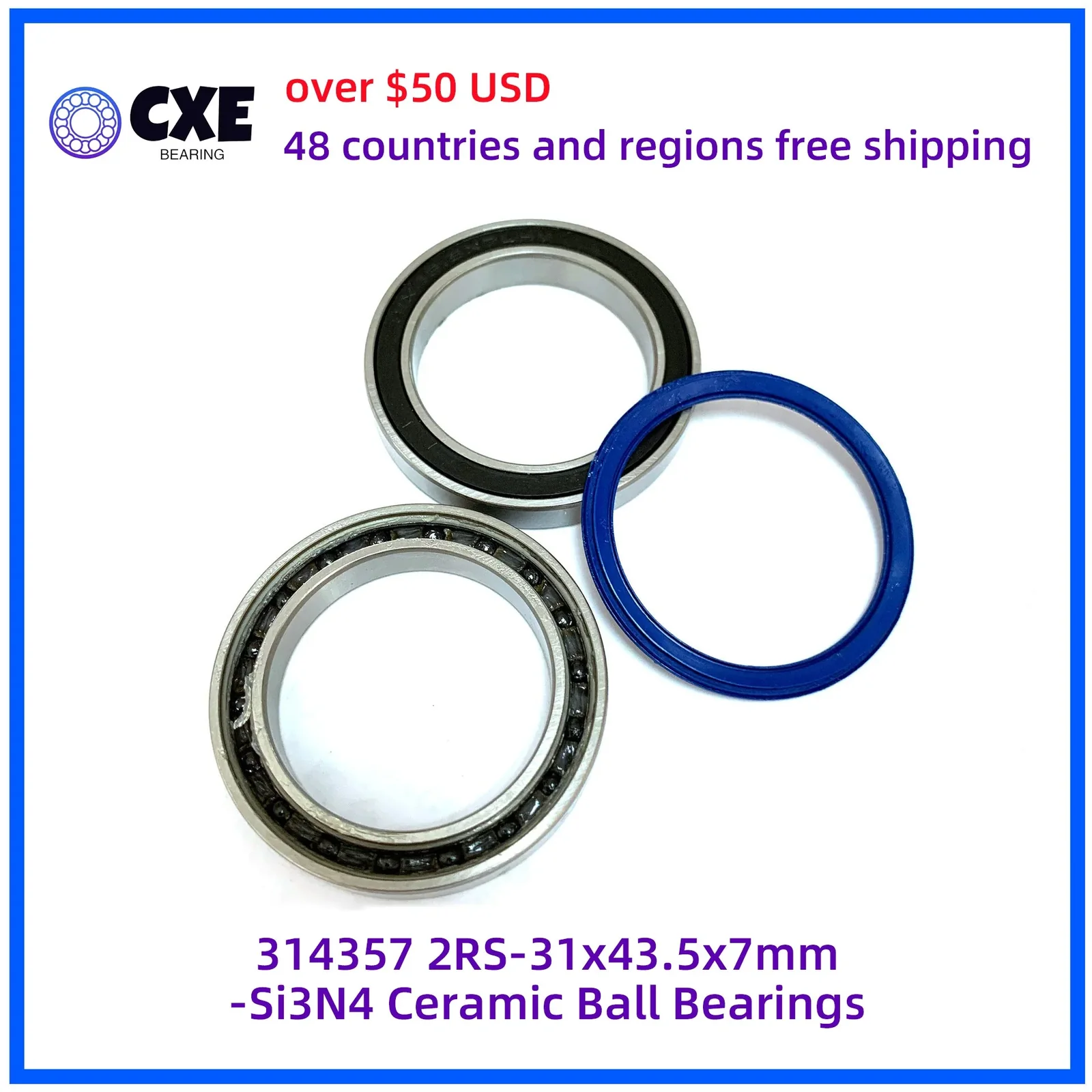 | 314357 2RS-31 x 43.5 x 7 mm-Si3N4 Ceramic Ball Bearings | 31 mm | 43.5 mm | 7 mm | Ceramic | 2RS | On request | RFQ |
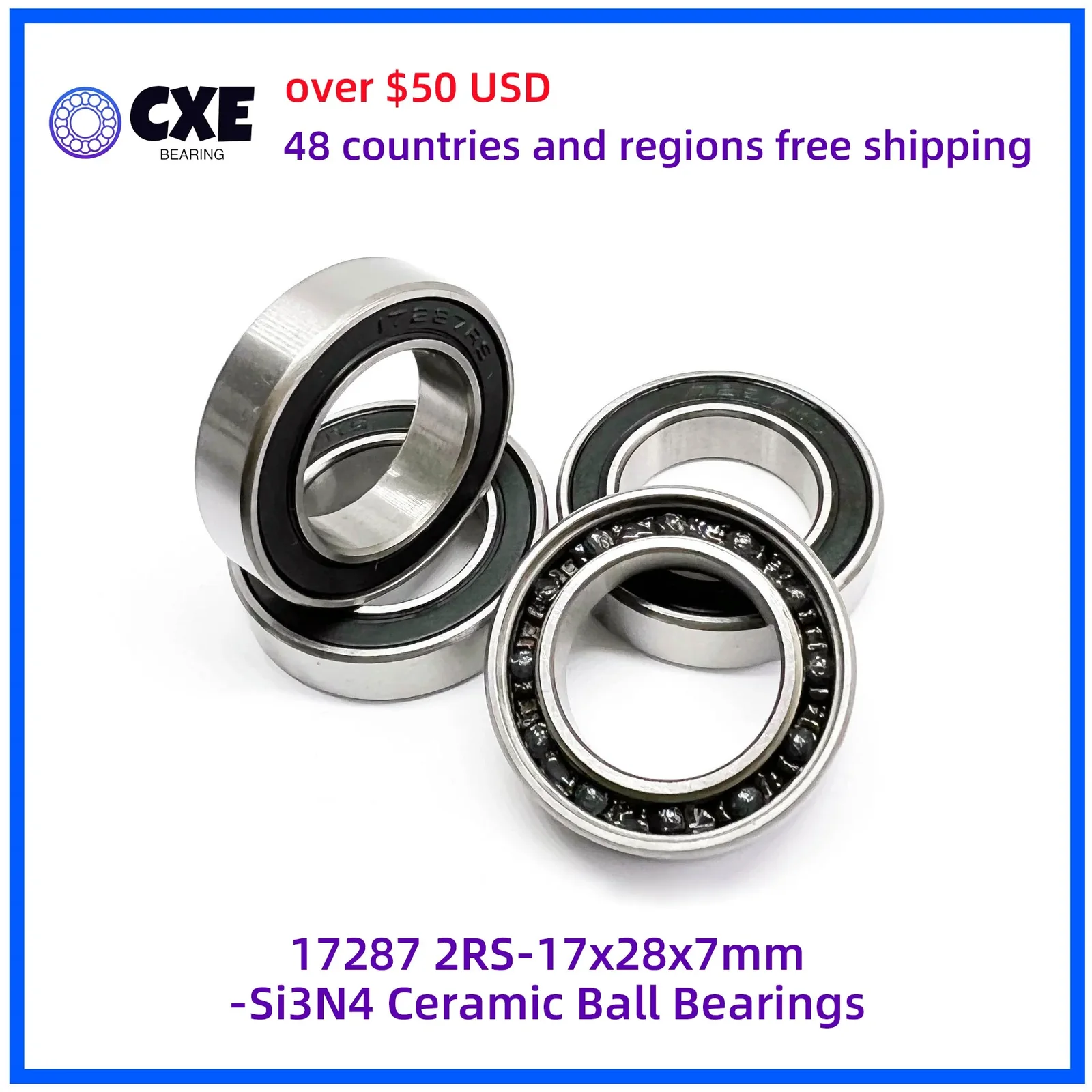 | 17287-2RS 17 x 28 x 7 mm Bearing | 17 mm | 28 mm | 7 mm | Ceramic | 2RS | On request | RFQ |
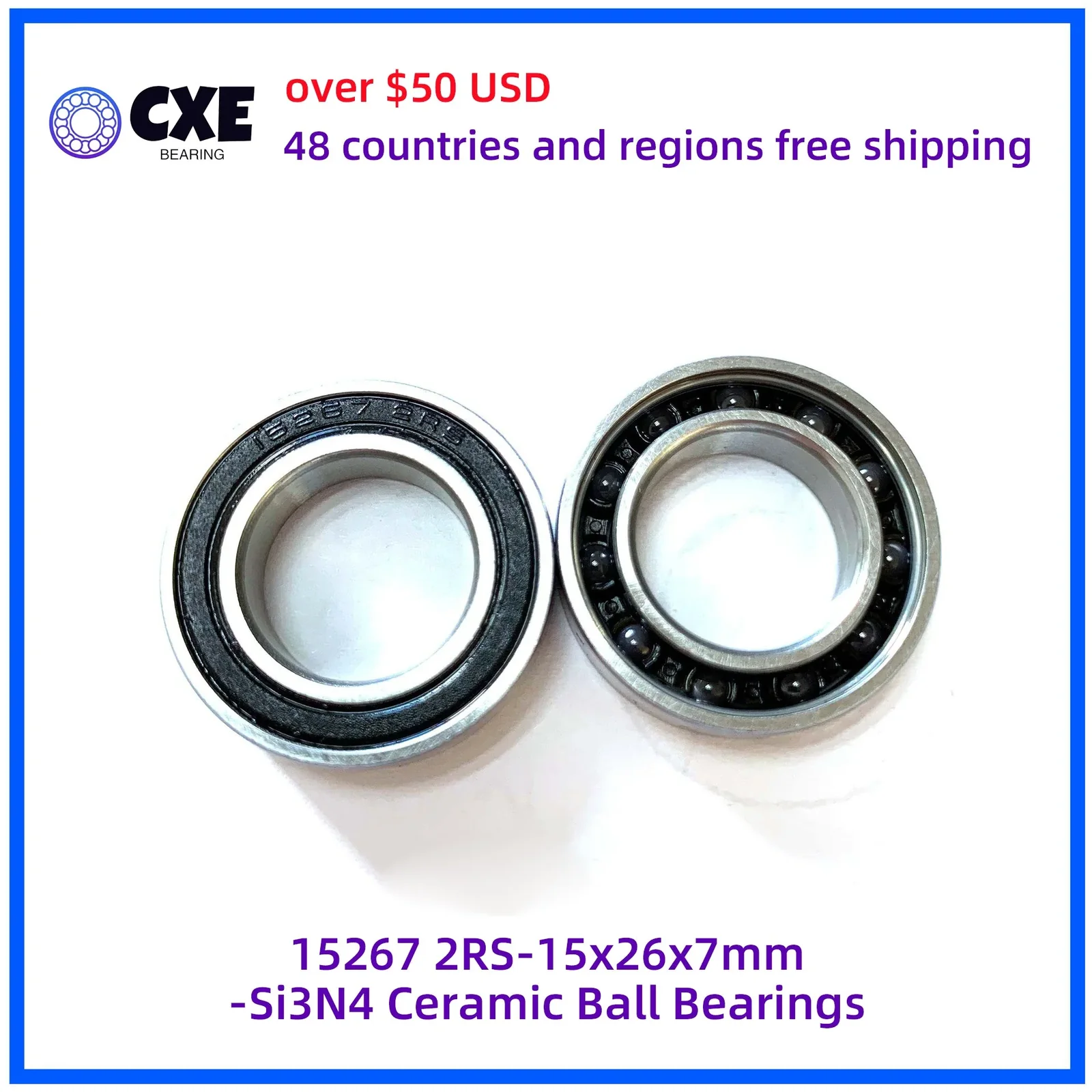 | 15267-2RS 15 x 26 x 7 mm Bearing | 15 mm | 26 mm | 7 mm | Ceramic | 2RS | On request | RFQ |
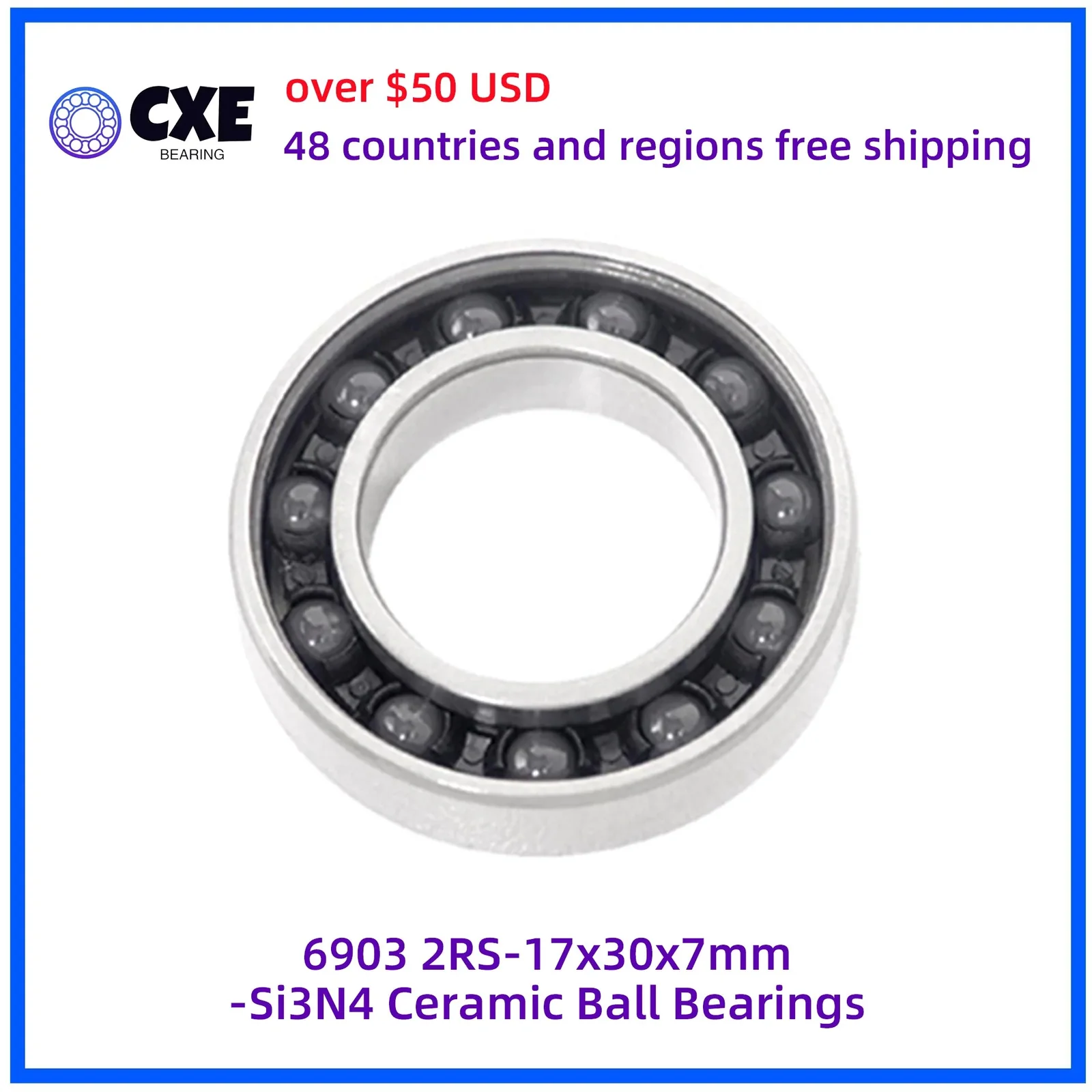 | 6903-2RS 17 x 30 x 7 mm Bearing | 17 mm | 30 mm | 7 mm | Ceramic | 2RS | On request | RFQ |
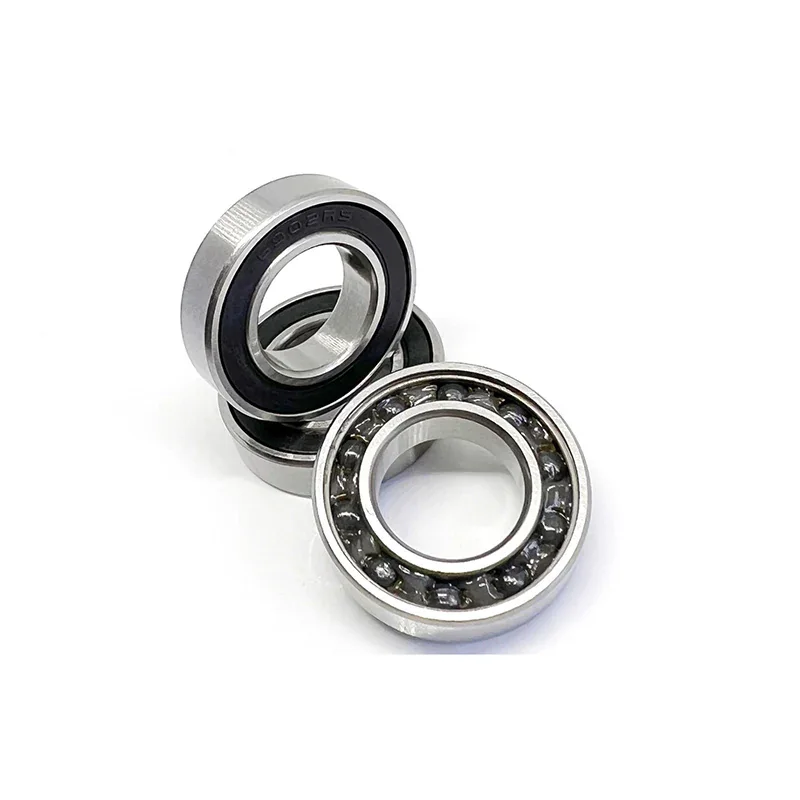 | 6902-2RS 15 x 28 x 7 mm Bearing | 15 mm | 28 mm | 7 mm | Ceramic | 2RS | On request | RFQ |
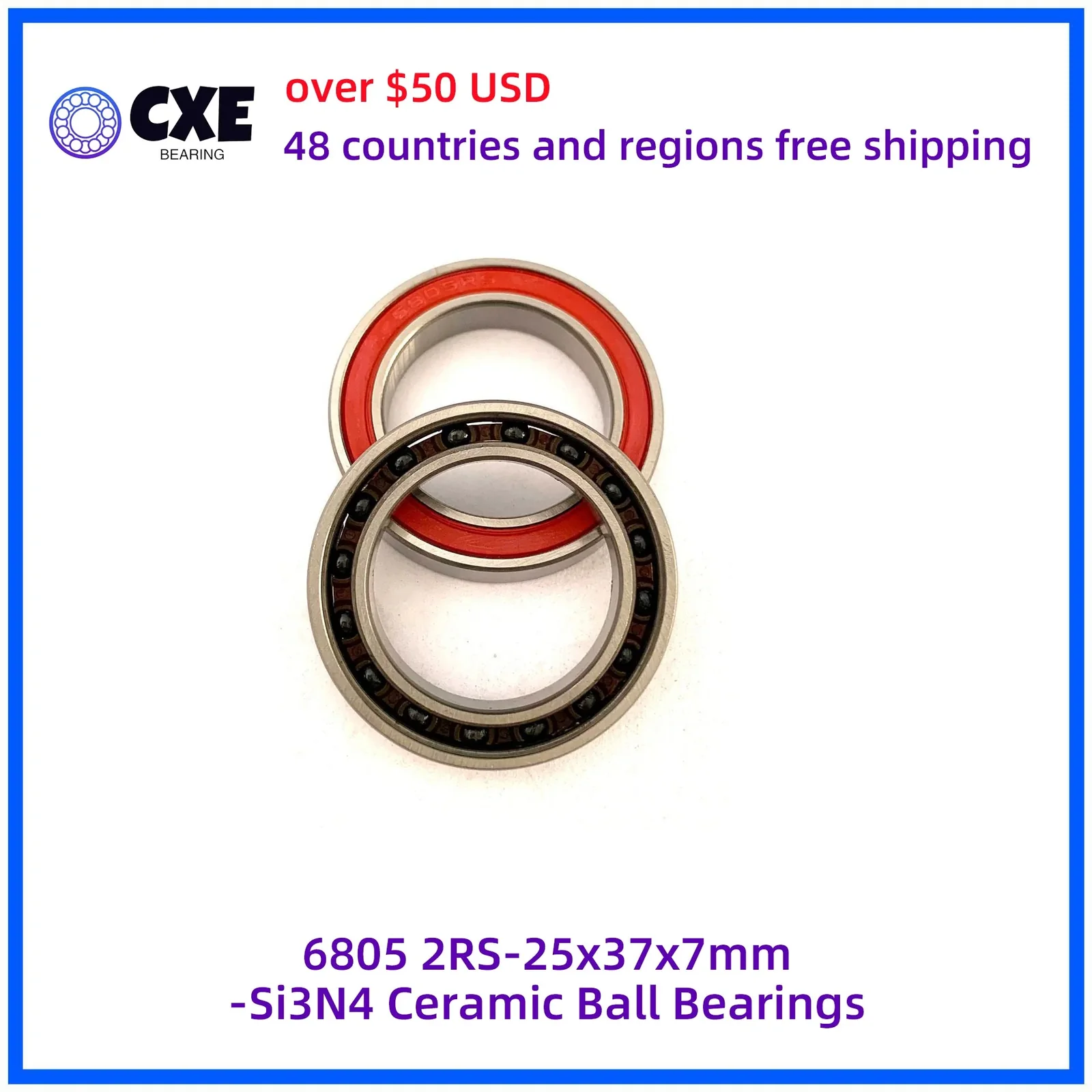 | 6805-2RS 25 x 37 x 7 mm Bearing | 25 mm | 37 mm | 7 mm | Ceramic | 2RS | On request | RFQ |
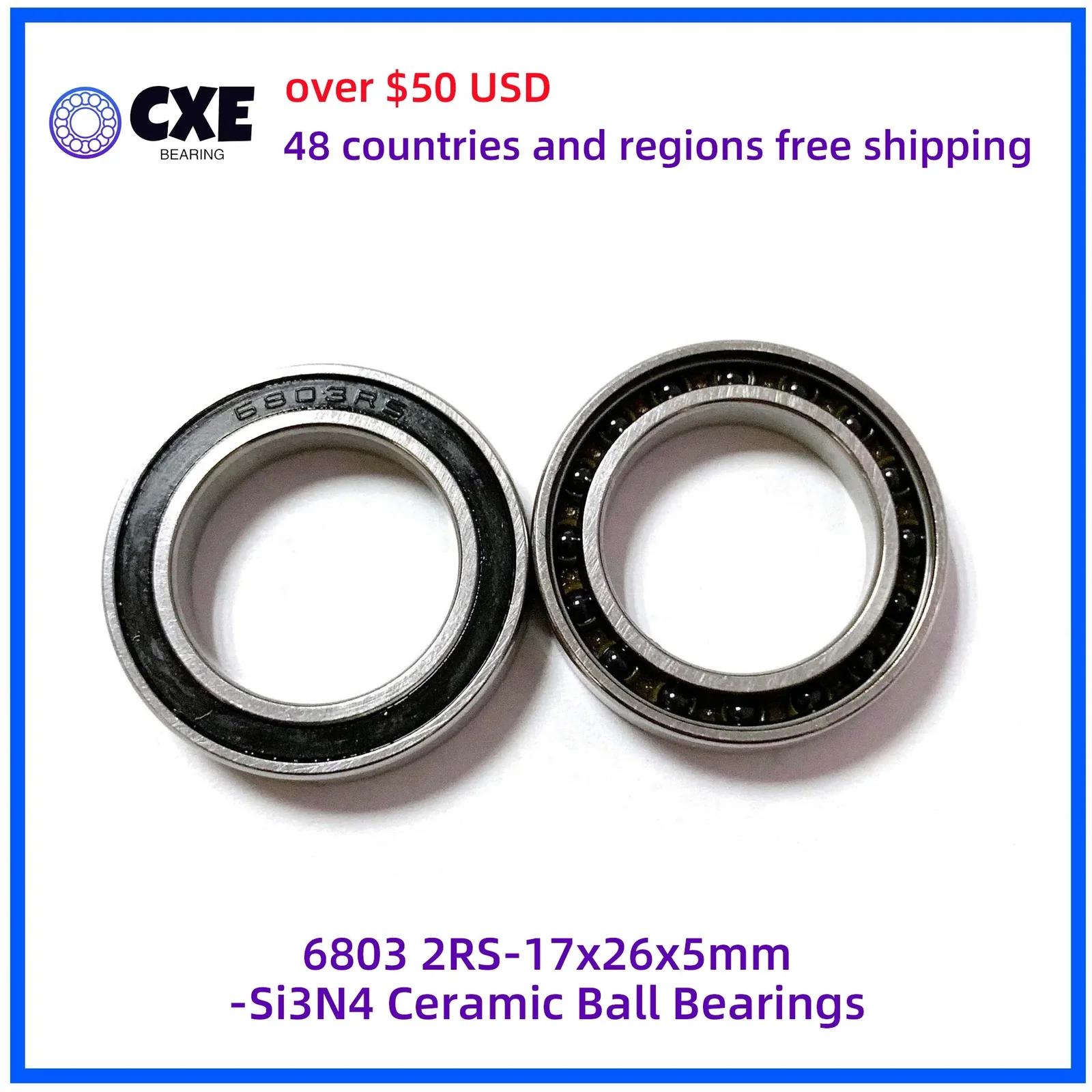 | 6803-2RS 17 x 26 x 5 mm Bearing | 17 mm | 26 mm | 5 mm | Ceramic | 2RS | On request | RFQ |
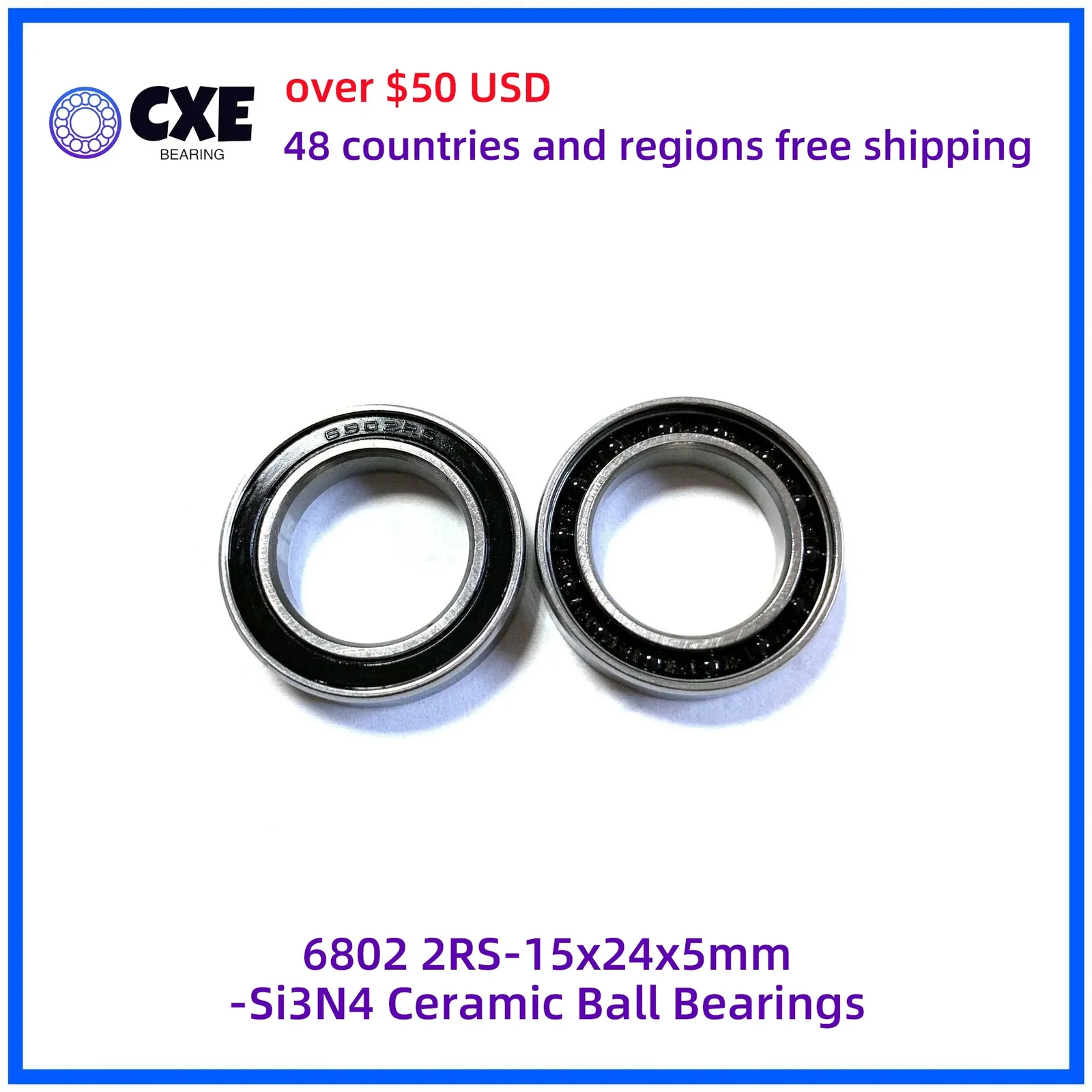 | 6802-2RS 15 x 24 x 5 mm Bearing | 15 mm | 24 mm | 5 mm | Ceramic | 2RS | On request | RFQ |
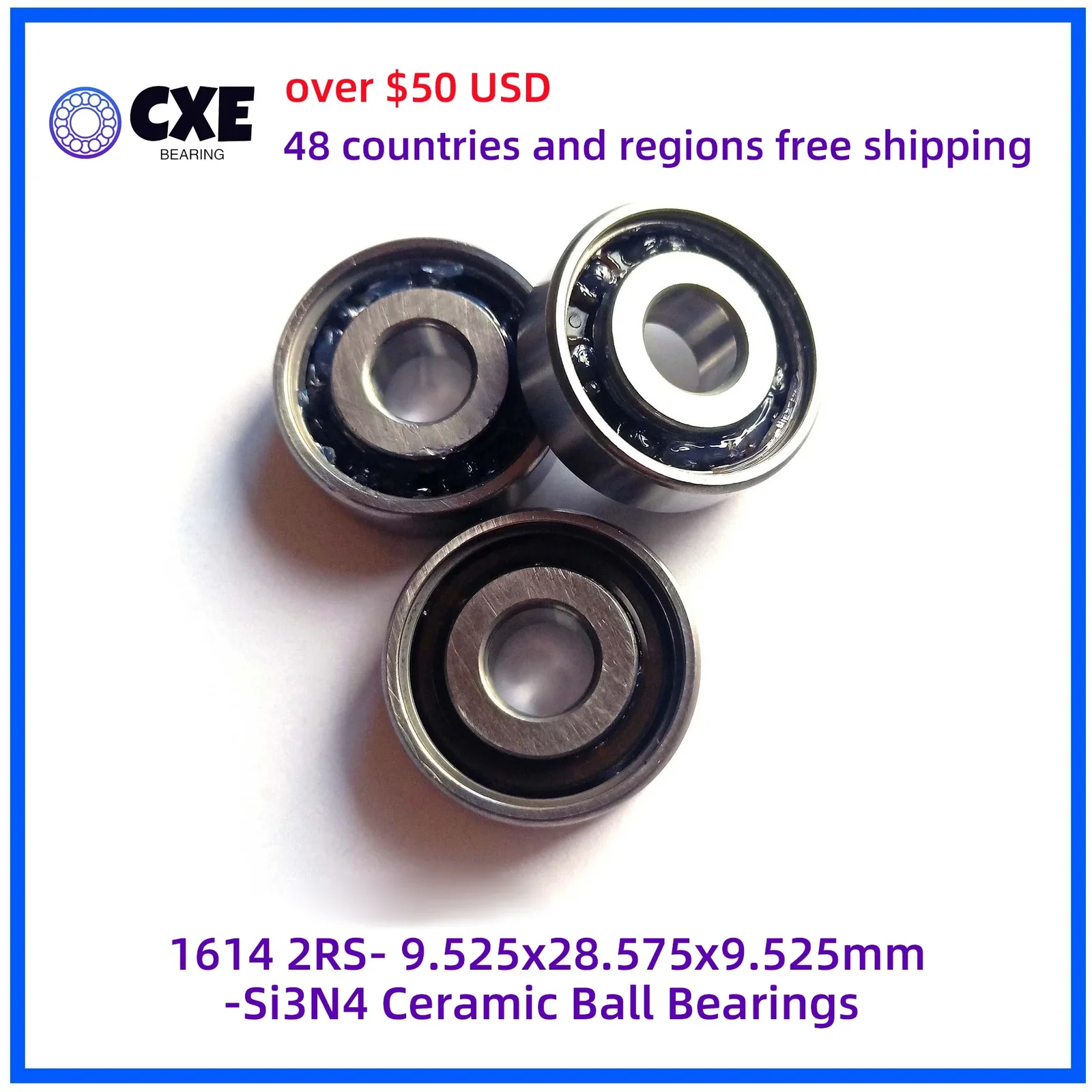 | 1614-2RS 9.525 x 28.575 x 9.525 mm Bearing | 9.525 mm | 28.575 mm | 9.525 mm | Ceramic | 2RS | On request | RFQ |
Related Collection Types
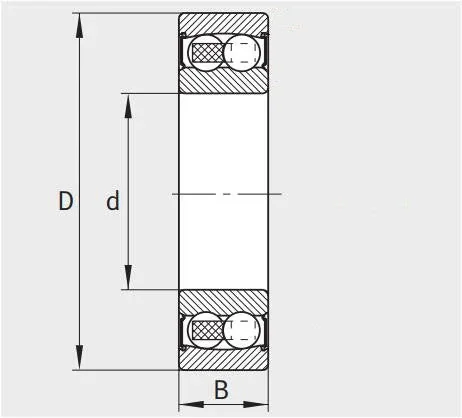
Technical Guide Materials, applications, selection notes, and internal reference links for this collection.
Ceramic bearings are selected when a buyer needs a bearing material or rolling element option that can help with speed potential, corrosion resistance, electrical insulation, low friction, or special operating environments. The correct choice depends on whether the bearing is full ceramic, hybrid ceramic, or a steel bearing using ceramic balls. These options are not interchangeable, so the RFQ should describe the application before the material is finalized.
Use this collection as a starting point for ceramic bearing requests, then compare related CXE Bearing categories such as hybrid ceramic bearings, stainless steel bearings, deep groove ball bearings, and miniature bearings when the same size may be available in more than one material route.
Full Ceramic vs Hybrid Ceramic Bearings
A full ceramic bearing uses ceramic material for the rings and rolling elements. It is usually reviewed for corrosion resistance, non-magnetic or electrically insulating needs, chemical exposure, or applications where steel rings are not suitable. The cage material, ball material, and environment still matter, especially when the bearing sees impact, poor alignment, or contamination.
A hybrid ceramic bearing normally uses steel rings with ceramic balls. It is often reviewed where a buyer wants lower rolling mass, reduced electrical current risk, or improved behavior at higher speeds compared with a conventional steel-ball design. Hybrid ceramic bearings still rely on the ring material, lubricant, fit, and mounting accuracy, so they should not be described only by the ball material.
Selection Points for Buyers
| Question | Why it matters |
|---|---|
| Full ceramic or hybrid ceramic? | The ring material changes load behavior, corrosion resistance, mounting sensitivity, and cost. |
| What is the bearing size and type? | The same material choice can behave differently in miniature, deep groove, angular contact, and specialty bearings. |
| Is electrical insulation required? | Hybrid ceramic balls may help reduce current path through rolling contact, but the whole machine design still needs review. |
| Is corrosion the main reason? | Full ceramic, stainless, plastic, or coated options may all be reviewed depending on exposure. |
| Is speed the main reason? | Speed depends on bearing design, lubricant, cage, preload, fit, temperature trend, and balance of the rotating assembly. |
Application Areas
Ceramic bearings are often considered in high-speed motors, dental or medical devices, precision instruments, chemical handling equipment, food or washdown-adjacent machinery, hobby and sports equipment, and electrical motor applications where current passage through the bearing is a concern. The same word “ceramic” can cover very different designs, so it is important to confirm the bearing family as well as the material.
For smaller sizes, compare the target ceramic bearing with miniature bearings and standard deep groove ball bearings before assuming the ceramic option is required. For wet or corrosive environments, also compare stainless steel bearings so the buyer can decide whether corrosion resistance, running accuracy, cost, or availability is the main priority.
Limits and Common Mistakes
Ceramic bearings should not be selected only because they sound faster or more advanced. A poor fit, excessive preload, unsuitable lubricant, contaminated environment, or weak shaft support can damage a ceramic or hybrid bearing just as it can damage a steel bearing. Avoid using a ceramic bearing as a quick fix for heat, noise, vibration, or repeated failure until the root cause has been checked.
Another common mistake is ignoring shock load and misalignment. Some ceramic bearing designs can be sensitive to impact or uneven mounting stress. If the machine position sees hammering load, heavy contamination, shaft bending, or frequent installation damage, that should be stated clearly in the RFQ.
RFQ Information to Send
Send the bearing model or bore x outside diameter x width, desired ceramic type, ring material, ball material, cage material if known, seal or open style, speed range, load direction, lubrication method, operating environment, and reason for changing from the current bearing. Photos of the old bearing, mounting position, and failure surface help CXE Bearing review whether ceramic, hybrid ceramic, stainless steel, or another bearing route is the better fit.
RFQ Guidance
Use the product table below to compare available CXE Bearing ceramic-related items. If the application needs electrical isolation, corrosion resistance, or speed review, include that priority in the request instead of sending only the bearing number.