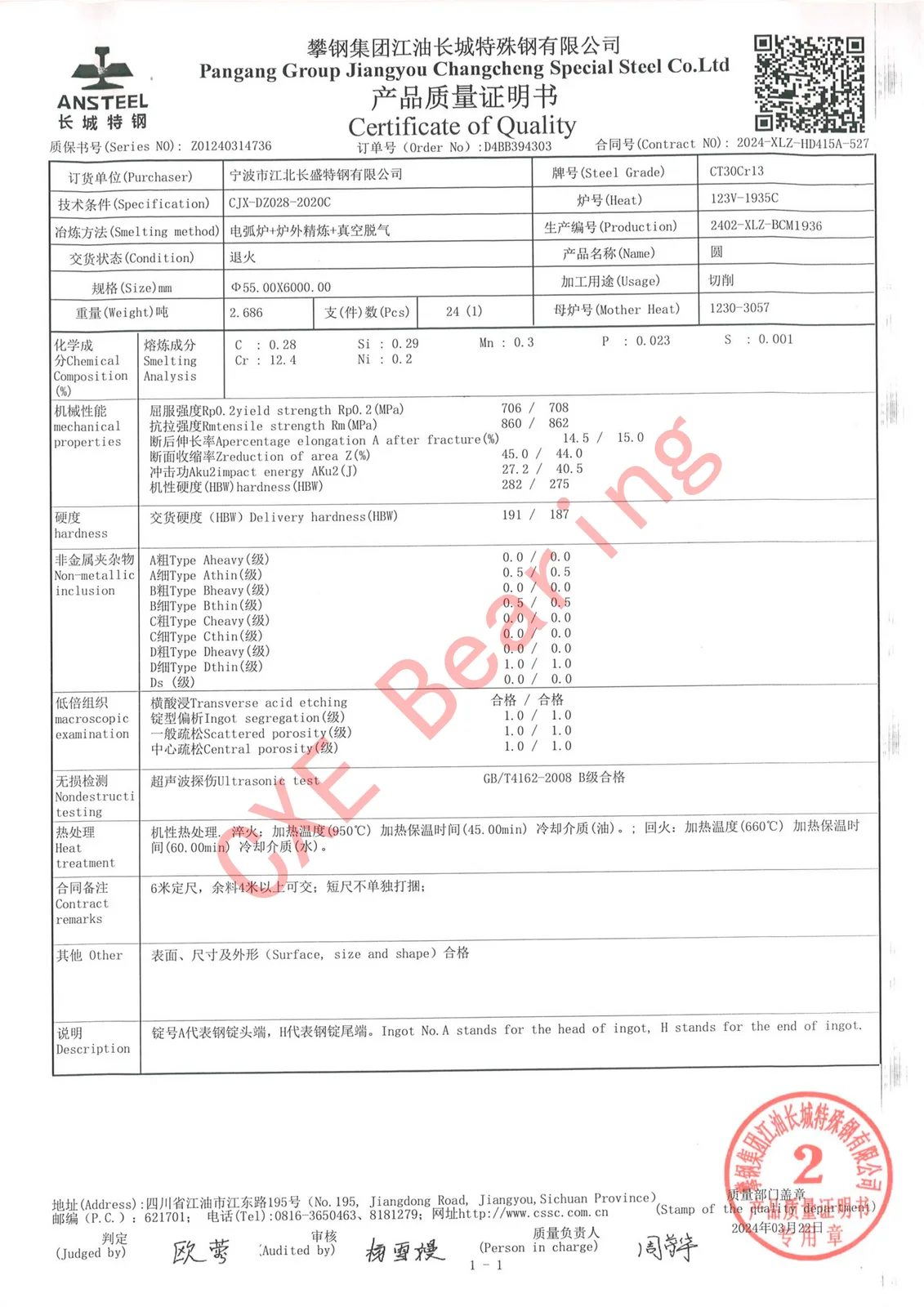
AISI 420 stainless steel is often considered when a bearing needs better corrosion resistance than ordinary chrome steel while still keeping the hardness and wear behavior expected from a martensitic stainless bearing grade. This page is a buyer-facing material note for comparing AISI 420 with other stainless bearing options before confirming the final bearing model, seal, clearance, lubrication, and operating environment.
Where AISI 420 Fits in Bearing Selection
AISI 420 belongs to the martensitic stainless steel family. In bearing use, the important point is not only the word “stainless”. Buyers should also confirm whether the grade can be heat treated to the hardness required for bearing rings and rolling elements, whether the corrosion exposure is light or severe, and whether the application needs a standard bearing form or a special material review.
AISI 420 can be a practical choice for bearing applications where moisture, mild washdown, or occasional corrosion exposure is present, but where the application still needs mechanical strength and wear resistance. It is commonly reviewed for stainless ball bearings, small motor bearings, food equipment components that do not face aggressive chemicals, packaging machinery, light-duty wet areas, and general equipment where chrome steel may rust too quickly.
What Buyers Should Confirm
The grade alone does not define the final bearing. A purchase review should also include the bearing number, bore, outside diameter, width, seal or shield type, clearance class, grease requirement, speed, load direction, and expected cleaning or corrosion exposure. If the bearing will see salt spray, chemical washdown, high temperature, or continuous liquid contact, AISI 420 may not be the best stainless option and another grade should be reviewed.
| Selection point | Why it matters |
|---|---|
| Bearing model and dimensions | Confirms interchange and avoids replacing only by material name. |
| Seal or shield type | Affects contamination control, drag, grease retention, and cleaning resistance. |
| Load and speed | Helps check whether the stainless option is suitable for the duty cycle. |
| Corrosion environment | Separates light moisture service from aggressive chemical or marine exposure. |
| Lubrication | Stainless material does not remove the need for correct grease or oil. |
Related CXE Bearing Pages
For material comparison and product browsing, review AISI 420 stainless bearings, stainless steel bearings, and AISI 440C stainless bearings. These pages help narrow the material path before model-level confirmation.
RFQ Details to Prepare
When sending an inquiry, include the bearing number or measured dimensions, expected load, rpm, temperature, moisture or washdown condition, seal preference, and any failed sample photos. CXE Bearing can then compare whether AISI 420 is suitable or whether a different stainless grade, seal design, or bearing family should be reviewed.