
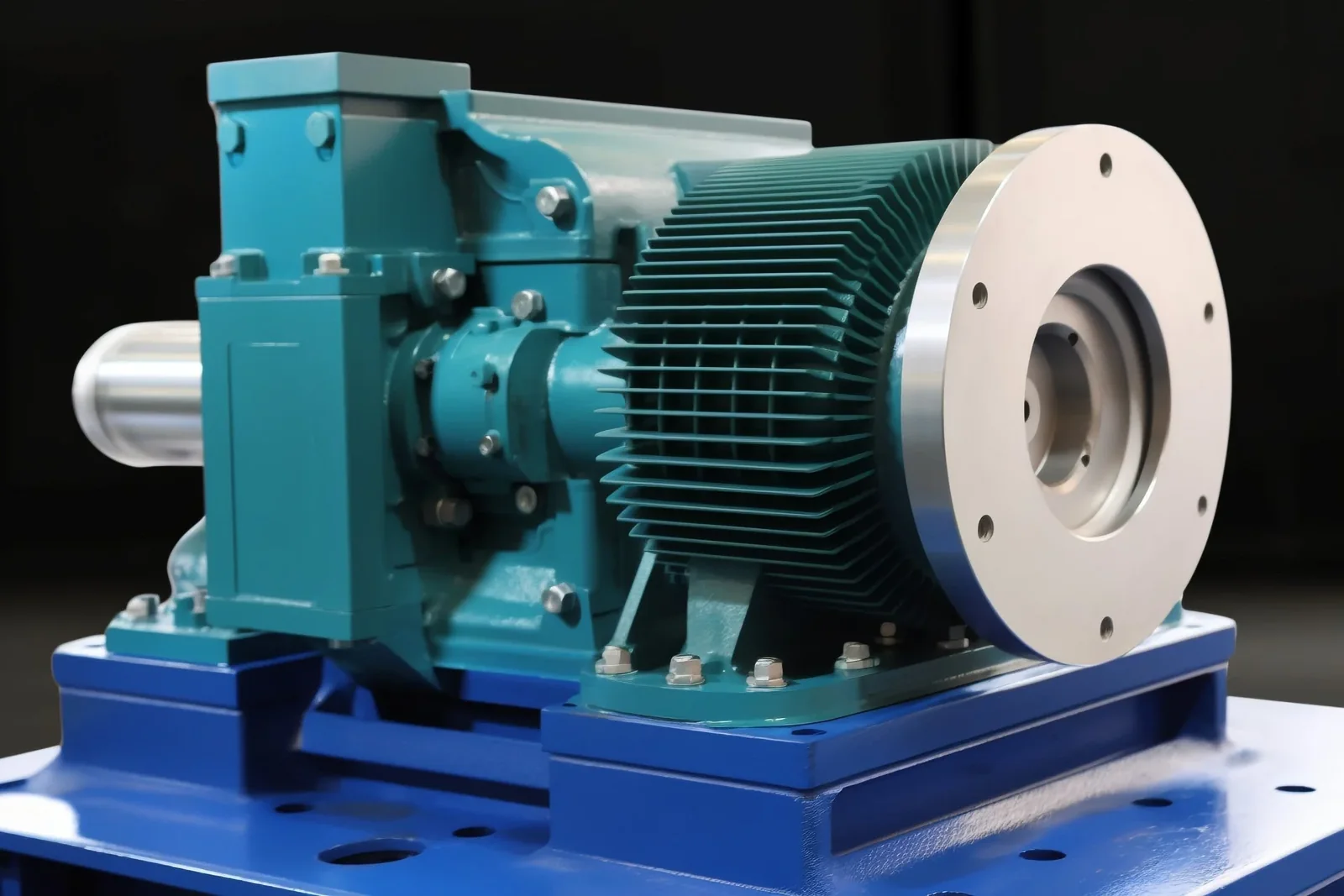
Centrifugal pump bearing selection starts with the duty point, not with a catalog number. A pump that runs clean water at moderate speed can often use standard rolling bearings, while a large process pump with high power, high shaft speed, heat, or continuous duty may require a different bearing arrangement and a more controlled lubrication system.
For pump bearing sourcing, compare this guide with CXE Bearing collections for GCR15 deep groove ball bearings, single row angular contact ball bearings, and stainless steel roller bearings. The right choice depends on radial load, axial load, speed, temperature, seal drag, lubrication method, and the condition of the shaft and housing.
Quick Selection Answer
Use rolling bearings when the pump operates at moderate speed and load, the bearing position can be sealed and lubricated reliably, and replacement simplicity matters. Consider sliding bearings or a special bearing arrangement when speed, power, heat, or continuous-duty requirements exceed what a standard rolling bearing set can handle. Always confirm the final bearing arrangement against the pump OEM design, maintenance history, and actual operating data.
Rolling Bearings vs. Sliding Bearings in Pump Service
Rolling bearings are common in many centrifugal pumps because they are compact, efficient, widely available, and easier to replace during maintenance. Deep groove ball bearings often support radial load, while angular contact ball bearings or paired arrangements may be used where axial thrust is significant.
Sliding bearings are more common in larger or more demanding process pumps. They can support heavy loads and high-speed shaft systems when lubrication, cooling, oil condition, and alignment are tightly controlled. They are not usually a simple drop-in replacement for a rolling bearing design.
| Selection point | Rolling bearing is usually practical when | Sliding bearing may be considered when |
|---|---|---|
| Pump size | Small to medium pump frame | Large process or heavy-duty pump |
| Speed and power | Moderate speed and power | High shaft speed or high transmitted power |
| Maintenance | Fast replacement is important | Oil system management is already available |
| Lubrication | Grease or simple oil lubrication is suitable | Forced oil, ring oil, or circulating oil is required |
| Failure pattern | Wear, contamination, seal drag, or fit issues can be corrected | Heat, load, or speed exceeds rolling bearing limits |
Data to Collect Before Choosing a Bearing
A bearing supplier can give a better recommendation when the RFQ includes the pump model, bearing number, shaft speed, motor power, impeller orientation, expected radial load, thrust direction, lubrication method, operating temperature, seal type, and failure photos if the pump has been failing repeatedly.
Also collect the old bearing markings, shaft and housing dimensions, fit condition, lubricant type, and whether the pump is horizontal or vertical. A bearing that failed because of contamination, misalignment, soft foot, or over-greasing should not be replaced only by switching to a different material.
Common Pump Bearing Choices
Deep groove ball bearings are often used where the load is mostly radial and axial load is limited. Angular contact ball bearings are useful where thrust must be supported in a controlled direction. Stainless steel bearings may be selected when moisture, washdown, or corrosion is part of the operating environment, but stainless material does not solve overload, bad fits, or poor lubrication.
Roller bearings can be useful where radial load is higher, but the full pump design must support the correct alignment and lubrication. In critical pumps, bearing family changes should be reviewed carefully because a different bearing can change heat generation, stiffness, endplay, and service behavior.
Lubrication and Sealing Checks
Many pump bearing failures are not caused by the bearing family itself. They come from water ingress, wrong grease fill, incompatible lubricant, excessive seal drag, blocked vents, over-tightened housings, misalignment, or heat conducted from the pump end.
Before changing the bearing type, check whether the bearing cavity is clean, whether grease fill is appropriate, whether oil level is correct, and whether the seal arrangement is causing extra friction. If the pump runs hot immediately after startup, inspect lubrication, mounted clearance, seal drag, and alignment before assuming the bearing material is wrong.
Common Mistakes to Avoid
- Choosing only by inside diameter, outside diameter, and width while ignoring load direction.
- Replacing a matched or paired bearing set with a single ordinary bearing.
- Upgrading to stainless steel when the real problem is lubrication or misalignment.
- Using a sealed bearing where heat and speed require a different lubrication approach.
- Ignoring shaft or housing wear during repeated bearing replacement.
- Treating a pump bearing change as an isolated part change instead of a system check.
RFQ Checklist for Pump Bearings
Send the bearing model, pump model, quantity, bearing position, shaft speed, load direction, current failure symptom, seal environment, lubricant, operating temperature, and any photos of the old bearing or housing. If you are replacing a difficult pump bearing, include whether the application is clean water, chemical, washdown, slurry, food processing, marine, or general industrial service.
FAQ
Are rolling bearings always suitable for centrifugal pumps?
No. Rolling bearings are common, but large process pumps, high-speed pumps, or heavily loaded systems may require a different bearing arrangement and lubrication system.
Can stainless steel bearings fix pump corrosion problems?
They can help when moisture or mild corrosion is the real cause. They will not fix overload, misalignment, poor lubrication, or a damaged housing.
Should I change bearing type after repeated failures?
Only after the failure evidence is reviewed. Repeated failures can come from contamination, shaft wear, housing looseness, excess grease, wrong fits, or seal drag.
What should I send for a pump bearing quote?
Send the old bearing number, pump model, shaft speed, application environment, quantity, failure symptoms, and any photos or drawings that confirm the bearing position.