
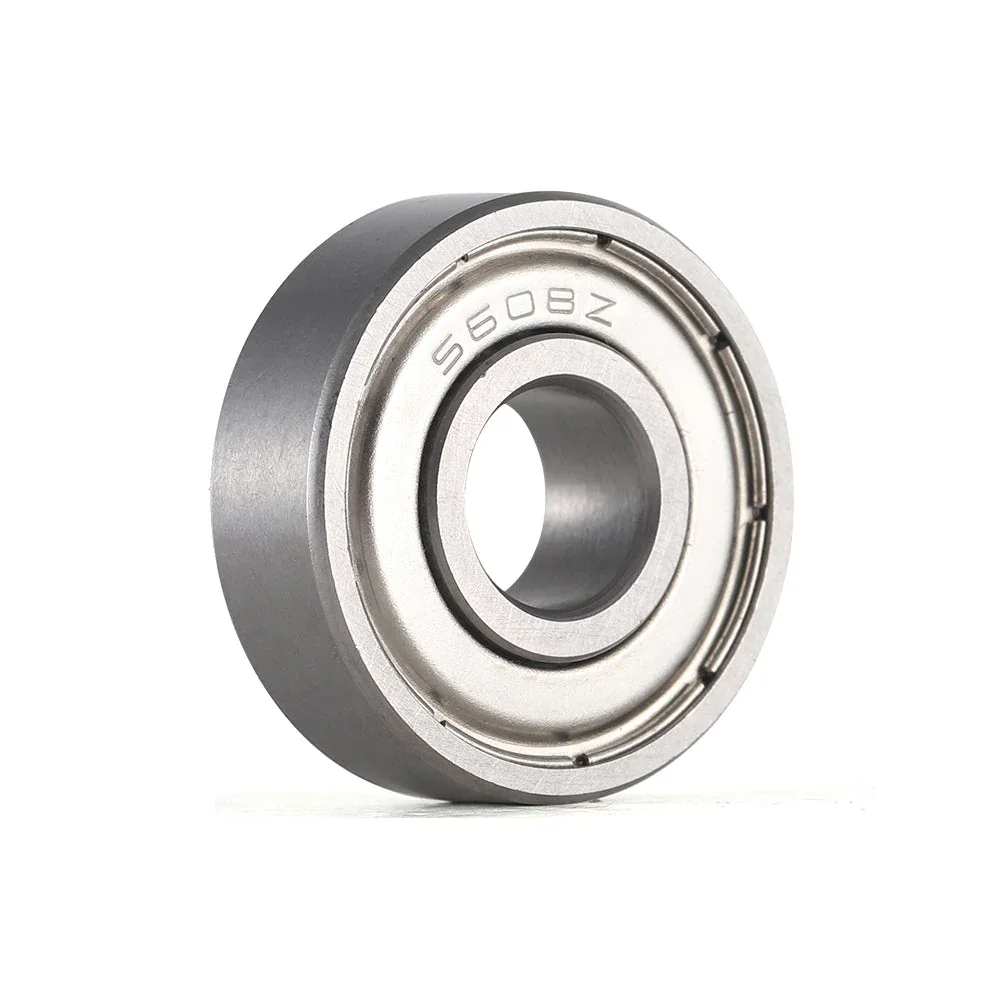
For bearings, 440C is usually chosen when hardness, wear resistance, and dimensional stability matter more than maximum corrosion resistance. 420 stainless steel is also martensitic, but it is often considered when the application needs a more balanced rust-resistance profile and does not require the same wear-duty margin as 440C. Neither grade should be treated as a universal answer for seawater, chemical washdown, or food-equipment exposure without checking the environment, lubricant, seal style, and actual bearing design.
When a buyer is comparing stainless bearing grades, the practical question is not only “which steel resists rust better?” The better RFQ question is: which material gives enough corrosion resistance, hardness, wear behavior, and availability for this operating condition? CXE Bearing can review AISI 440C stainless bearings, AISI 420 stainless bearings, and broader stainless steel bearings when the material choice is part of the selection.
Quick Comparison for Bearing Buyers
| Selection point | 440C stainless steel bearings | 420 stainless steel bearings | Buying note |
|---|---|---|---|
| Main reason to consider it | Higher hardness and wear-duty margin | Balanced martensitic stainless option | Confirm the actual environment before choosing only by grade name. |
| Corrosion behavior | Useful for general corrosion resistance, but localized corrosion can still occur | Often considered where rust resistance is more important than maximum wear duty | For wet or washdown service, also review seals, lubrication, and cleaning chemicals. |
| Wear behavior | Generally stronger for bearing raceway wear | Usually lower wear-duty margin than 440C | Match the material to load, speed, lubrication, and contamination risk. |
| Typical bearing use case | Stainless ball bearings where hardness and wear resistance matter | Stainless bearing applications with lighter duty or different corrosion priorities | Do not replace one grade with the other without checking fit and performance needs. |
| RFQ information to provide | Model, size, seal, lubricant, load, speed, and environment | Model, size, seal, lubricant, load, speed, and environment | Photos and old bearing markings help avoid material assumptions. |
Why 440C and 420 Behave Differently
Both 440C and 420 are martensitic stainless steels, so they are commonly discussed for bearing applications where buyers want a harder stainless option than austenitic stainless grades. Their corrosion resistance depends on alloy chemistry, heat treatment, surface condition, lubrication, and the actual operating media. In bearing use, 440C is often associated with higher hardness and stronger wear performance, while 420 is often discussed as a lower-carbon martensitic option with a different corrosion and hardness balance.
This is why a grade comparison should not stop at a single corrosion statement. A bearing in clean indoor equipment, a bearing exposed to occasional moisture, and a bearing washed with chemicals can all behave differently even if the grade name looks similar on paper.
When 440C Is Usually the Better Starting Point
Consider 440C when the bearing must carry normal bearing contact stresses, resist wear, and keep a stable rolling surface while still offering stainless corrosion resistance for a moderate environment. It is a common choice for stainless ball bearings, miniature stainless bearings, and applications where chrome steel would rust too easily but the buyer still needs a hardened bearing material.
440C is not a promise that the bearing will ignore moisture, chlorides, or aggressive cleaning fluids. If the application includes washdown, salt exposure, or chemical contact, the RFQ should state those conditions clearly so material, seal, lubricant, and maintenance expectations can be reviewed together.
When 420 May Be Reviewed Instead
420 can be considered when the buyer is comparing martensitic stainless options and the application does not demand the same wear-duty margin normally associated with 440C. It may also appear in projects where rust resistance, cost target, or a legacy material callout needs to be reviewed against the real operating conditions.
The safest approach is to send the old bearing marking, dimensions, working environment, and any corrosion photos. CXE Bearing can then compare the requested grade against the bearing type, seal, cage, lubricant, and use case instead of relying on material name alone.
What to Include in an RFQ
Before requesting a 440C or 420 stainless bearing, include the bearing model or dimensions, seal type, operating speed, load direction, exposure to water or chemicals, lubrication method, and whether the bearing is being replaced because of rust, noise, heat, or wear. If the application is closer to wet food equipment or frequent washdown, also review related stainless options such as AISI 316 stainless steel bearings before treating 440C or 420 as the final material.